


Fading Stars and Fierce Sons: The Enduring Battle for Legacy, From Philadelphia to Peshawar
POLICY WIRE — Washington, D.C. — Even the most enshrined among us — the untouchable, the truly elite, those whose very names echo across generations — eventually confront an unsettling reality: the...

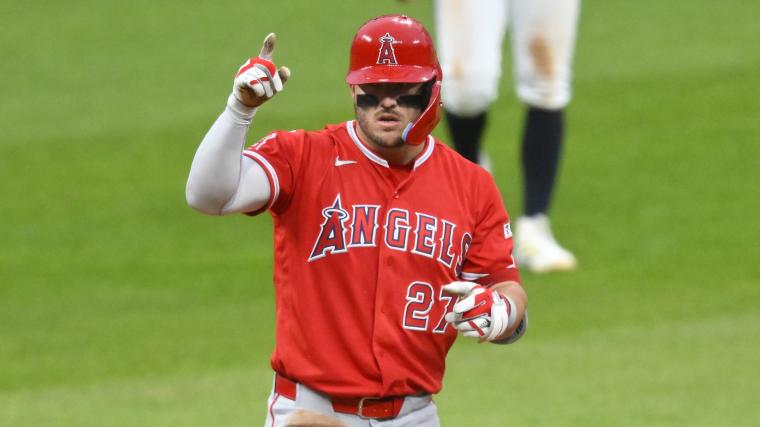
POLICY WIRE — Washington, D.C. — Even the most enshrined among us — the untouchable, the truly elite, those whose very names echo across generations — eventually confront an unsettling reality: the relentless march of time. This week, as Los Angeles Angels outfielder Mike Trout stepped onto the field for his 12th MLB All-Star Game, it wasn’t just about another showcase for a generational talent. No, it was a quiet, almost melancholic, reminder of past glories, recent struggles, and the very immediate challenge posed by his own progeny.
It sounds dramatic, but think about it. Here’s a man who’s logged more seasons in baseball than many nations have stable governments, only to find his harshest critic living under his own roof. The setting, Citizens Bank Park, a mere 45 minutes from his childhood home, should have been pure triumph. A homecoming, they called it. And it was, in a way — a familial one, yes, because it offered a first opportunity to show off his All-Star status to his two young sons, Beckham and Jordy. Trout himself, perhaps grasping for the significance beyond the cheers, stated, It (means) everything. I’m enjoying it. My kids are … my whole family. Philadelphia is a special place. [QUOTE_PLACEHOLDER]
But the narrative shifts, doesn’t it? The true revelation, the one that makes you pause, arrived from a six-year-old. Young Beckham, asked if he would grow into a better player than his dad, didn’t equivocate. Yes. Just a single word. Unfazed. Definitive. This wasn’t just youthful bravado; it was a policy statement, a bold declaration against the seemingly unassailable records of an elder statesman. It’s the kind of confidence, that unshakeable belief in surpassing giants, that drives aspiration in all fields—whether in American baseball or in a remote South Asian village where a young cricketer dreams of bowling faster than Shaheen Afridi.
And those records, Trout’s aren’t exactly crumbling under self-doubt. He stands as No. 2 on the active home run list with 422. It’s a remarkable tally. But despite these towering numbers, the nagging injuries are mounting. From 2021-25, Trout played in just 396 games, averaging about 79 games during that stretch. For a professional athlete, that’s akin to a major corporation announcing stagnant quarterly earnings – a consistent underperformance that makes investors, or in this case, fans and analysts, a tad twitchy. He managed to play in the midsummer classic after recovering from a hamstring strain in Mid-June, an almost heroic effort to remain relevant.
But he didn’t exactly set the world alight this time. During Tuesday’s 96th edition of the MLB All-Star Game, Trout went 0-for-3 before being replaced by Ceddanne Rafaela. It’s a stark reminder that even a chosen one can have an off-day, especially when facing fresh talent like Philadelphia Phillies starting pitcher Cristopher Sanchez. Trout had anticipated a different type of challenge. He’s one of the best pitcher in the league. He doesn’t leave anything in the middle. He knows how to pitch. Sanchez proved that, striking out Trout on six pitches, the finale coming on a whiffed 87-mph changeup.
Consider the larger picture, beyond the diamonds of Pennsylvania. In Pakistan, a nation where sporting heroes are revered with an almost spiritual fervor, the conversation around aging athletes, like those in their late 30s or early 40s in their national cricket squad, isn’t dissimilar. The pressure to maintain peak performance, the fight against the physical toll, and the emergence of younger, hungrier talents — it’s a universal drama. Policy-makers and sports federations in Islamabad or Karachi contend with questions of talent development, sports medicine investment, and securing legacies much the same way MLB scouts track prospect pipelines or the Angels Front Office plans for post-Trout eras.
Because that’s what this truly represents: the cycle of legacy. How do you honor past achievements while embracing the inevitable future? How do you keep the fan base engaged when the stalwarts begin to show cracks? These aren’t just sports questions; they’re questions about economic sustainability, public morale, and national identity – especially in nations where sports success can act as a crucial soft power tool, much like how the prowess of players influences the global valuation of an athletic achievement.
What This Means
Trout’s All-Star appearance, while a personal milestone for a player nearing the twilight of an extraordinary career, mirrors broader socio-economic and political challenges that ripple across different cultural contexts. For governments, managing iconic figures – be they athletes, artists, or public servants – often involves a delicate balance of celebrating history while investing in the future. The sheer economic machinery built around professional sports necessitates a constant flow of fresh talent, lest viewership wane and sponsorships dry up.
In Pakistan, for instance, cricket isn’t merely a game; it’s an industry, a national passion, — and a diplomatic asset. The careful curation of emerging players, often from humble backgrounds, reflects a nationwide effort to maintain international relevance and provide pathways to socio-economic mobility. If a promising young talent faces persistent injury setbacks or gets overshadowed by a younger, bolder star – just like Trout’s own son proclaiming his future dominance – it becomes a national conversation. It’s not just about wins and losses; it’s about a multi-billion dollar ecosystem, from broadcast rights to merchandising, that hangs on the promise of perpetual athletic greatness, always chasing that next icon who might transcend his predecessor.