

As Lindy’s Dust Settles, Albuquerque Faces Priceless Loss Amid Legal Battles and Ghostly Memories
POLICY WIRE — Albuquerque, N.M. — It’s always the quiet ones, isn’t it? The little diners, the old buildings—they just… disappear. Downtown Albuquerque’s 5th Street, a stretch between Gold and...

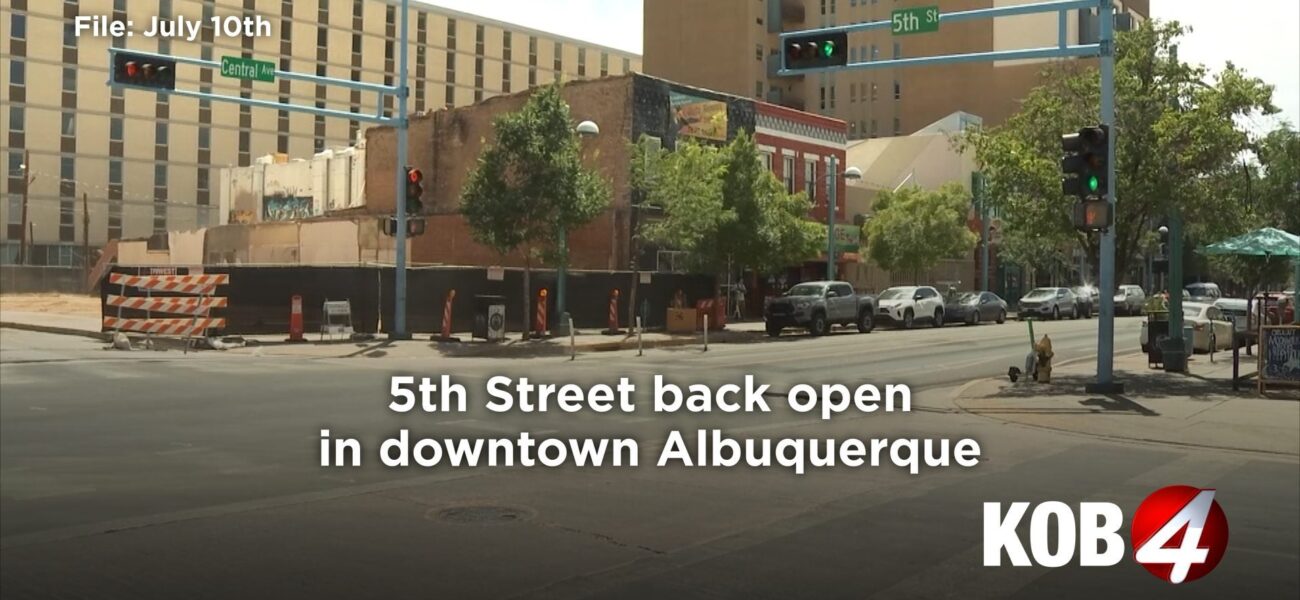
POLICY WIRE — Albuquerque, N.M. — It’s always the quiet ones, isn’t it? The little diners, the old buildings—they just… disappear. Downtown Albuquerque’s 5th Street, a stretch between Gold and Central that’d been barricaded off like a crime scene for months, is open again. You can drive through. But don’t pretend you won’t notice what’s missing. Lindy’s, or what was left of the Bliss Building it called home, is gone. Reduced to rubble, then hauled away, clearing the concrete for commuter cars and a clean, vacant lot that, honestly, feels a little soulless.
This isn’t just about traffic flow returning to normal after a partial building collapse in April. It’s never just about that. No, this story’s got layers. Like the city’s Public Works Department—which, with a flourish that only bureaucracy can manage, declared the demolition ‘on schedule’ and the contractor nearly finished. Almost sounds like a victory parade, doesn’t it? As if losing a piece of local history, however decrepit, was part of some grand plan for ‘efficiency.’
But the ghosts of Lindy’s aren’t settling quietly. And because this is America, where property rights and lawsuits are practically national pastimes, the former owners of the Bliss Building have dragged the city into court. They’re crying foul over the demolition process, amongst other grievances. It’s a classic showdown: public safety vs. private property—a tale as old as urban planning itself, playing out yet again on the dusty streets of New Mexico. The legal wrangling, analysts say, could drag on for years, piling up legal fees for taxpayers.
“We acted in the interest of public safety, full stop,” stated Albuquerque’s Public Works Director, Sarah Chen, in a terse, almost defensive, email to Policy Wire. “Our priority was, and always will be, preventing further harm to citizens and property after the structural compromise. We had a timeline, and we met it, demonstrating responsible governance.” But that’s only one side of the ledger, isn’t it? You can practically hear the lawyers sharpening their pencils on the other end.
Because the building’s former owners aren’t just filing a complaint—they’re alleging unjust seizure, improper demolition, and significant financial damage. “This wasn’t just a building; it was our livelihood, a community landmark,” countered a spokesperson for the Bliss ownership group, Omar Hadid, in a sharply worded statement shared with this desk. “The city acted with undue haste, disregarding our concerns and effectively confiscating our property without due process. We intend to ensure justice is served, regardless of how long it takes.”
Their stance—it’s a potent reminder of the fragility of ownership when confronted by government mandates. We see similar battles unfold worldwide. Consider the heritage preservation efforts—or sometimes, the lack thereof—in ancient cities like Lahore or Karachi. There, bustling markets and colonial-era structures often fall victim to rapid infrastructure development or the ever-hungry maw of ‘modernization.’ Property disputes in these regions, exacerbated by complex land records and rapid urbanization, regularly ignite political firestorms, delaying projects and dislocating communities. While Albuquerque might seem a world away, the core conflict, the raw friction between progress and legacy, it’s pretty universal.
📄 POLICY WIRE WHITEPAPER PUBLISHED: PAKISTAN'S NATIONAL SECURITY POLICY PRIORITIES
👉 READ BY CLICKING HEREThe price of these municipal interventions, especially when contested, isn’t trivial. According to a recent study by the National League of Cities, the average cost of defending against property-related lawsuits stemming from municipal actions—things like demolitions or land disputes—exceeded $150,000 per incident in 2022 for mid-sized U.S. cities, not including any settlement payouts. So, while traffic might flow freely again, the financial drain on city coffers, should the Bliss owners prevail, could be far more disruptive than any street closure ever was. That money comes from somewhere, doesn’t it? (It’s your taxes, in case you were wondering.)
What This Means
This seemingly localized squabble over a downtown diner’s fate in Albuquerque has surprisingly broad implications. For starters, it casts a long shadow over future urban redevelopment initiatives here and in similar cities struggling with aging infrastructure. How do municipalities balance the pressing need for public safety against property rights without triggering expensive, protracted legal battles? If the city loses this lawsuit, it could set a dangerous precedent, making it far riskier for officials to act decisively in future emergencies—which, trust me, isn’t something any mayor wants to contemplate. Developers might also think twice before investing in older, character-rich neighborhoods if the legal landscape becomes too uncertain.
Economically, protracted litigation means uncertainty. It sucks funds from other projects. It might even influence local investment patterns. Politically, Mayor Keller’s administration faces the double-edged sword of being seen as either heavy-handed or indecisive, depending on the lawsuit’s outcome. It’s a tightrope walk, isn’t it? But, you know, that’s local governance for you. Full of big decisions with small, often messy, details that echo long after the dust, both literal and metaphorical, has settled.