


Florida Fleeing Fatality Fuels Fierce Immigration Fray
POLICY WIRE — Miami, USA — It’s a chilling detail that rarely makes primetime: the quiet mechanics of federal immigration enforcement playing out in mundane Florida landscapes. Yet, in the arid...

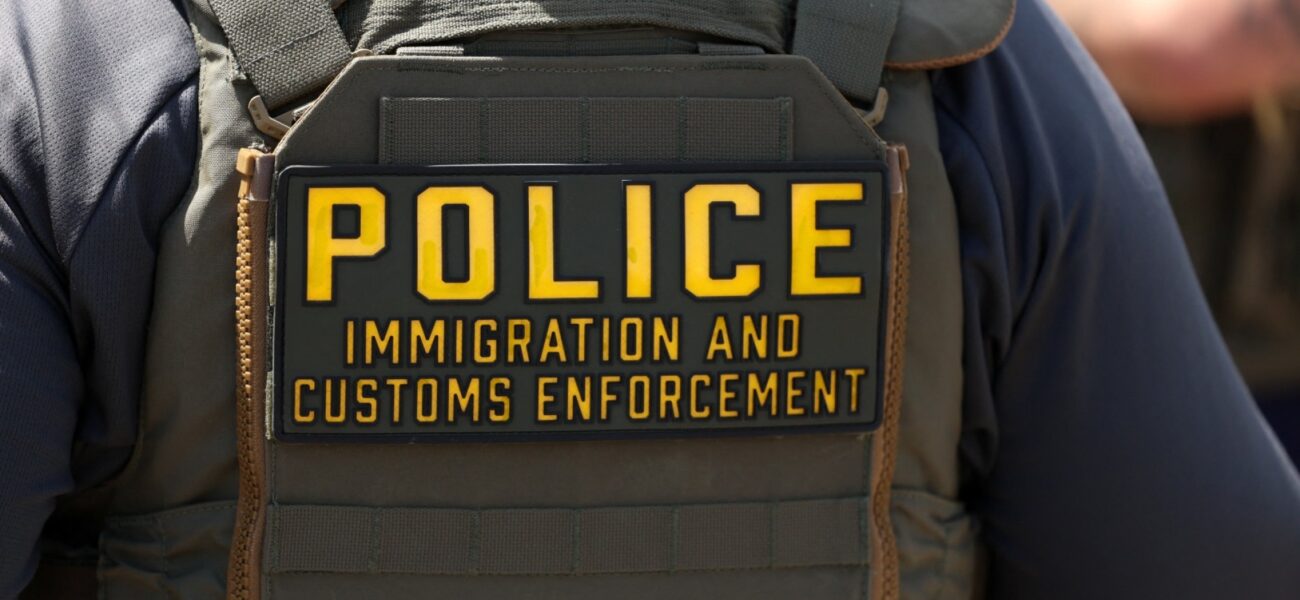
POLICY WIRE — Miami, USA — It’s a chilling detail that rarely makes primetime: the quiet mechanics of federal immigration enforcement playing out in mundane Florida landscapes. Yet, in the arid theater of daily policy implementation, a singular, grim headline emerges: a man met his end while attempting to evade the clutch of U.S. Immigration — and Customs Enforcement (ICE) officers. The news, devoid of flashy pronouncements, cuts straight to the brutal truth of the nation’s increasingly stringent border and interior policies. It’s a stark, unsentimental reminder that these operations, far from abstract bureaucratic maneuvers, ripple outward, leaving in their wake — among other things—deceased individuals.
Details remain sparse, intentionally so in many of these cases. But the core fact, as reported, states simply: a man was killed while fleeing ICE officers in Florida. This isn’t a story of grand political declarations or courtroom drama, but of an instant—a desperate dash, a lethal outcome—that encapsulates a much larger, ongoing struggle. It’s an incident that doesn’t just punctuate a timeline but punctuates lives: the man’s, certainly, and also those of the agents involved, and countless families grappling with an enforcement regime that’s become a cornerstone of American governance. For many, it confirms suspicions about a system that seems to prioritize procedural integrity over human vulnerability. And this sentiment, it’s not confined to US borders.
From the bustling streets of Karachi to the remote villages dotting Punjab, news—often distorted or incomplete—of such incidents filters through diaspora networks. The aspirations of many in countries like Pakistan and other parts of South Asia to seek opportunity in the West, particularly in America, are frequently tempered by grim stories. These narratives, passed down from returnees or circulating on encrypted chat groups, speak to the palpable risks: exploitation by human traffickers, the perilous journeys across continents and oceans, and then, should one reach the perceived safe harbor of the U.S., the relentless and unforgiving machinery of enforcement agencies like ICE. This Florida incident, understated as its reporting may be, will inevitably feed into those global warnings. It’s a bitter counterpoint to the glossy postcards of American promise.
It’s worth noting the scale. According to data compiled by Syracuse University’s Transactional Records Access Clearinghouse (TRAC), ICE arrested approximately 142,500 non-citizens nationwide in fiscal year 2023. Each one of those arrests represents an encounter with a human being, with a history, a family, and, often, a profound desperation to secure a better life. While most of these encounters don’t end in fatality, this single death underscores the inherent risks—to all parties—when high-stakes enforcement collides with flight.
But beyond the immediate tragedy, this fatality re-ignites perennial questions about the efficacy and ethics of ICE operations. Critics point to such outcomes as evidence of an overly aggressive approach, one that escalates dangerous situations and prioritizes capture at any cost. Advocates for stricter enforcement, conversely, often frame these events as the unavoidable consequences of individuals resisting lawful authority, asserting the need for deterrence and border integrity. It’s a conversation—a shouting match, really—that’s been playing out for decades, with human lives frequently caught in the crossfire.
This incident also reflects a broader national preoccupation. Discussions around immigration aren’t just policy debates anymore; they’re entrenched cultural battles. You see it everywhere: local government stances, corporate labor practices, even school board elections. This one event, then, isn’t just an isolated case; it’s another data point in a sprawling, complex tableau. It reminds us how tightly intertwined the individual’s fate can be with overarching geopolitical pressures and domestic political currents.
📄 POLICY WIRE WHITEPAPER PUBLISHED: PAKISTAN'S NATIONAL SECURITY POLICY PRIORITIES
👉 READ BY CLICKING HEREAnd so, in Florida, another life concludes on the margins of an enforcement action. It’s a statistic waiting to be filed, a footnote in the larger saga of America’s perpetually unfinished immigration debate. But it’s also a powerful, unsettling illustration of where abstract policies meet visceral reality. These aren’t just policy outcomes; they’re profoundly human ones. That’s something Washington rarely seems to remember when crafting the next wave of punitive legislation, isn’t it?
What This Means
This tragic incident in Florida carries weight, far beyond the immediate circumstances. Politically, it’s going to be another flashpoint. Opponents of current immigration policies will seize on it, framing it as proof of overzealous, inhumane tactics by ICE. They’ll argue for less aggressive enforcement, more pathways to legal status, and greater accountability for agent actions. We’re likely to see renewed calls from progressive groups — and Democrats for investigations and policy overhauls. Think about the political friction around Bipartisan Brawl topics – this just adds fuel to the fire. On the other side, conservative elements and those advocating for strict border controls will likely dismiss the fatality as an unfortunate but necessary consequence of an individual’s attempt to evade law enforcement. They’ll double down on narratives about securing borders and upholding the rule of law, perhaps even advocating for *more* robust enforcement.
Economically, such events contribute to a climate of fear among undocumented workers, which can drive them further into the shadows. This makes them even more vulnerable to exploitation in various sectors—agriculture, construction, hospitality—where labor is often scarce. The underground economy, unfortunately, thrives on such precarity. When workers are too scared to report abuses or engage with official systems, employers have greater leverage to depress wages and ignore safety standards, creating a market distortion. It also affects immigrant communities’ integration into local economies, with fewer feeling safe to open businesses or invest locally. Internationally, these events aren’t good for America’s brand. They contribute to a perception, especially in developing nations from which many migrants hail, that the [QUOTE_PLACEHOLDER] comes with brutal caveats, potentially influencing decisions around migration and even foreign policy relationships. It’s an economic cost many don’t count.