


Lionesses’ Roar: London Club Ignites Transfer Market With Audacious European Raids
POLICY WIRE — London, UK — Football’s quiet revolution is kicking into overdrive, and it’s got a distinctly London roar about it. Forget the measured steps, the cautious ambition; London...

POLICY WIRE — London, UK — Football’s quiet revolution is kicking into overdrive, and it’s got a distinctly London roar about it. Forget the measured steps, the cautious ambition; London City Lionesses aren’t merely collecting talent – they’re staging a high-stakes heist, audacious and frankly, a bit unsettling for the established continental powers. Their targets? The cream of European women’s football, snapped up with the kind of spending that usually dictates a men’s league. It’s a land grab, a power play, — and everyone’s watching.
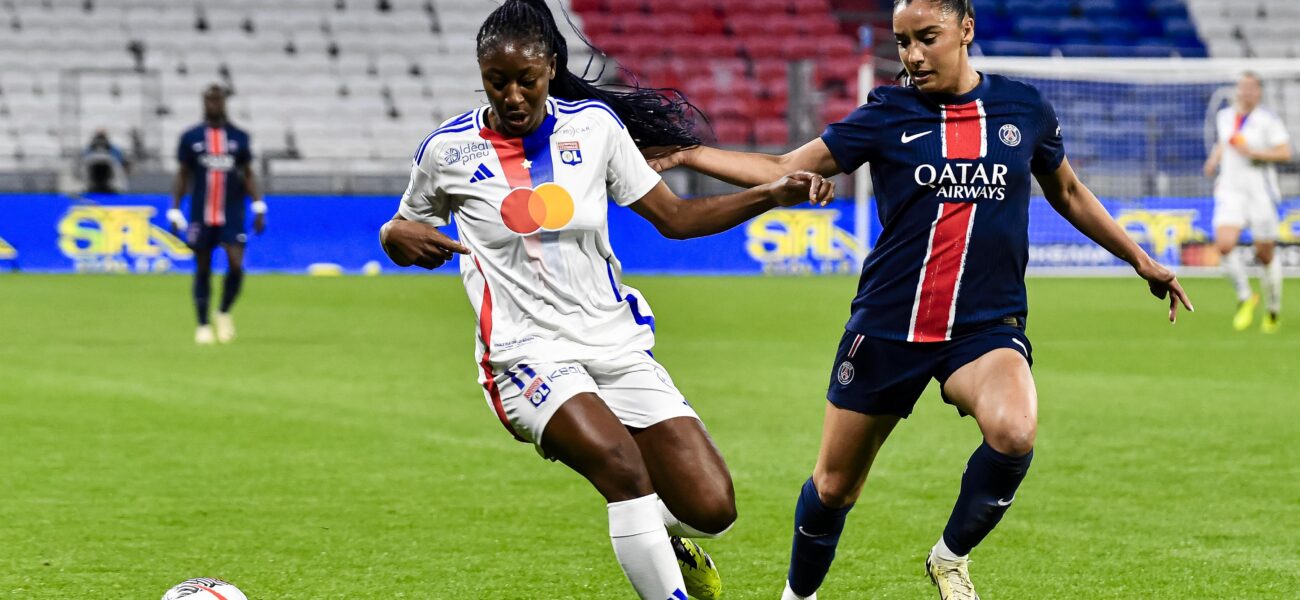
Only weeks after stunning the circuit by poaching Barcelona legends Alexia Putellas and Mapi León—names that carry enough weight to sag a trophy cabinet—the English side appears hungry for more. Much, much more. Because when you’re building an empire, you don’t stop at two queens; you go for the whole court. Whispers turned to outright shouts this morning with Spanish journalist Andrea Peláez Marzo confirming what many had only dared to dream: Kadidiatou Diani, the formidable French striker from Olympique Lyon, is packing her bags for London. She’d reportedly announced her departure from OL Lyon just yesterday, a team long considered untouchable at the zenith of the women’s game.
And that’s the kicker. Diani, a force of nature, still had a year on her contract with the French giants. Her departure isn’t just a transfer; it’s a statement about where the real money — and ambition lie now. Insiders suggest the London club is ready to splash out a fee exceeding £500,000 for her services. It’s not a mere wage adjustment; it’s a market-reshaping sum that forces everyone else to re-evaluate their books. “This isn’t just about winning a league; it’s about a seismic shift in the sport’s economy,” offered sports economist Dr. Ananya Rahman from Karachi University, noting the stark contrast to women’s sports development in parts of South Asia. “While European clubs can pay half a million pounds for a single player, initiatives in places like Pakistan still grapple for basic funding and public recognition.”
But the audacious spree isn’t hitting the brakes there. Rumors—thick and fast like London fog—link yet another French international, Sakina Karchaoui, to Michelle Kang’s rapidly expanding English project. Karchaoui, the tenacious defender from Paris Saint-Germain, is reportedly in their sights despite being under contract until 2028. You’ve got to hand it to them; they’re not afraid to unsettle entire rosters.
“We’re not just building a team; we’re igniting a movement. The world’s noticed, haven’t they?” Michelle Kang, the American owner and apparent orchestrator of this financial onslaught, is reported to have remarked privately. “We believe in the immense, untapped potential of women’s football, and we’re willing to put our resources where our conviction is.” It’s a compelling narrative, really. A relatively lower-tier club, traditionally overshadowed, suddenly brandishing a wallet deep enough to rival the perennial titans. Because if you’re not willing to upset the apple cart, are you truly ambitious?
📄 POLICY WIRE WHITEPAPER PUBLISHED: PAKISTAN'S NATIONAL SECURITY POLICY PRIORITIES
👉 READ BY CLICKING HEREIt’s creating a ripple effect, surely. Other clubs, the so-called sleeping giants, are scrambling. “It changes everything,” confided a seasoned scouting director from a rival Women’s Super League team, requesting anonymity lest he inflame his own club’s hierarchy. “Suddenly, no one’s contract feels secure. And you’ve got to ask, where’s all this cash actually coming from? It’s not just ticket sales, is it?”
What This Means
This aggressive transfer strategy by London City Lionesses isn’t just about bolstering a squad; it’s a direct challenge to the established power dynamics within European women’s football. For years, Olympique Lyon and Barcelona have been the gold standard, often out-muscling rivals for top talent and championships. The Lionesses’ willingness to spend unprecedented sums – making even established powerhouses rethink their economic models – signals a potential leveling of the playing field, albeit one dictated by a burgeoning financial arms race. It also sets a new benchmark for player valuations, potentially increasing salaries across the board, which, while beneficial for athletes, could strain clubs with more traditional financial structures. This economic influx, often driven by external investment, highlights the increasingly globalized and market-driven nature of professional sports, an interesting parallel to similar shifts we’ve observed in regions like South Asia where sports development frequently hinges on patronage and infrastructure funding rather than market-driven valuations.