


Red Sox’s Midsummer Anomaly: Three Stars Emerge from Faltering Empire
POLICY WIRE — Philadelphia, Pennsylvania — America is twenty-six months into its quarter-millennium birthday bash, and what better way to punctuate the celebration than with its preferred pastime?...

POLICY WIRE — Philadelphia, Pennsylvania — America is twenty-six months into its quarter-millennium birthday bash, and what better way to punctuate the celebration than with its preferred pastime? We’re not talking about endless political wrangling, of course, but baseball’s annual midsummer break—the All-Star Game. This year, it’s found its way to Philadelphia, fittingly. Yet, beneath the veneer of celebratory bunting and perfectly manicured infields, an uncomfortable truth persists: the pageantry often obscures as much as it illuminates.
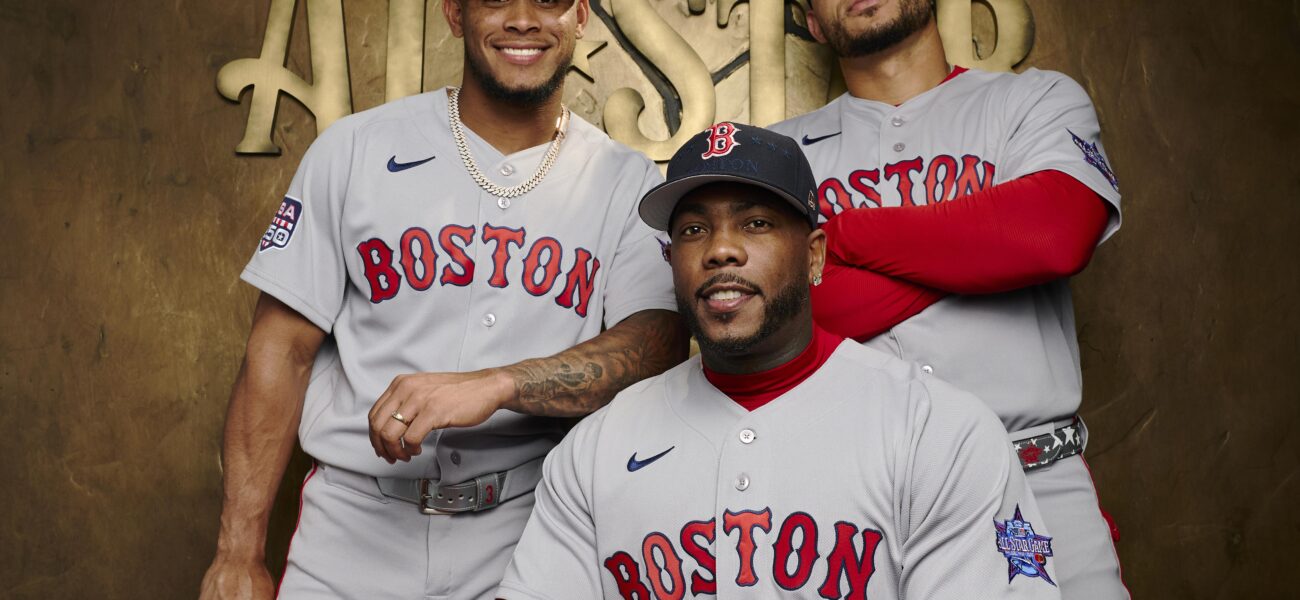
For the Boston Red Sox, that truth bites hard. A team grappling with what polite analysts call a ‘rebuilding year’ (others might use stronger language), has, against most odds, managed to send three distinct faces to the national stage. Willson Contreras behind the plate, Ceddanne Rafaela patrolling the outfield, and Aroldis Chapman—the flame-throwing, if sometimes volatile, closer—all donning the AL uniform. Ranger Suarez, another deserving candidate, is sidelined. It’s an anomaly, a bizarre counterpoint to a season that’s mostly been a study in underperformance, the kind of headline the Fenway faithful certainly weren’t expecting.
Because, let’s be frank, Boston’s season has been anything but classic. As of the break, the team’s record stands at a frankly depressing 42-50, marking their worst mid-season showing since the tumultuous 2012 campaign, according to an unofficial count of local sportswriters. It leaves you scratching your head, doesn’t it? How can three players ascend to such individual recognition when the collective enterprise flounders? It speaks, perhaps, to the unique isolation of talent in modern sports—or maybe, just maybe, it’s a quiet rebuke to the team’s front office from the league’s player ballot.
“You fight every single day, for your guys, for the city,” Contreras, a late addition and vocal leader, told reporters earlier this week, his voice tinged with both pride and what sounded suspiciously like frustration. “This game, it’s an honor. But we’ve got a job to do when I get back to Boston. That’s what matters.” You’ve gotta respect the candor. He isn’t here to pretend the sun shines on the Charles River every day. Nor is Ceddanne Rafaela, a bundle of raw energy — and athletic flashes, sugarcoating anything. “It’s wild, honestly,” he chuckled, adjusting his cap during Monday’s player photo session (Rob Tringali/MLB Photos via Getty Images). “I’m just trying to make plays, help the team. This? It’s different, definitely different. Something to tell the grandkids.” His rise from relative obscurity feels like the kind of gritty narrative Hollywood—or rather, a sports editor on deadline—eats right up.
And then there’s Chapman. The left-hander, who’s defied expectations with a vintage season for the Red Sox after signing a rather low-key deal, remains a puzzle wrapped in a triple-digit fastball. His presence, for some, is less about celebrating stellar performance and more about a calculated gamble that paid off for one struggling organization, while another (cough, New York, cough) looks on, perhaps wistfully. He doesn’t speak much, doesn’t really need to. His pitches speak for themselves, loud — and clear. He’s the anti-hero, really—the kind of mercenary talent every failing state (or franchise) occasionally dreams of.
📄 POLICY WIRE WHITEPAPER PUBLISHED: PAKISTAN'S NATIONAL SECURITY POLICY PRIORITIES
👉 READ BY CLICKING HEREThis grand spectacle—baseball’s brief respite from the regular grind—takes place against a backdrop of complex global currents. While North America focuses on homers and saves, millions across the world are riveted by other sports, other spectacles. Consider the fervor of cricket across the Indo-Pakistani subcontinent. In cities from Lahore to Mumbai, the crack of a cricket bat holds far more cultural currency than a bat-flip in Philly. The passionate loyalties generated by a sport like cricket, sometimes spilling over into political discourse, offer a stark contrast to baseball’s quieter—though still fervent—dominance in its traditional strongholds. But these are global narratives, aren’t they?
Sure, the Red Sox may not be dominating the American League standings, but their individual stars are taking center stage. It’s a bittersweet moment, to be sure. A few bright spots on a dim landscape. The team, as an economic entity, certainly benefits from its players’ presence in such a high-profile event. Increased visibility means increased marketing opportunities, renewed fan engagement—even if only for a night. That’s the commercial alchemy at work. This kind of event offers a temporary diversion, a pleasant reprieve from the broader geopolitical dramas that often captivate global audiences, much like the Thai Hippo Oracle divining World Cup finals becomes a whimsical escape from reality. It offers, too, a simplified narrative for a sports-starved population.
What This Means
The Midsummer Classic, much like any carefully curated national celebration, isn’t just about the game itself; it’s a political instrument. For MLB, it’s about showcasing marketability, attracting sponsors, and reaffirming its place in the national consciousness—even as global viewership ebbs and flows. For a team like the Red Sox, struggling with fan frustration and a bottom-line mentality that can rub its loyalists raw, having three players make the All-Star roster provides a fleeting dose of good PR. It suggests that even amidst operational setbacks—what one might call ‘policy failures’ in a different context—individual excellence can still break through. Think of it as a subtle act of cultural diplomacy. While Boston may be failing on the field, its athletes are still American ambassadors on the global sports stage. It says, ‘Hey, we’re still here, still relevant.’ It’s a kind of soft power, reinforcing the American brand through individual grit and exceptional performance, albeit momentarily. The game’s reach extends, much like U.S. cultural exports, into diverse markets, subtly influencing tastes and perceptions—a far cry from policy papers, yet effective in its own way. But even the allure of three stars can’t mask the underlying economic and strategic issues haunting the Fenway faithful. It’s a good night for them, but come Wednesday morning, the tough questions return, much like the tumultuous calculus of power in other arenas. This momentary triumph of individual talent is really a larger question about an institution trying to maintain its luster.