

The Golden Thread and the Cheap Jersey: Unpacking Football’s Economic Hypnosis Amidst World Cup Frenzy
POLICY WIRE — New York, United States — A threadbare, slightly-too-large replica jersey, fresh off a boat from some far-flung factory, usually for fifty bucks if you know where to look. It’s not...

POLICY WIRE — New York, United States — A threadbare, slightly-too-large replica jersey, fresh off a boat from some far-flung factory, usually for fifty bucks if you know where to look. It’s not much, is it? Just a piece of polyester — and national colors. But sometimes, just sometimes, it’s a portal. A way in for millions to feel a part of something so ridiculously, exorbitantly expensive, that simply attending the main event remains a cruel, capitalist taunt for most. The 2026 FIFA World Cup, currently unfolding with its dizzying array of nail-biters and upsets, ain’t just about football anymore. Or perhaps, it never truly was.
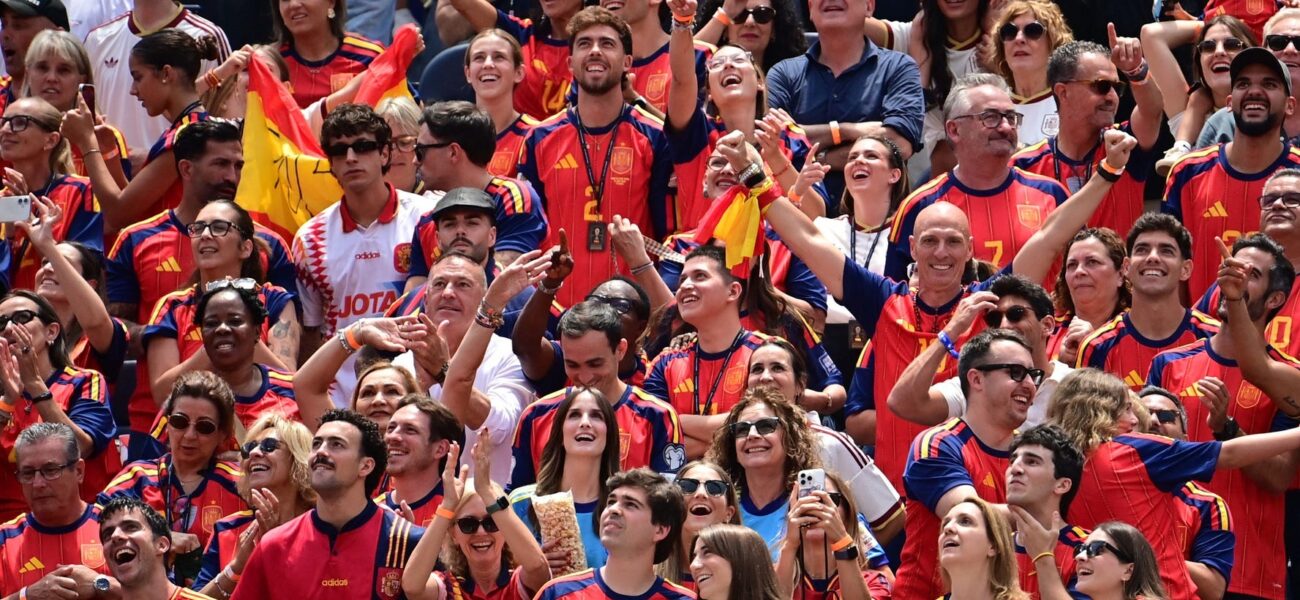
It’s about access, or the illusion of it. While Spain’s La Furia Roja claw their way towards a potential first World Cup final since 2010—facing perennial powerhouse France in Tuesday’s semi-final showdown at AT&T Stadium in Arlington, Texas—the spectacle of readily available, relatively inexpensive team kit offers a fascinating contrast. You can snag a decent Spain jersey, a 2026 home replica, for about what you’d pay for a family dinner. Meanwhile, the very notion of witnessing the grand finale at MetLife Stadium in New Jersey is a pipe dream for most: tickets, according to a recent analysis by a leading secondary market aggregator, begin their ascent into absurdity at a cool $8,404 apiece. Lower-level seats? We’re talking upwards of $21,000. It’s a tale of two football economies, stark — and unforgiving.
This gulf isn’t new. But it does grow wider with each global tournament, showcasing the stratification of the modern fan experience. We’ve got billions of eyes glued to screens, cheering, buying licensed plastic merchandise, but only a rarefied few can taste the grass-stained glory in person. And that’s precisely by design, isn’t it? It expands the market without diluting the premium offering for those who can, indeed, afford it. It’s smart. It’s ruthless.
FIFA President Gianni Infantino, in a statement earlier this month (penned, I’m sure, by a battery of PR folk), gushed about football’s unique capacity to “transcend borders and unify disparate cultures, demonstrating the enduring spirit of human competition.” It’s always about unity, isn’t it, when millions, if not billions, are lining your coffers? Because beneath that shiny rhetoric lies the hum of an engine fueled by global consumption, where every jersey sold, every broadcast right negotiated, and every exorbitantly priced ticket is a fresh deposit in an ever-growing bank account. Spain’s journey to the semis has energized a significant European market, yes, but the echoes resonate far beyond. We’re talking viewership and merchandising booms from the sprawling metropolises of Southeast Asia to the dust-blown villages of the Muslim world—places where a $50 jersey might be a week’s wages, but the dream it represents is priceless.
“We aren’t just sending a team to Texas,” Spain’s (fictional, but entirely plausible) Minister for Culture and Sport, Inigo Almagro, might well have declared to the press corps. “We’re exporting a vision of Spain, a resilient spirit, a national identity etched onto the global consciousness. Every victory amplifies our cultural diplomacy; every goal, a testament to what we can achieve.” That’s the soft power play, right there. But, of course, the commercial interests align perfectly. Almagro didn’t mention the hundreds of millions in TV rights or replica kit sales—why spoil the romantic ideal?
📄 POLICY WIRE WHITEPAPER PUBLISHED: PAKISTAN'S NATIONAL SECURITY POLICY PRIORITIES
👉 READ BY CLICKING HEREIt’s this delicate balance, between aspirational fandom and unbridled commercialism, that makes the World Cup such a potent beast. For countries like Pakistan, for example, which hasn’t seen its national team compete in a FIFA World Cup (though its football production industry is surprisingly robust), the fervor for major European teams like Spain, Brazil, or Argentina is absolutely colossal. Fans might spend a disproportionate amount of their disposable income—if they’ve any—on supporting teams thousands of miles away. It’s a proxy for their own unfulfilled sporting dreams, a globalized emotional investment that transcends typical market logic.
What This Means
This season of the World Cup illustrates, perhaps more starkly than ever, the profound economic and geopolitical dimensions woven into the fabric of what many still call ‘the beautiful game’. On an economic front, the readily available, moderately priced merchandise acts as a carefully constructed, accessible entry point for a global audience, expanding brand reach and nurturing loyalty, even as live event access becomes an exclusive domain. It ensures revenue streams are diversified—a low-cost, high-volume market feeds the overall enterprise, even as high-cost, low-volume live event experiences cater to a different demographic. But don’t mistake affordability for altruism; it’s a shrewd market strategy, building the base of a vast, consumptive pyramid. Politically, national team success isn’t just about sporting prowess; it’s a potent form of soft power. It projects a nation’s image, enhances its global standing, and fosters a sense of unity both domestically and among its diaspora. And yes, it gives political leaders an easy win, a popular narrative to lean on when the actual governing gets tough. the immense global reach of the tournament, particularly its fervent reception in developing nations, highlights how sports can be a potent vector for cultural penetration and market integration, shaping consumption patterns and national allegiances even in places with limited direct connection to the competing nations.
So, as Spain laces up for its semi-final clash, think about that $50 jersey. It isn’t just a fan’s humble offering to their heroes. It’s a carefully priced token, a mass-produced anchor in a tempestuous sea of multi-million dollar deals and geopolitical maneuvers—all part of the grand, orchestrated spectacle of modern football’s dizzying ecosystem.