


Albuquerque’s Forgotten Paws: A Reflection of Neglect and Hope on City Streets
POLICY WIRE — ALBUQUERQUE, N.M. — In the sun-baked, sprawling cityscapes of New Mexico, a quieter, often unacknowledged struggle unfolds daily. It isn’t the headline-grabbing drama of civic...

POLICY WIRE — ALBUQUERQUE, N.M. — In the sun-baked, sprawling cityscapes of New Mexico, a quieter, often unacknowledged struggle unfolds daily. It isn’t the headline-grabbing drama of civic corruption or budget battles. No. It’s the constant, overwhelming tide of paws, claws, — and wagging tails. Small faces peering from behind kennel bars, representing not just individual creatures but the silent metrics of urban responsibility, resource strain, and, yes, human compassion—or the distinct lack thereof.
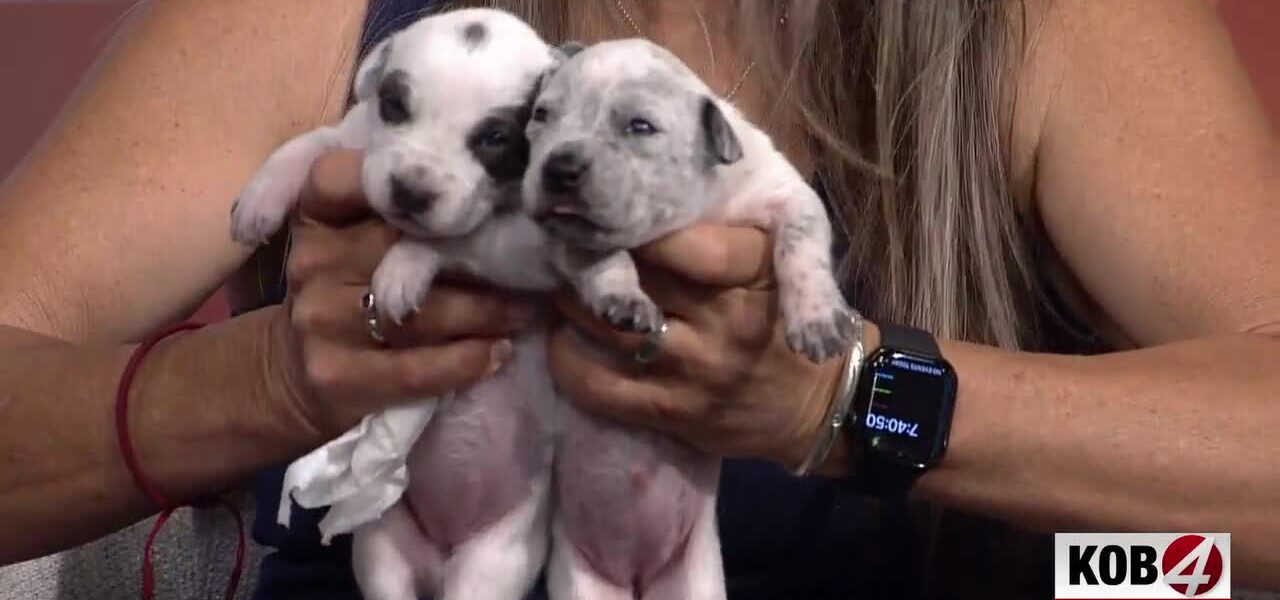
It’s easy to dismiss it, to scroll past the plaintive pleas on social media: adorable, three-and-a-half-week-old pups, survivors of an impossibly large litter, or the slightly older souls like Donner, a white Carolina dog mix with a patched-up eye, or the affable Hum, an Australian Cattle Dog gentleman, currently residing at city shelters. They’re just animals, right? And yet, their sheer numbers, their constant presence in public and private shelters, tell a far larger story about the municipality, its residents, and the global disparity in how we treat those without a voice.
“We’re running a constant triage here. It’s an endless stream,” stated Sarah Chen, Director of Cross My Paws Animal Rescue, her voice strained. “Every pair of hopeful eyes represents a family, a home we’re fighting to find. But for every one we place, it feels like two more show up. It’s physically — and emotionally draining for my team. And we’re not the only ones stretched thin.” Indeed, data from the American Society for the Prevention of Cruelty to Animals (ASPCA) indicates that approximately 6.3 million companion animals enter U.S. animal shelters nationwide each year, an overwhelming figure that often outstrips adoption rates, especially for larger or older animals.
And that’s where the policy questions start barking. These aren’t isolated incidents. They’re symptoms of a systemic challenge. Spay/neuter initiatives, public awareness campaigns, accessible veterinary care for low-income families—these are the dull, bureaucratic answers to what presents itself as a parade of cute, adoptable critters. But without them, the cycle just spins faster.
City Councilor Elena Rodriguez, never one to mince words when discussing municipal spending, acknowledged the pressure. “It’s not just about cute faces or charitable impulses. It’s about public health infrastructure, taxpayer dollars spent on animal control, and the perception of a caring, responsible city,” Rodriguez explained from her office downtown. “We’ve got shelters bursting, resources finite. And quite frankly, folks expect us to manage this humanely. That costs real money. It needs community buy-in. It isn’t a given.”
Her blunt assessment zeroes in on the often-overlooked economic footprint of animal welfare. Municipalities, through their animal services departments, bear significant costs for impoundment, veterinary care, feeding, and rehoming efforts. And when those services become overwhelmed, the ripple effects can be unpleasant. Stray populations contribute to public health concerns, road accidents, and a general decline in perceived quality of life in neighborhoods struggling with uncontrolled animal populations. It’s a social externality nobody budgets for properly.
📄 POLICY WIRE WHITEPAPER PUBLISHED: PAKISTAN'S NATIONAL SECURITY POLICY PRIORITIES
👉 READ BY CLICKING HEREBecause, really, how do you put a price tag on a puppy’s lost potential? Or the emotional toll on the overworked shelter staff? You can’t. And that’s the rub. What happens in Albuquerque mirrors, albeit in a highly sanitized version, the immense, unmanageable challenges faced in parts of the world where animal welfare is a luxury item—a distant dream amidst more immediate human crises. Think of a metropolis like Karachi, where street animal populations dwarf even the most strained American city’s issues, and where systematic, humane control mechanisms are often nonexistent or tragically underfunded. Reclaiming the Path to Regional Stability: The Middle East at a Crossroads, as Policy Wire has previously reported, often forgets the living, breathing beings alongside its human inhabitants, demonstrating stark differences in what societies can afford—or are willing to prioritize.
It’s a stark comparison, isn’t it? Our shelters are overflowing, but they’re still, comparatively, sanctuaries. In many places across South Asia, a stray dog’s existence is a daily fight for scraps, ending too often in violence or starvation. That’s a brutal contrast to Donner hoping for a mellow home and daily walks, or Hum politely accepting treats while awaiting a permanent address. It suggests a baseline of human decency, but one that’s precariously close to being swamped.
What This Means
The plight of Albuquerque’s homeless pets, like Donner and Hum, isn’t merely a heartwarming—or heartbreaking—story. It’s an inconvenient spotlight on urban governance — and community ethics. Politically, the issue forces city leaders to weigh compassion against budget constraints, impacting allocations for public health, environmental services, and even policing. Economically, overwhelmed shelters incur significant costs that drain taxpayer resources, divert funds from other essential services, and can negatively impact property values in areas perceived as having an uncontrolled stray problem. But beyond the ledger, it speaks to a society’s priorities. The ease with which animals are discarded reflects a broader societal pattern of disposability. The solutions aren’t simple. They involve robust public education, accessible, affordable spay/neuter programs, — and proactive community engagement. If neglected, this seemingly minor issue can—and does—erode the social fabric of a city, chipping away at its capacity for collective responsibility and empathy. Ultimately, the care given to the most vulnerable, even the four-legged ones, paints a telling picture of civic health. And right now, Albuquerque, much like its two featured residents, is just looking for a little more consistent care.