
Moscow’s Theater of Summons: Germany’s Envoy Caught in a Stiff European Rewriting
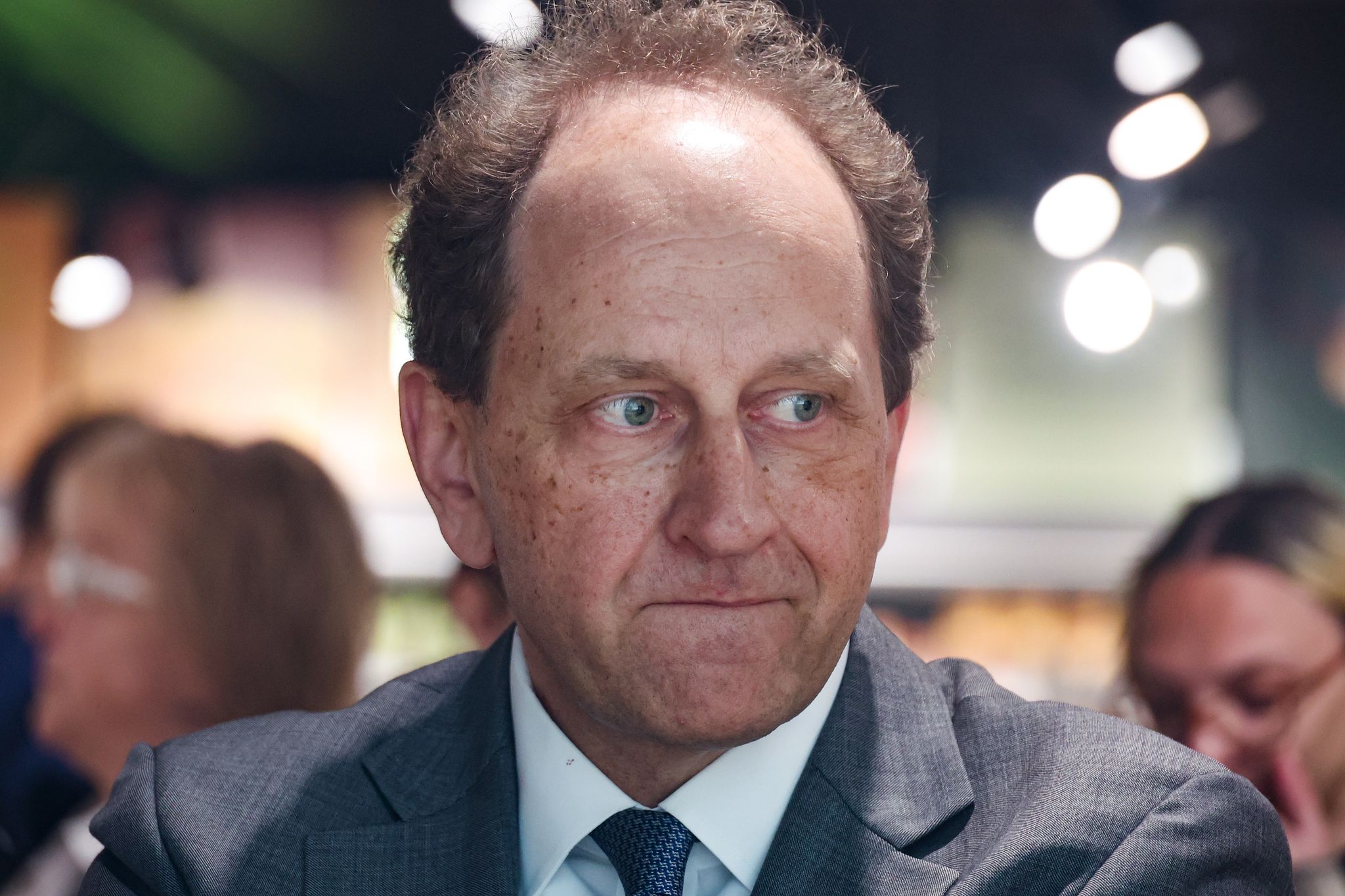
POLICY WIRE — Moscow, Russia — These diplomatic paroxysms, really, are like clockwork. A summons. A stiff-backed ambassador striding into a marble-clad edifice. A thinly veiled threat disguised as...

POLICY WIRE — Moscow, Russia — These diplomatic paroxysms, really, are like clockwork. A summons. A stiff-backed ambassador striding into a marble-clad edifice. A thinly veiled threat disguised as protest. Moscow’s Foreign Ministry recently rolled out this classic routine once more, calling in the German ambassador. It wasn’t exactly a shock, was it? Not for anyone who’s been watching the grim charade that’s Russia-Europe relations since early 2022. It’s less an earth-shattering development — and more a familiar beat in a rhythm that’s grown relentlessly hostile.
Because let’s be honest, we’re way past the point where a terse exchange across an ornate desk could truly alter anything. This isn’t about dialogue anymore; it’s about signaling. And what Moscow’s signaling, to Berlin and to anyone else within earshot, is a defiant, unyielding frustration—a demand for deference it knows it won’t get. It’s a throwback, frankly, to an era of geopolitical arm-wrestling where sheer bluster still packed a punch. But the gloves are off now, — and much of the weight behind those old threats has simply vanished. What’s left is largely performance.
The alleged reason for this latest performance? Germany’s continued, — and indeed escalating, military assistance to Ukraine. Berlin, once timid in defense matters—famously offering just 5,000 helmets in the war’s initial stages—has become one of Kyiv’s most formidable backers. Its pivot, sparked by the aggression in Ukraine, has been astonishing. The Kremlin clearly isn’t amused. Maria Zakharova, Russia’s notoriously acerbic Foreign Ministry spokeswoman, didn’t pull any punches, did she? She quipped to state media, “Germany’s actions aren’t just inflammatory; they’re reckless. They’re playing with fire, — and they seem surprised when it gets hot. We’re simply reminding them of the inevitable consequences.” Harsh, but predictably so.
But the irony, and there’s always a subtle irony with these things, is that Berlin’s transformation is precisely what Moscow *didn’t* want. For decades, German Ostpolitik (eastern policy) aimed to foster ties, especially through energy. Now? Gone. Germany’s economy has largely weaned itself off Russian energy, replacing what was once 55% of its natural gas imports with other sources, according to recent figures from the German Federal Ministry for Economic Affairs and Climate Action. It wasn’t easy, but they did it. And that, more than any ambassadorial reprimand, truly stings Moscow.
Annalena Baerbock, Germany’s Foreign Minister, a Green party politician who cut her teeth in activism before heading the diplomatic corps, isn’t known for shying away from a fight. Her response, while diplomatic in tone, conveyed an absolute refusal to be cowed. “Our support for Ukraine is not merely a strategic choice; it’s a moral imperative,” Baerbock asserted in a recent address. “The Kremlin’s attempts at intimidation betray a deep misunderstanding of European resolve. We won’t be dictated to, and we won’t abandon a sovereign nation under brutal assault.” That’s a long way from helmets, isn’t it?
And these European reverberations, you know, they don’t just stop at the Continent’s edges. Take Pakistan. Far away, but intimately tied to the global churn. Their own economic vulnerabilities mean they feel the bite of geopolitical instability particularly acutely. Rising global energy prices, disrupted food supplies, the unpredictable currents of international alliances — it all compounds the pressure. For Islamabad, navigating these waters requires a delicate balance between traditional partners — and emergent realities. They’ve got their own neighborhood challenges to worry about (think Afghanistan, India), and the distant rumble of the Ukraine war only makes an already complex picture even murkier. Any diplomatic spat between major players can, and often does, ripple across developing nations like Pakistan, often through the prosaic routes of trade, energy markets, and investment flows.
What This Means
This latest diplomatic scuffle, then, isn’t some grand turning point; it’s more like white noise. It confirms what we already knew: Moscow is clinging to an anachronistic vision of its role on the global stage. Politically, it signals Moscow’s exasperation, yes, but also its declining leverage. The power of a Russian summons has diminished proportionally to its shrinking economic ties and increasing international isolation from key Western partners. They’ve pushed Germany into an unprecedented defense posture — and a renewed focus on multilateral security structures.
Economically, Berlin’s steadfast refusal to budge on Ukraine support, coupled with its successful decoupling from Russian energy, has a dual impact. It’s a blueprint, really, for other nations trying to navigate geopolitical pressures without self-inflicting damage. It also underscores Russia’s decreasing ability to use energy as a weapon against the West—a strategy that failed pretty spectacularly. it reinforces the broader geopolitical re-alignment, with states once considered ‘neutral’ or economically entangled with Moscow now firmly in the Western camp. For the Muslim world, especially resource-importing nations, the lasting takeaway is heightened volatility and the need for greater energy independence—a lesson hammered home by Europe’s experience. These aren’t just regional tiffs anymore; they’re lessons for global survival in a fragmented, unforgiving landscape. You’ve got to protect your own.