


Midwestern Maelstrom: How Baseball’s Unassuming NL Central Seized the Trade Deadline’s Lever
POLICY WIRE — New York, USA — Forget the Yankees. Shove aside the Dodgers. For once, the loudmouths in baseball’s big markets aren’t calling all the shots. The silent hand currently...

POLICY WIRE — New York, USA — Forget the Yankees. Shove aside the Dodgers. For once, the loudmouths in baseball’s big markets aren’t calling all the shots. The silent hand currently guiding the serpentine paths of Major League Baseball’s annual trade deadline — that frantic, feverish dance of acquisitions and divestitures — belongs to an unlikely collective: the National League Central Division. It’s a region less known for its swagger and more for its work ethic, a collection of teams now finding themselves with an astonishing, almost unseemly, amount of market leverage. It feels a bit like watching a small, historically less-glamorous nation suddenly hold the balance of power in a geopolitical negotiation; everyone expected Washington or Beijing to decide, but suddenly, it’s Islamabad on the line.
It’s bizarre, frankly. Because usually, it’s the usual suspects setting the market rate for pitching — and power bats. But this year, five clubs, each staring down a different mirror, are creating a domino effect that’s proving surprisingly difficult for the rest of the league to navigate. Milwaukee’s got pennant dreams. Chicago, hot on their heels, needs a nudge. St. Louis and Pittsburgh? They’re hovering, tantalizingly close to contention, making their intentions murkier than the Mississippi after a summer storm. And Cincinnati, well, they’re the designated fire sale, the convenient wellspring of available talent. You don’t often see a division with such divergent, yet equally market-moving, aspirations.
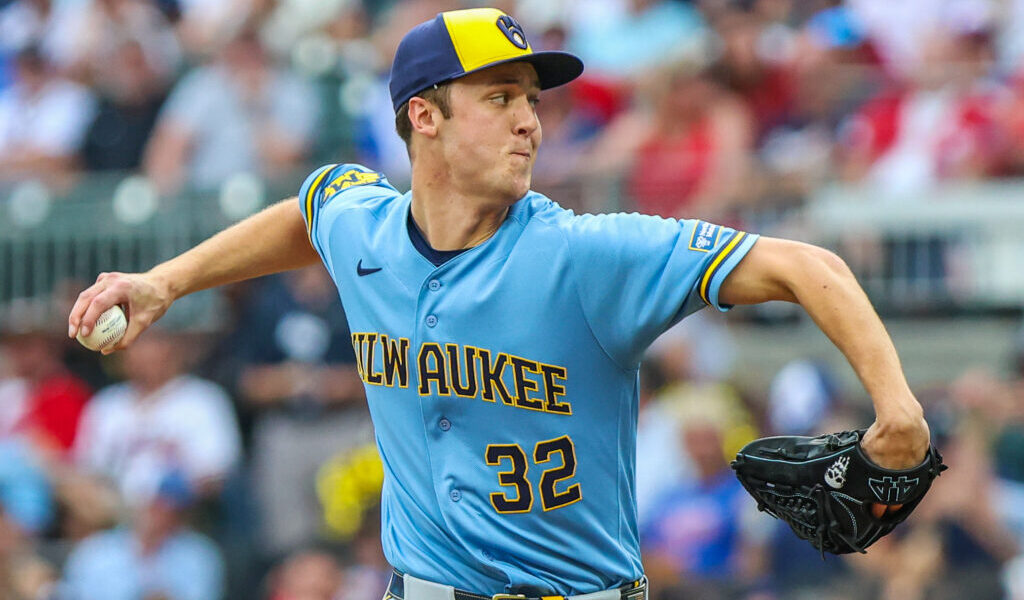
Milwaukee, sitting atop the heap, isn’t just content to make the playoffs. They’re eyeing a deep postseason run, maybe even a ring. They need that extra arm in the bullpen, a high-leverage monster who can shut down an inning like it’s a vault. “We’re not just looking for bodies,” confirmed Brewers General Manager Matt Arnold, in a recent phone interview, his voice tight with purpose. “We’re hunting for difference-makers. Our window’s open wide, — and we’re not going to squander it. We’ve got prospects to move, — and we will.” They don’t typically splurge on the flashiest names, but this roster? It’s begging for one meaningful push. They’ve built up enough farm talent to pay for it, too—a luxury many clubs simply don’t possess.
A few games back, the Chicago Cubs are navigating a trickier tightrope. They’re comfortably in a Wild Card spot, but five games separate them from the Brewers. Their dilemma isn’t whether to buy; it’s how aggressively. Do they push their chips to the middle of the table, daring to challenge Milwaukee directly, or do they play it safe, banking on depth? Anything less than an emphatic declaration of intent could leave their fans feeling, well, underwhelmed. And with whispers of expiring contracts, you’ve got to wonder if a cautious deadline simply won’t cut it this time.
But then it gets truly complicated. Because you’ve got St. Louis and Pittsburgh, two clubs who’ve defied preseason expectations just enough to scramble their front offices’ calculus. The Cardinals are above .500, within shouting distance of a Wild Card berth. Their veteran players are still performing. So, do they gamble, adding a bat or an arm to make a playoff run? Or do they use their appealing pieces—some of their established names are attracting significant interest—to build for a more robust future? It’s a quandary that could make or break seasons. And Pittsburgh, even more surprisingly, finds itself in a similar pickle, over .500 and not nearly the clear seller everyone assumed a month ago. They could buy, they could stand pat, or they could still deal a veteran and spin it as ‘future planning’—it’s a tough call.
📄 POLICY WIRE WHITEPAPER PUBLISHED: PAKISTAN'S NATIONAL SECURITY POLICY PRIORITIES
👉 READ BY CLICKING HEREThat leaves Cincinnati, the lone, unambiguous seller. At the bottom of the division, they’ve got several enticing players other teams covet. This makes the Reds a crucial cog, effectively acting as a direct supplier for many of the would-be buyers—including, potentially, their division rivals. You can bet your bottom dollar Milwaukee — and Chicago will be sniffing around. It’s an internal market pressure cooker, simmering with intrigue. For instance, data from MLB Network suggests that just last season, nearly 60% of all inter-divisional trade deadline moves involved a seller from within the same league. And that number is probably set to climb this year, given the NL Central’s particular circumstances.
What This Means
This concentrated, varied marketplace in the NL Central offers a fascinating microcosm of broader economic and political dynamics. It’s a demonstration of how regional factors, when complex enough, can unexpectedly dictate global trends. Think about a minor producer of a strategic commodity (say, natural gas from an emerging economy) whose collective, disparate needs or surpluses can suddenly shift global pricing. Or consider the geopolitical tightrope walked by nations like Pakistan. It’s a major player in regional stability, often caught between powerful blocs, and its internal struggles and strategic decisions—much like those of St. Louis or Pittsburgh—have ripple effects far beyond its immediate borders. When Gulf LNG giants confront Asia’s waning appetite, for example, the local decisions become globally significant. In this baseball scenario, each NL Central club is essentially a sovereign entity, acting within its own short-term and long-term self-interest. But their decisions are now so intertwined they’re effectively forcing the hands of more powerful, and traditionally more dominant, teams elsewhere. It’s a risk management exercise writ large: navigating scarcity, managing expectations, and deciding when to cash in assets versus investing further. The division, by virtue of its very chaos, has accidentally stumbled into a position of extraordinary, albeit temporary, power, leaving the usual kingmakers scrambling to adjust. It shows how even in a seemingly predictable system, a unique confluence of motivations can—and often does—turn everything on its head.
So, as the calendar inches towards July’s close, don’t just watch what the Dodgers or the Orioles do. Keep a keen eye on the quiet Midwest. That’s where the real market-making happens this year. It’s an absolute headache for some general managers, a goldmine for others, and a pretty wild ride for us watching it all unfold.