


Ion Volleys for Viewers: Women’s Sports, Global Ambitions, and the Relentless Pursuit of Eyeballs
POLICY WIRE — Washington, D.C. — They say sports are a metaphor for life. These days, they’re also a brutal, winner-take-all proxy battle for linear television’s rapidly evaporating...

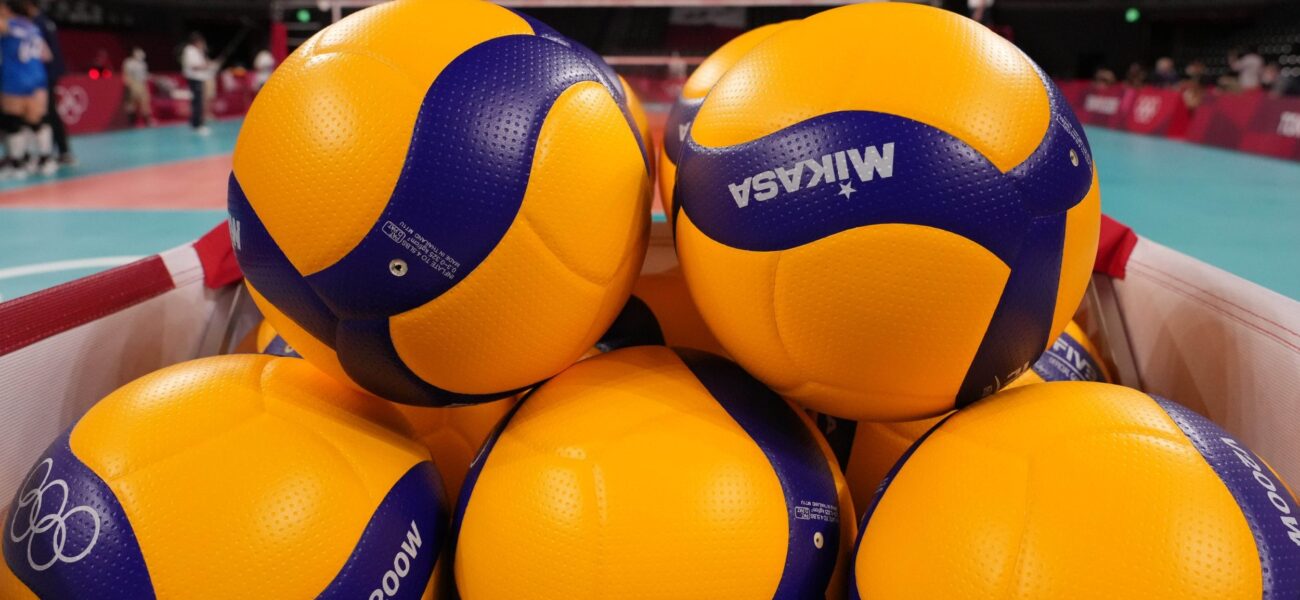
POLICY WIRE — Washington, D.C. — They say sports are a metaphor for life. These days, they’re also a brutal, winner-take-all proxy battle for linear television’s rapidly evaporating relevancy. Scripps’ Ion network, a broadcast workhorse traditionally known for reruns and dusty dramas, is making an audacious play in this shifting landscape: going all-in on women’s sports, with its latest coup being the exclusive U.S. media rights to the 2027 FIVB Women’s Volleyball World Cup.
It’s not just a volley, it’s a strategy. And it speaks volumes about where the money, — and the eyeballs, are headed. You see, while your dad might still be glued to NFL pre-game shows, younger demographics—and advertisers—are charting a different course, particularly towards the fierce, often undervalued, world of female athletics. Ion, bless its scrappy heart, seems to be listening.
The deal, announced with the usual corporate fanfare on Tuesday, means every spike and block of the 64-game, 32-team tournament next August and September will hit American screens. Both English — and Spanish broadcasts, mind you, because diversity isn’t just a buzzword; it’s a market differentiator. The World Cup itself, of course, is no mere exhibition; it’s a direct conduit to the 2028 Summer Olympics in Los Angeles, guaranteeing the top three non-qualified national teams a ticket to the sport’s grandest stage. Suddenly, this seemingly niche acquisition feels a little less niche, doesn’t it?
“This agreement really does represent an unprecedented level of U.S. distribution for the FIVB Women’s Volleyball World Cup,” remarked Craig Thompson, CEO of the 2027 World Cup organizing committee, in his official statement. He’s right, it does. But it’s also a clear signal to everyone in media—those legacy giants clutching their football contracts like holy writ—that the ground is shifting beneath their feet. They’ve gotta adapt, or they’ll get left in the dust.
Ion isn’t just dipping a toe; it’s practically cannonballing into the deep end. The network already airs regular seasons for the WNBA and NWSL, and just inked a deal for the fledgling PWHL (that’s pro women’s hockey, if you weren’t hip). But why now? Well, it’s not rocket science. Viewer interest is spiking. Recent industry reports suggest that viewership for major women’s sporting events jumped by nearly 30% in key demographics over the last three years, proof that the audience is there, just waiting for networks to catch up and give them something to watch. They want to be seen.
But this isn’t just about women finally getting their due, though that’s certainly part of the appeal. It’s about cheap, unexploited inventory. The big money’s already tied up in the established men’s leagues. So, if you’re a broadcast network fighting for relevance, you find undervalued assets. And women’s sports, until quite recently, were practically sitting ducks. This isn’t charity; it’s capitalism at its most cunning. “We’re not just chasing trends; we’re investing in fundamental market shifts,” said Laura Wilson, Chief Content Strategist at Scripps Sports, in a candid exchange. “These aren’t peripheral markets anymore. They’re central to where sports viewership is heading globally. We’d be fools not to be there first.”
📄 POLICY WIRE WHITEPAPER PUBLISHED: PAKISTAN'S NATIONAL SECURITY POLICY PRIORITIES
👉 READ BY CLICKING HEREThe broader implications stretch well beyond American borders. Think about the global interest in volleyball—it’s immense, especially in parts of Asia and Latin America. As networks like Ion secure more and more international content, they inadvertently become players in a subtle game of global influence, extending media reach and soft power. And as nations eye Olympic qualification, the stakes are not just sporting, but often carry national pride, and yes, even economic ripples back home. We’re watching a reshaping of what ‘global sport’ means.
What’s next for the Ion playbook? They’ve also been aggressively expanding their local sports rights portfolio, adding NBA teams like the Detroit Pistons to their roster. It’s a land grab, pure and simple. And with precious little real estate left, they’re being savvy. For a company historically in the shadows, it’s an ambitious gamble, to say the least. But it’s one that could very well pay off, handsomely. Similar calculated gambits are playing out across various sports world cups, each network looking for their edge. Perhaps the lesson here is simple: if you can’t beat ’em, build your own league—or, in this case, broadcast the one everyone else overlooked.
What This Means
The Ion deal isn’t just a sports footnote; it’s a bellwether for media economics — and evolving viewer habits. For broadcasters, it’s an acknowledgment that traditional programming isn’t cutting it and that underserved demographics, particularly women’s sports enthusiasts, represent a significant, undervalued market. This acquisition, coupled with Ion’s other women’s sports ventures, signals a strategic pivot designed to capture eyeballs before streaming giants swallow every available market share. Financially, it’s a shrewd move: acquire premium content at what are still comparatively lower prices than male-dominated sports, yet with exponential growth potential. For athletes, particularly those eyeing the 2028 Olympics, it guarantees unprecedented U.S. exposure, which translates to greater sponsorship opportunities — and increased fan engagement. But more broadly, it suggests a quiet geopolitical shift. Global tournaments, with increasing U.S. broadcast presence, inevitably introduce narratives, cultures, and athletes from diverse nations to a massive audience. Think of the potential for increased engagement in places like Pakistan, where sports narratives often lean heavily male-centric, but a global broadcast could slowly, quietly, broaden horizons and inspire a new generation, regardless of where the specific match is played. It speaks to a larger phenomenon of sports as a tool for cultural soft power and market expansion, a chess game played out on fields and screens worldwide. This deal isn’t just about volleyball; it’s about the relentless hunt for future viewership and the very soul of sports broadcasting itself. And honestly, it’s a hell of a lot more interesting than another rerun.