


Haaland’s Solo Crusade Meets England’s World Cup Ordeal in Miami Quarter-Final
POLICY WIRE — Miami, United States — For some, it’s just another quarter-final; for others, it’s a testament to the raw, sometimes absurd, power of one man. Norway, against all informed...

POLICY WIRE — Miami, United States — For some, it’s just another quarter-final; for others, it’s a testament to the raw, sometimes absurd, power of one man. Norway, against all informed betting, didn’t just show up to the World Cup party; they’ve made themselves utterly insufferable, particularly for a Brazil team now licking its wounds back home. And all of it, virtually single-handedly, thanks to the Nordic juggernaut named Erling Haaland.
England, on the other hand, arrived with the usual pomp and suffocating burden of expectation, dispatching Mexico with a grit that masked some decidedly wobbly moments. But facing Haaland and his — let’s be honest — considerably less star-studded supporting cast on Saturday feels different. It’s a primal scream match. An existential reckoning for the Three Lions. Because you don’t just ‘contain’ Haaland; you pray. You sacrifice. Maybe you hire a very good shaman.
This isn’t merely a football match; it’s a narrative engine firing on all cylinders. Norway’s fairy tale run — climaxing in that seismic 2-1 upset of Brazil in the Round of 16, both goals predictably from Haaland – has redefined their tournament ambitions. They’re no longer plucky underdogs; they’re a force of nature, or at least a force of nature’s most effective striker. England, bless their hearts, battled through to the last eight despite Jarell Quansah earning an early bath against Mexico, a disciplinary misstep that now leaves their backline looking, shall we say, intriguing, with Djed Spence deputizing for the injured Reece James.
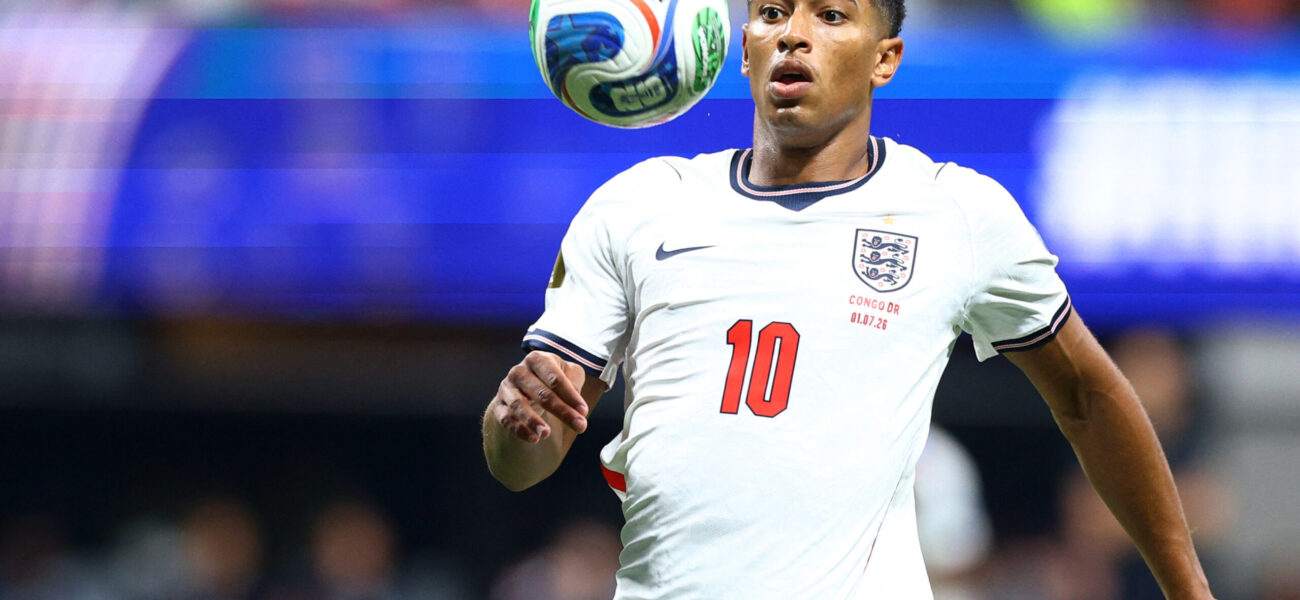
Thomas Tuchel, England’s usually composed tactician, isn’t underestimating the individual brilliance he’s up against. “Look, everyone knows what Erling brings. He’s a phenomenon,” Tuchel told Policy Wire. “But we aren’t changing our philosophy for one player. We have depth; we have character. We have Jude Bellingham, — and we have Harry Kane. It’s a collective effort, always has been.” A typically pragmatic assessment from a man who knows the fine line between genius and chaos.
And indeed, Bellingham’s brace, complementing Kane’s decisive strike against Mexico, proved England isn’t exactly short on firepower itself. The three World Cup co-hosts, incidentally, all found themselves booted out in the previous round—a small mercy for teams trying to dodge those pressure cookers. As for Norway, a nasty bug swept through their camp, but they’re largely back to fighting fit, poised to deploy the same XI that shocked the world last week. Their captain, Martin Ødegaard, orchestrates midfield, while goalkeeper Ørjan Nyland’s heroics, including a penalty save from Bruno Guimarães, proved crucial to their unlikely progression. Don’t underestimate him; keepers win tournaments too.
“We’ve earned every single step here,” affirmed a visibly beaming Lise Klaveness, President of the Norwegian Football Federation. “It’s more than just one player, it’s the heart of this squad, the dedication. We carry the pride of our nation into Miami, — and we don’t intend for this incredible journey to end just yet.”
📄 POLICY WIRE WHITEPAPER PUBLISHED: PAKISTAN'S NATIONAL SECURITY POLICY PRIORITIES
👉 READ BY CLICKING HEREStatistically speaking, the stakes couldn’t be higher for both nations. According to data released by FIFA’s market research division, a quarter-finalist exit costs a national federation an estimated 15-20% in potential prize money and commercial bonuses compared to a semi-final berth – millions that can bolster grassroots programs or upgrade facilities.
What This Means
The clash isn’t just about athletic prowess; it’s a profound cultural touchstone, watched intently far beyond the immediate fan bases. In nations across the Muslim world and South Asia, where the English Premier League, and by extension, its stars like Haaland and Bellingham, command fanatical followings, these World Cup showdowns become events of unifying — or divisive — passion. Imagine Karachi’s bustling cafes or Cairo’s quiet living rooms erupting with each touch, each tackle. The emotional investment from these distant yet devoted audiences highlights football’s unique role as a global connector, an ersatz soft power that transcends politics and economics, if only for 90 minutes. Norway’s improbable march could reshape perceptions of smaller footballing nations, giving hope to federations striving for global recognition, while England’s progress (or lack thereof) will reverberate through national psyche and economy, from advertising revenues to tourist bookings for the next international cycle.
But for Saturday, it boils down to this: Can one prodigious striker single-handedly dismantle England’s carefully constructed dreams? Or will the collective might and perennial expectation of the Three Lions finally prove too much, ushering them into the semi-finals? The stage is set at Miami Stadium. Don’t you dare look away.