


Second Chances, First Murders: A Dartmouth Killer’s Shot at Parole Ignites Debate
POLICY WIRE — Hanover, New Hampshire — It’s a calculation that chafes—the price of a life, or two lives, weighed against the shifting tides of justice, all culminating in a judgment that offers...

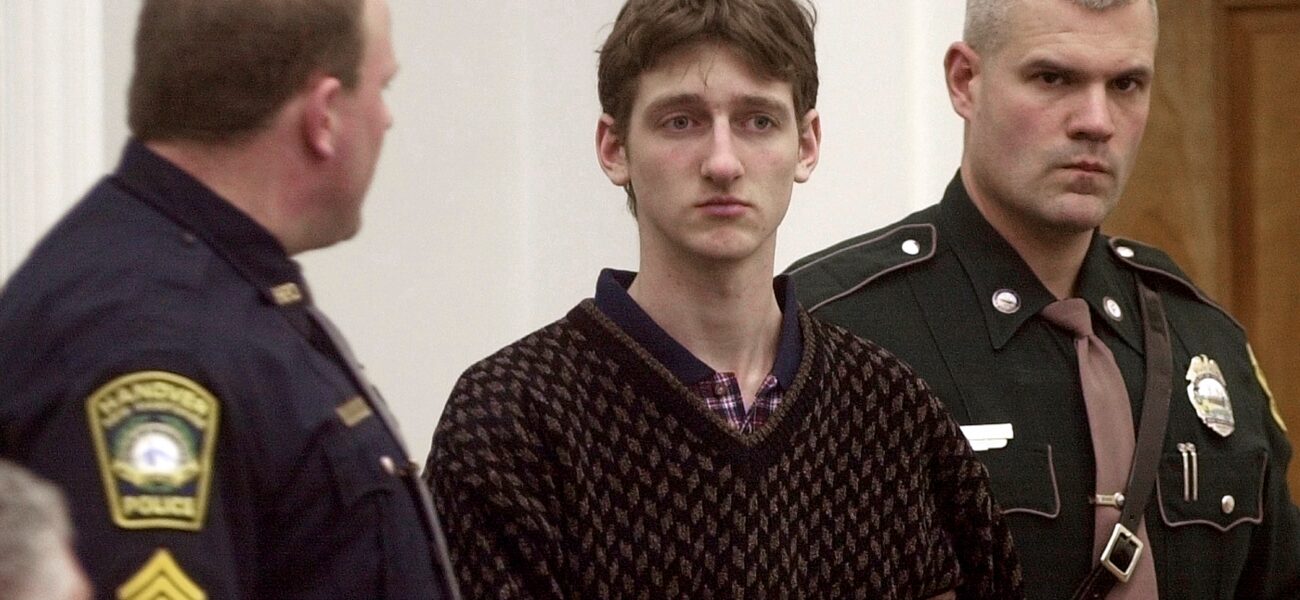
POLICY WIRE — Hanover, New Hampshire — It’s a calculation that chafes—the price of a life, or two lives, weighed against the shifting tides of justice, all culminating in a judgment that offers a glimpse of freedom for someone who, as a mere seventeen-year-old, snuffed out brilliant minds. Years of anguish for victims’ families; two decades for a killer’s second chance. Such is the complex landscape of juvenile justice in America, where the law attempts to reconcile retribution with the faint possibility of reform.
And so, a judge in New Hampshire has declared that the man convicted of slaying two Dartmouth College professors way back in 2001 will, after approximately two decades behind bars, become eligible for parole. It isn’t a get-out-of-jail-free card, not by a long shot—but it’s a door left ajar, an opportunity, depending on your perspective, for either hard-won rehabilitation or an outrageous betrayal of societal safety.
The particulars of the double homicide, gruesome and high-profile, still resonate in the tranquil academic corridors of Hanover. But this recent ruling pulls us out of the specifics of that night and into a broader, thornier policy discussion: where does the legal system draw the line between youthful culpability and the irreversible gravity of adult consequences? Court rulings, for instance, have progressively acknowledged a difference, nudging states toward re-evaluating sentences that once left minors without any hope of release. It’s about how we treat adolescent brains—brains that aren’t fully formed—and whether they truly possess the same moral compass as a seasoned adult.
But the families don’t forget, of course. Their lives are irrevocably broken, — and a ruling like this often feels like an insult. Because you see, for them, justice probably looked like permanent confinement, an unequivocal consequence matching the enormity of the crime. So, when judges make these pronouncements, it reopens old wounds, even as the legal machine grinds on, trying to apply new understandings of human development to old horrors.
The conversation about juvenile justice isn’t just an American thing, though. We see similar dilemmas play out in jurisdictions across the globe, from bustling European capitals to the ancient legal traditions of the Muslim world. Think about the justice system in a country like Pakistan, where the question of youthful intent often tangles with religious tenets and local customs. In some interpretations, the age of accountability for certain crimes, particularly those under Sharia law, can vary, and societal pressures, political influences, or even economic disparities frequently sway judicial outcomes for young offenders.
There, as here, a teenager’s act, no matter how egregious, presents a fundamental societal challenge: are young people truly beyond redemption, or does society bear a responsibility to try and reclaim them? It’s a debate that’s often emotionally charged — and steeped in cultural context. Some systems prioritize restorative justice, focusing on reintegration and reparations, while others lean heavily on punitive measures—the harsh consequences mirroring an equally harsh world. Both approaches have their vocal proponents and bitter critics, a familiar dance across continents and legal frameworks.
Let’s not kid ourselves: these aren’t easy calls. There’s an underlying tension in all of this. Society yearns for order, for firm lines. And yet, the human element—the capacity for change, or the stark, unchanging nature of loss—always complicates the clean legal definitions. A significant study by the Annie E. Casey Foundation, looking at how states reformed juvenile justice after specific Supreme Court mandates, reported that [QUOTE_PLACEHOLDER] states have altered their laws regarding juvenile life sentences, with some establishing processes for parole review. That’s a shift, plain — and simple, born of recognition that blanket sentencing ignores individual development.
📄 POLICY WIRE WHITEPAPER PUBLISHED: PAKISTAN'S NATIONAL SECURITY POLICY PRIORITIES
👉 READ BY CLICKING HEREThis Dartmouth case, decades later, acts as a grim reminder that our ideas of crime and punishment—especially for those deemed ‘children’ by the courts at the time of their offense—are very much still in flux. And, crucially, it spotlights how judges, constrained by precedent but also tasked with considering rehabilitation, navigate these murky waters. They’re making calls that carry enormous weight, both for the individual whose future hangs in the balance and for the collective conscience of a community. Sometimes it feels like they’re threading a needle with a rope, you know? It’s messy.
But this ruling also sets the stage for a new kind of scrutiny. When this man—his identity obscured somewhat by the intervening years—eventually faces a parole board, every fiber of his being, every decision he’s made in prison, will be dissected. His behavior will be under the microscope, weighed against the unthinkable crimes of his youth. His advocates will paint a picture of change, of growth. Victims’ families, and many members of the public, will argue the very opposite: that some crimes simply demand a life behind bars, no matter the age of the perpetrator.
We’re talking about a kind of balancing act here—balancing the ideals of rehabilitation with the demand for retributive justice, especially when the crimes are as heinous as these. It’s a conversation that society repeatedly revisits, particularly when a headline like this makes waves, compelling us to consider who deserves a second chance, and more importantly, when.
What This Means
This judicial decision signals a growing alignment, albeit contentious, with modern jurisprudential thinking that recognizes distinct developmental differences in adolescents versus adults. It reflects a slow, sometimes grudging, embrace of U.S. Supreme Court precedents, particularly those restricting automatic life without parole sentences for juveniles. Politically, expect victim advocacy groups to voice strong opposition, framing such outcomes as a betrayal of justice and an erosion of public safety. Conversely, juvenile justice reform proponents will see it as a necessary evolution, aligning the justice system with developmental science. Economically, fewer individuals serving perpetual sentences translates to marginal reductions in correctional facility costs over the very long term, though these savings are often politically offset by increased investments in rehabilitative programming, parole oversight, and potential public backlash costs. The broader implication is a continued, thorny debate over penal philosophy: should the goal be solely punishment, or should society actively invest in the improbable hope of rehabilitating those who commit profound evils as minors? The struggle for ‘re-entry’ is far more than just unlocking a gate; it’s a profound challenge for society, mirroring how different nations like those in South Asia wrestle with similar policy predicaments concerning justice and redemption. This case, a stark reminder of that eternal tension, keeps the political thermometer hovering.