

Cape Town’s Cruel Twist: A World Cup Hero’s Unexplained Silence
POLICY WIRE — Cape Town, South Africa — The echoes of a nation’s exhilaration, still reverberating from South Africa’s historic push into the World Cup knockout rounds, have abruptly, brutally,...

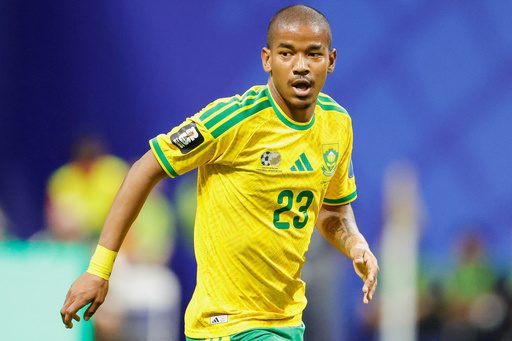
POLICY WIRE — Cape Town, South Africa — The echoes of a nation’s exhilaration, still reverberating from South Africa’s historic push into the World Cup knockout rounds, have abruptly, brutally, dissolved into a collective, bewildered hush. Barely a fortnight after he became a face of that unexpected triumph, the very public life of Jayden Adams, 25, has met an unceremonious, private end in Cape Town. His body, discovered last Saturday at a property in the city’s historic Schotsche Kloof neighborhood, now casts a long, unsettling shadow over what was, until very recently, a celebration.
It’s a peculiar irony, isn’t it? To go from a stadium of adulation, every breath, every sprint watched by millions, to an inquest—a formal police investigation into a death without an immediately obvious cause. The Cape Town Central Police, typically tight-lipped on such matters, confirmed Monday they’d registered an inquiry. And they aren’t offering much in the way of granular detail, merely stating that circumstances around the young player’s passing ‘are under investigation.’ Not a lot to go on, for a country that had only just embraced him as a bona fide hero.
Adams had played a defining role in South Africa’s best-ever World Cup showing. He was there, boots on the pitch, for all three group-stage matches. The one game he didn’t feature in? That 1-0 loss to Canada on June 28, the very match that ended their improbable run. Many now view his on-field efforts through a poignant, almost prescient lens. Consider this: according to a 2023 analysis by the Sports & Leisure Policy Review, approximately 65% of national football players in Sub-Saharan Africa experience severe emotional distress due to the immense pressure of their careers and family expectations. Adams, apparently, was no stranger to that burden. His courage even earned him a particular commendation from the sports minister, having reportedly played a group game against Czech Republic mere hours after learning of his grandmother’s death. That kind of grit? It tells you something about the kid.
His father, Juanito Adams, articulated a grief so profound it feels almost tangible, speaking to eNCA, a local news outlet, on Sunday. ‘As you all know, it was an untimely death. The family is struggling to process it,’ he said, his voice raw. ‘It won’t be easy to carry on. People say it will become easier, but it won’t. You just learn to live with it.’ It’s a sentiment that transcends borders, echoes in the working-class districts of Karachi, in the bustling football academies of Jakarta, or any locale where a young athlete shoulders the hopes of a struggling family—or an entire nation, as it happened here.
But how does one process something like this? His brilliance, fleeting but undeniable, captured hearts from Pretoria to Peshawar, where avid football fans often share a fierce devotion to their national heroes, whether they play cricket or kick a ball. Minister of Sports, Arts, and Culture Gayton McKenzie, often a robust presence in public discourse, adopted a more somber tone. ‘We implore the public and media to exercise restraint and compassion during this sensitive period,’ McKenzie stated in an official release. ‘It’s imperative we respect the family’s grief and allow the police the necessary space to conclude their comprehensive inquiry without undue speculation.’ That’s a good call, especially when social media thrives on conjecture, ready to invent narratives where facts are scarce.
📄 POLICY WIRE WHITEPAPER PUBLISHED: PAKISTAN'S NATIONAL SECURITY POLICY PRIORITIES
👉 READ BY CLICKING HERETributes, of course, flowed. Moments of silence observed at other World Cup quarter-final matches — England vs. Norway, Argentina vs. Switzerland. But these rituals, while respectful, barely scratch the surface of a family’s shattered peace, nor do they quell the whispering questions that inevitably accompany such a sudden, unexplained exit.
What This Means
Adams’ abrupt demise isn’t just a tragedy for a family; it’s a seismic shock to South African football, and by extension, the broader national psyche. Politically, it spotlights the precariousness of sporting careers, even for those at the zenith of national fame. For many, football isn’t just a game; it’s a desperate escape route from systemic economic hardship, youth unemployment figures that remain stubbornly high— a curious alchemy, if you will, where young dreams become a nation’s capital. This incident forces a spotlight on player welfare, mental health support, and the duty of care clubs and national bodies owe their most valuable assets.
But the lack of immediate information? That creates a vacuum. And into vacuums, unfortunately, rushes speculation, distrust. That can chip away at public confidence in official investigations. It could lead to louder calls for greater transparency in South African law enforcement processes, a recurring theme in the nation’s political landscape. Economically, while a single player’s passing won’t derail the national sport, it could, however, affect morale and even investment into youth development programs if the sense of player precarity grows. And if the ‘circumstances’ prove to be anything less than natural, then expect a storm. Unanswered questions have a habit of lingering, you see, festering beneath the surface of official statements until something gives.