

Lifeline Lost, Then Found: New Mexico County Wrestles Rural EMS Crisis
POLICY WIRE — CUBA, N.M. — For thirty years, Mary Lucero drove the lifeline. Day in, day out, sirens wailing across the stark, wide-open expanse of northwestern Sandoval County—sometimes just a...

POLICY WIRE — CUBA, N.M. — For thirty years, Mary Lucero drove the lifeline. Day in, day out, sirens wailing across the stark, wide-open expanse of northwestern Sandoval County—sometimes just a faint, fleeting hope on the horizon for those in peril. Then, just like that, the wail went silent. Cuba EMS, a decades-old institution run by Presbyterian Medical Services (PMS), simply stopped. Not with a bang, but with the quiet resignation of a system strained beyond its breaking point. That’s a feeling residents of places like La Jara and Regina know all too well now; a chilling vacuum where swift aid once was.
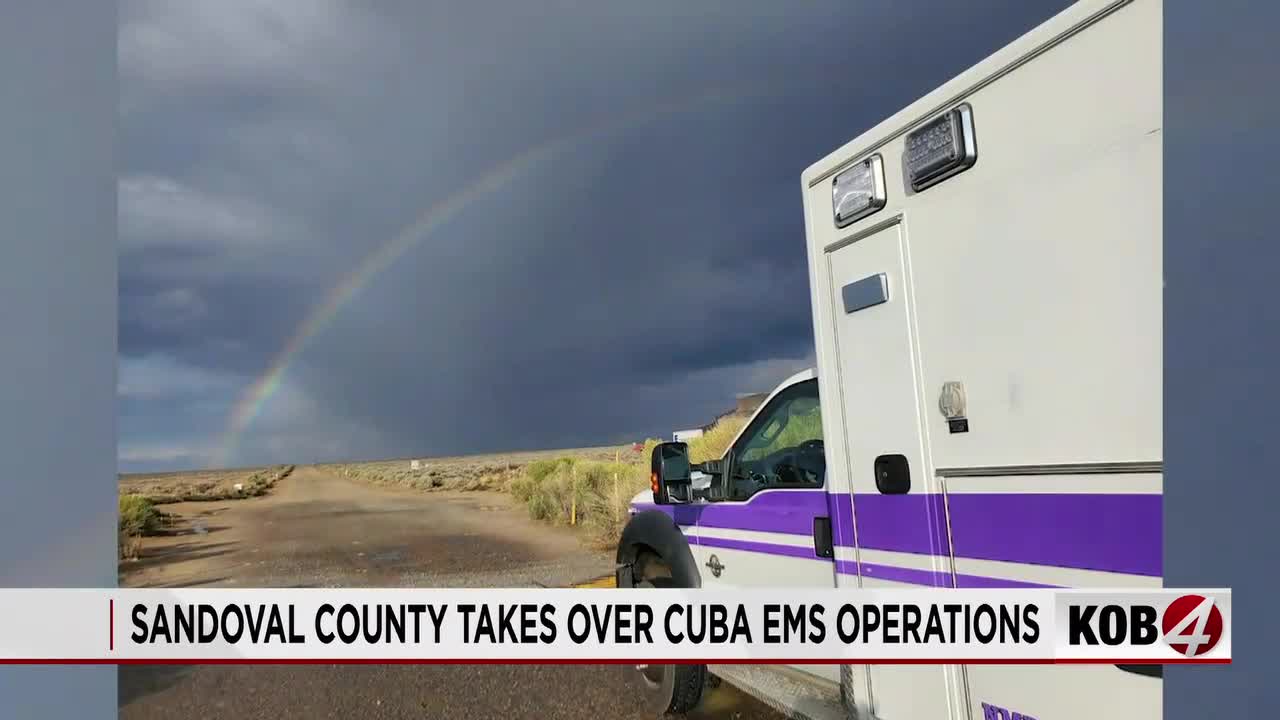
But life, or rather, the desperate need for it, doesn’t halt because the cavalry’s pulled out. Instead, it was the county itself that had to pick up the pieces, absorbing the critical responsibility for emergency services in Cuba and its scattered environs. It’s not just a local story; it’s a grim parable playing out in countless underserved pockets of America, where market forces often trump basic human necessity. Because when private providers — even non-profits — can’t make the numbers add up, who’s left holding the stretcher?
Sandoval County Fire Chief Christopher Bagley doesn’t mince words about the situation’s origins. “They approached us and told us that they were going to be ceasing ambulance services,” Bagley recalled, referring to the year-and-a-half lead time PMS provided. “And because of our relationship, they wanted to work with us and see what the possibilities were.” It wasn’t a choice; it was a desperate plea for continuity, cloaked in bureaucratic civility. The county, bless its heart, stepped into the breach. And that’s saying something, isn’t it?
Mary Lucero, a veteran of three decades on those roads, saw the writing on the wall long before her final call this past December. “We were their lifeline, weren’t we?” she mused, a touch of weary nostalgia in her voice. “You grow to consider those folks, in those tiny communities, family. It’s hard to just walk away.” Her departure, like the shuttering of the entire service, signals a profound shift, one that leaves a tangible emotional and practical scar.
The solution, for now, comes with a hefty price tag. Sandoval County committed $2.4 million to construct a new station at the Sandoval County Fairgrounds. This isn’t just about replacing an ambulance; it’s about building an entire emergency ecosystem from the ground up. The facility boasts a paid staff of 12 — a luxury in many cash-strapped rural zones, mind you — and it won’t just run patients to hospitals. Bagley outlines an expanded mandate: “24/7 fire suppression, wildland fire response, hazmat response, any kind of technical rescue response, vehicle extrication.” A full-spectrum emergency apparatus for roughly a third of the county’s sprawling landmass, including crucial segments of the Navajo Nation and even extending aid into parts of neighboring Rio Arriba County through mutual agreement. But it’s an expansive remit for a relatively small population, spread thin across hundreds of square miles.
They’ve already hit the ground running. In its inaugural nine days, the new crew tackled 18 calls—a brisk pace that suggests demand certainly hasn’t abated. Residents, Bagley notes, have greeted the transition with both relief — and a lingering unease. It’s a natural human reaction to change, particularly when that change directly impacts one’s chances of surviving a heart attack or a fiery car wreck.
What This Means
The transfer of Cuba’s EMS from private to public hands isn’t an isolated incident; it’s a stark indicator of a broader national crisis. Rural healthcare, particularly emergency services, is collapsing under the weight of escalating costs, declining reimbursements, and severe workforce shortages. Nationwide, nearly 140 rural hospitals have closed their doors since 2005, according to the American Hospital Association, a grim statistic that cascades into the availability and financial viability of pre-hospital care. When private entities like PMS — which still maintains other clinical services in the area — pull out due to economic pressures, it inevitably defaults to local government to provide what’s often the absolute last resort for remote populations. This creates unfunded mandates for counties already struggling with limited tax bases — and competing priorities.
Politically, these decisions put local commissioners in an impossible bind. Do you risk leaving thousands without essential services, or do you saddle taxpayers with millions in new expenditures? Sandoval County, it seems, opted for the latter, driven by both moral obligation and the pragmatic understanding of what a total lack of EMS means for economic development and civic stability. Commissioner Helena Chavez, representing this affected region, recently stated, “We can’t just stand by while our families wait an hour for an ambulance. It’s a tremendous burden, yes, but frankly, it’s not an option to do nothing.” That’s the cold reality of governance in America’s overlooked corners. The precedent set here also pressures neighboring counties facing similar shortfalls; once one takes the plunge, the expectation rises for others. But it’s not a sustainable model in the long run. We see similar fragilities in remote communities across the globe, from parts of South America to the often-forgotten, storm-battered villages of deltaic Bangladesh, where economic strain makes vital services an agonizing, often impossible, dream. The ‘solutions’ are temporary patches over a fundamental, gaping wound in healthcare equity.