Mali’s Illusory Victory: The Sahel’s Shifting Sands and Lingering Shadows
POLICY WIRE — Bamako, Mali — The dust, ever-present in this sun-scorched swath of the Sahel, never quite settles here. So it goes with the endless declarations of triumph from Mali’s ruling junta....

POLICY WIRE — Bamako, Mali — The dust, ever-present in this sun-scorched swath of the Sahel, never quite settles here. So it goes with the endless declarations of triumph from Mali’s ruling junta. They’ve just trumpeted a resounding win, asserting their forces—presumably with their new, unadvertised Russian friends in tow—have successfully lifted a protracted blockade around Kidal. This isn’t just another skirmish, mind you. Kidal, an age-old separatist stronghold up north, symbolizes something deeper: Bamako’s shaky grasp on sovereignty.
But how much of a victory is it, really? The government-controlled airwaves buzzed with the news, painting a picture of resolute state power finally reasserting itself. The Coordination of Azawad Movements (CMA), a Tuareg-dominated rebel alliance that’s been making life difficult, had allegedly encircled the strategic military base for weeks. Now, according to Bamako, the vice is off. They’ve pushed through. But wars are rarely won by press release, and this part of the world, well, it specializes in protracted, complicated messes.
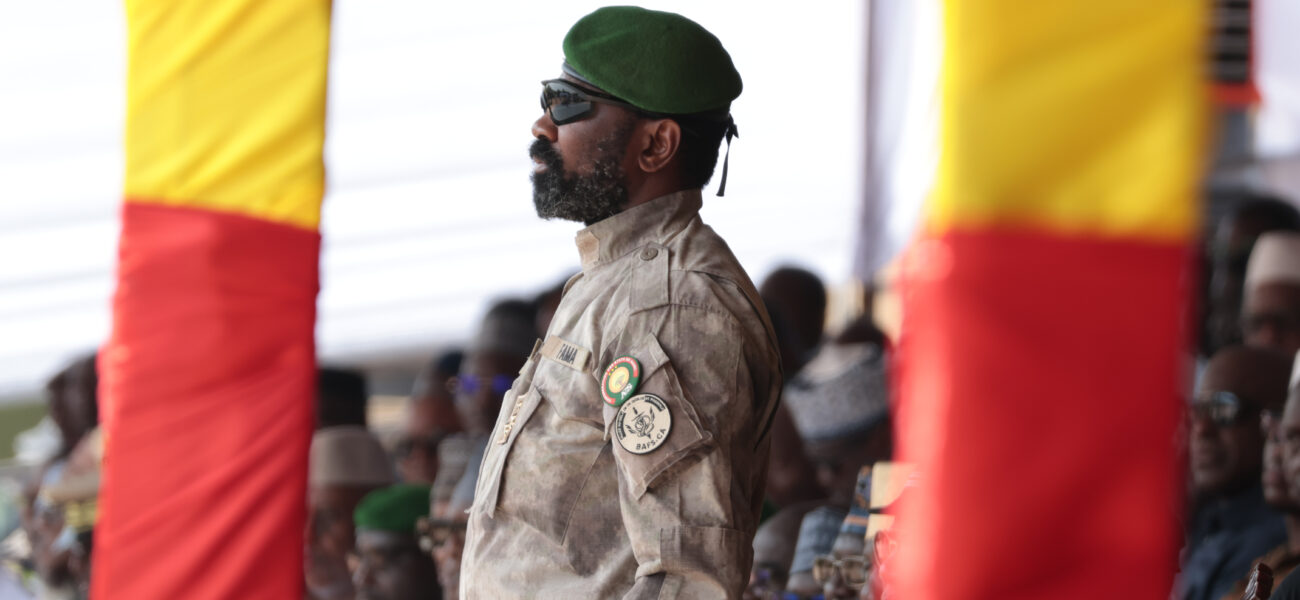
Colonel Assimi Goïta, the coup leader turned interim president, was quick to declare it a defining moment. “This isn’t merely a tactical maneuver; it’s a profound statement of our nation’s will,” a senior aide, speaking on condition of anonymity, conveyed from Bamako’s gilded halls. “We’ve shown the world that Mali belongs to Malians, and no foreign-backed group will dictate our fate.” You can practically hear the collective sigh of relief emanating from the presidential palace—and the clink of glasses from those benefiting from the shifting allegiances. And, let’s be honest, the true price of such an operation, especially one involving mercenaries, remains stubbornly opaque.
The implications ripple far beyond Kidal’s sandy environs. It’s a snapshot of a region — and indeed, broader parts of the Muslim world, from Afghanistan’s rugged mountains to Pakistan’s restless tribal areas — where centralized state authority often contends with deeply entrenched, ethnically or religiously motivated insurgencies. Like in parts of South Asia where proxy groups muddy the waters, Mali finds its geopolitical landscape similarly contorted. You see, the Sahel is now ground zero for competing external influences, after France—the colonial-era gendarme—packed its bags. Wagner Group mercenaries, those purveyors of brutal, no-questions-asked ‘security’ from Moscow, have filled the vacuum with alacrity. Their methods, observers note, aren’t exactly conducive to long-term stability.
This conflict isn’t just about territory; it’s about control, resources, and the increasingly desperate fight for survival. More than 422,000 Malians remain internally displaced as of September 2023, according to UNHCR data, a stark reminder of the human toll that gets drowned out by triumphant military communiqués. Because, as ever, ordinary folks just want to get by.
The CMA, for their part, isn’t buying the narrative of decisive defeat. “They’ve opened a corridor, nothing more,” countered Moussa Ag Acharatou, a spokesman for the rebel alliance, in a statement given to Policy Wire. “The roots of this conflict run too deep for a single convoy to change anything. We’re still here. And the fight continues.” A blunt assessment, that, underscoring the deep distrust characterizing relationships in a nation plagued by instability for over a decade. It’s almost as if some players thrive in chaos.
📄 POLICY WIRE WHITEPAPER PUBLISHED: PAKISTAN'S NATIONAL SECURITY POLICY PRIORITIES
👉 READ BY CLICKING HEREIt brings into focus the precarious position of nations caught between competing global powers, desperately seeking solutions that don’t invite more trouble. Just look at the broader dynamics of global power shifts, sometimes reflected even in the world of sports, as explored in articles like The End of Eras: Sinner Dethrones Djokovic, Shifting Geopolitical Rackets. These seemingly disparate events actually highlight the perpetual jostling for influence.
What This Means
The alleged breaking of the Kidal blockade, while perhaps a temporary tactical gain for the Malian junta, signals no definitive end to the country’s multi-layered crises. Politically, it allows the military leadership to project an image of strength and effectiveness domestically, bolstering their legitimacy amid international isolation. They’re telling their citizens they can deliver, especially after kicking out the French — and UN peacekeepers. This narrative is crucial for maintaining popular support, or at least quiescence, while Russia extends its shadowy grip.
Economically, persistent conflict in the north stifles development, disrupts trade routes—many are illicit anyway—and perpetuates humanitarian dependency. Even with this supposed victory, large swathes of the country remain out of government control, impacting resource extraction and regional stability. It’s a vicious cycle; insecurity breeds poverty, which then, you guessed it, feeds further insecurity. Long-term investment? Forget about it. the increasing reliance on the Wagner Group—who certainly don’t work for free—only entrenches Mali’s financial burdens and compromises its sovereignty in less visible, more insidious ways. The future, you’d think, would need less showboating — and more tangible nation-building. But here we’re. It’s a grim calculus, for a nation that’s been living through continuous geopolitical flux for far too long.