


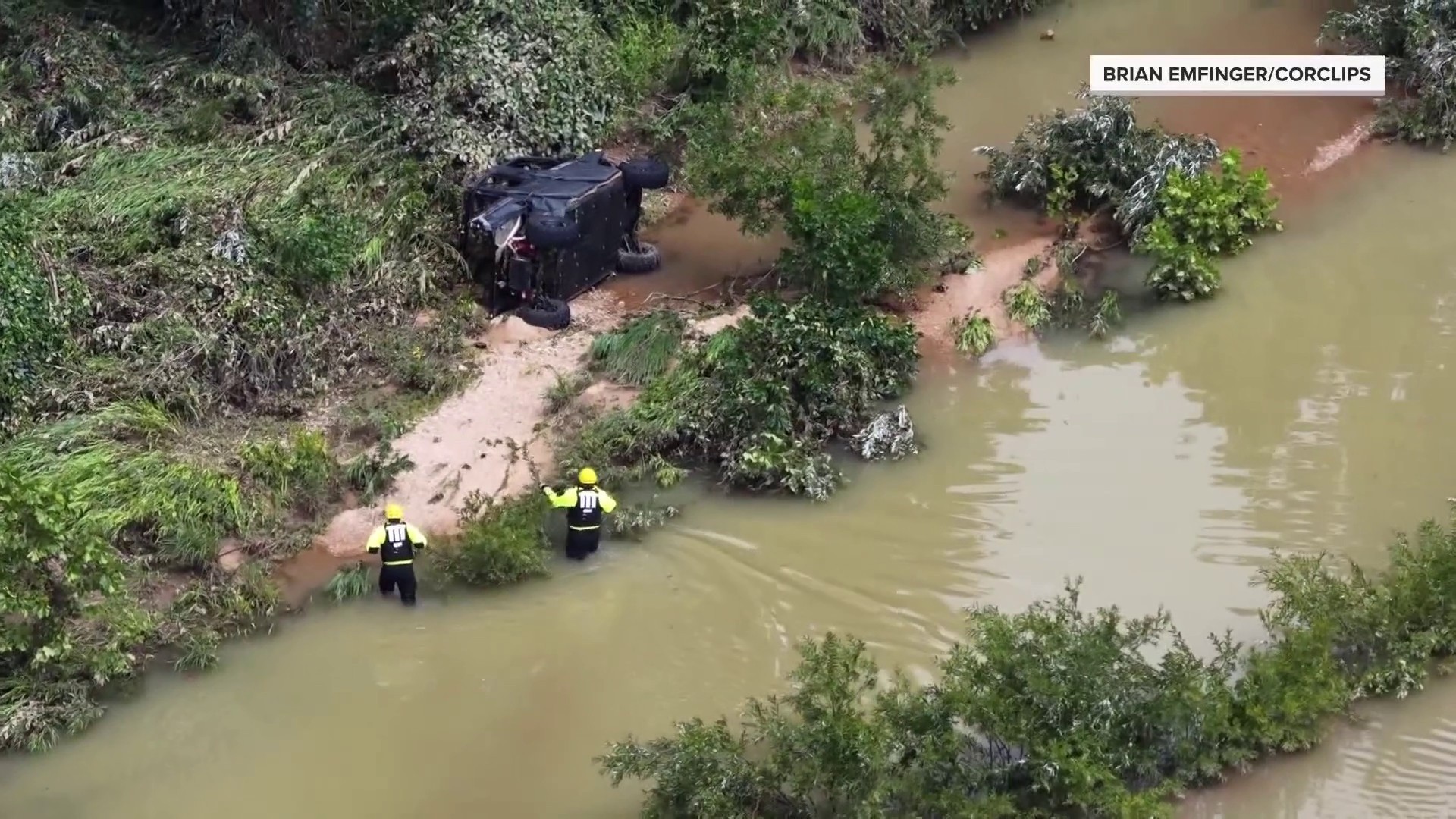
Summer’s Sudden Fury: Missouri Camp’s Innocence Swallowed by Floodwaters
POLICY WIRE — Camdenton, Missouri — Summer camps, those bucolic idylls of s’mores, campfire stories, and burgeoning independence, don’t typically factor natural disaster into their...

POLICY WIRE — Camdenton, Missouri — Summer camps, those bucolic idylls of s’mores, campfire stories, and burgeoning independence, don’t typically factor natural disaster into their program schedules. Yet, for one Missouri facility nestled near Lake of the Ozarks, the familiar crescendo of a Midwestern thunderstorm gave way to a harrowing dawn, turning cheerful cabins into makeshift islands. It’s a stark reminder of nature’s indifference, capable of rending innocence with swift, cold water.
Early reports trickled in—initially vague—about rapidly rising waters, then escalating to frantic pleas for assistance as floodwaters surged through the campground. Emergency services, already stretched thin across a region hit hard by persistent, torrential rain, had to pivot fast. You know, these aren’t your typical rescue operations; you’re dealing with a demographic particularly vulnerable: kids. And it wasn’t just a slight inconvenience, not by a long shot.
It’s understood that many parents were left in a state of terror, glued to news feeds and frantically calling overwhelmed emergency hotlines. There’s nothing quite like the knot in your stomach when you hear your child’s summer adventure might be turning into something far more sinister. Missouri State Highway Patrol units, local sheriff’s deputies, and countless volunteers converged, launching an arduous operation to pluck stranded youngsters from what had become a swiftly moving river where dry land used to be. One official described the scene as [QUOTE_PLACEHOLDER], adding to the general sense of urgency and chaos that enveloped the morning hours. Rescuers often recounted finding children huddled together, understandably scared but mostly cooperative, as they were carried to safety through chest-deep currents. They’d never signed up for that.
But how does a summer camp, presumably prepared, get so thoroughly caught off guard? This isn’t the first time an unexpected deluge has turned recreational grounds into danger zones, of course. A recent analysis by the National Weather Service, citing updated climate models, indicated a staggering 30% increase in flash flood warnings across the Midwest over the past decade. That’s not just a statistic; it’s a trend that’s literally washing over communities, reshaping landscapes and our collective sense of security.
And so, as the waters eventually recede — and the immediate crisis fades, what remains is the wreckage. Camps will assess damages. Kids will go home with a story far more intense than any ghost story around a campfire. It’s an unnerving episode that forces a reckoning with how increasingly erratic weather patterns are redefining “normal” — even in places like central Missouri. It seems nobody’s quite immune anymore, certainly not unsuspecting summer campers.
What This Means
This localized disaster, however dramatic for those directly involved, isn’t an isolated incident. It’s a recurring echo of a larger, systemic vulnerability playing out globally, from the American Midwest to the vast deltaic plains of South Asia. The image of children being evacuated from a summer camp, a symbol of idyllic American youth, finds its grim counterpart in the displacement of millions each year across nations like Bangladesh. For those living along the mighty rivers of Pakistan or the coastal communities in Bangladesh, seasonal floods are less an unforeseen calamity and more an annual ritual of ruin. (Policy Wire has covered this Deltaic Distress previously.) The scale differs, yes, but the root cause – intensified hydrological cycles, unpredictable precipitation – remains distressingly similar. You see, even if a flood in Missouri isn’t quite the cataclysmic event of the Indus River basin, it still disrupts lives, strains local resources, and demands immediate policy adjustments for disaster preparedness and climate adaptation.
Economically, the impact here, while confined, isn’t insignificant. Think about it: a camp like this represents local jobs, seasonal revenue, — and a piece of the summer tourism pie. Disruptions mean lost wages for counselors, lost income for proprietors, and a dent in the local economy that relies on these recreational attractions. But this specific incident throws into sharp relief the larger political calculus around climate change adaptation. Governments, both federal and local, are going to face increased pressure—not just from environmental activists—but from ordinary citizens demanding better infrastructure, more robust warning systems, and clearer evacuation protocols. We’re talking about everything from revamped zoning laws near floodplains to federal grants for community-level resilience projects. It’s a bureaucratic tangle, but one that increasingly affects everybody.
This situation also raises questions about insurance, about liability, about the inherent risks in operating facilities in areas prone to increasing climatic instability. Nobody wants to be the next news story about emergency rescues. And frankly, the financial burden of these ‘acts of God’ ultimately gets passed down, one way or another. Whether it’s higher insurance premiums, federal relief funds (which are taxpayer dollars, remember?), or simply uninsured losses, the money always comes from somewhere. These weren’t just a few wet tents; this was a serious breach of perceived safety. The policy responses, or lack thereof, reverberate much further than any local waterlogged campground.
What’s needed isn’t just a faster rescue boat next time. It’s a fundamental re-evaluation of how communities, particularly those in seemingly low-risk zones, are safeguarding themselves against what’s rapidly becoming the new normal. And it ain’t going away. For more on the complex political decisions surrounding public safety and environmental policy, consider how global crises often force national introspection, as seen with issues like Gaza’s Endless Echo.