


Salad Surprise: Michigan Outbreak Exposes Perils in Produce Pipeline
POLICY WIRE — Lansing, United States — It’s a health headline we’ve all seen before, but its familiar ring doesn’t lessen the stomach-churning irony: something as seemingly innocuous, as...

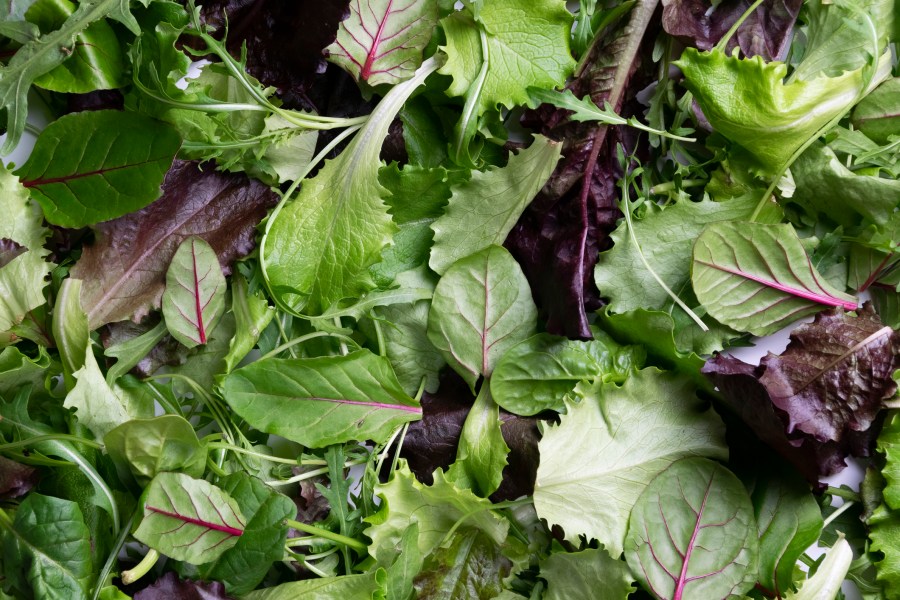
POLICY WIRE — Lansing, United States — It’s a health headline we’ve all seen before, but its familiar ring doesn’t lessen the stomach-churning irony: something as seemingly innocuous, as unequivocally *good-for-you*, as a simple salad is making people violently ill. In Michigan, health sleuths are currently pointing fingers at lettuce or some other variety of leafy greens as the unwelcome vector in a baffling cyclosporiasis outbreak.
It’s not just a passing bug. This parasite, Cyclospora cayetanensis, is nasty business— think weeks of relentless watery diarrhea, abdominal cramps, and an appetite that simply vanishes. Michigan health authorities haven’t officially released specific numbers yet, but whispered figures among industry contacts suggest the case count has soared past a hundred and then some. And that’s just the known cases; countless others, have endured its indignities without official confirmation. Officials are
[QUOTE_PLACEHOLDER]
That’s how these things always go, isn’t it?
And so, we confront the uncomfortable paradox: the more we push for fresh, organic, direct-from-the-earth produce, the more exposed we become to vulnerabilities in a sprawling, often opaque global food system. The pristine salad on your plate, it turns out, might have traveled further than most people in a year, handled by myriad hands in distant lands. A simple grocery run suddenly transforms into a minor exercise in faith.
But this isn’t merely about personal woe — and missed workdays. This saga—familiar as it’s—peels back layers of a global supply chain where the origin of your evening’s roughage can trace a line from a Michigan supper club to a distant field, perhaps even half a world away. Agricultural giants, constantly hunting for efficiencies and year-round supply, often source produce from regions where food safety protocols—let’s be honest —aren’t quite up to American (or even European) standards. Or sometimes, it’s just the sheer volume; mistakes happen.
Consider the delicate balancing act faced by nations like Pakistan, where agriculture isn’t just an industry; it’s the economic bedrock for millions. Farmers in the fertile plains of Punjab or the burgeoning hydroponic ventures near Karachi face immense pressure to meet global demands, often navigating less-than-perfect irrigation infrastructure and fluctuating climatic conditions. An outbreak like Michigan’s, even if its root isn’t in South Asia, casts a long shadow. It tightens import regulations, ramps up scrutiny, and ultimately, can cost livelihoods overseas as much as it costs consumer trust at home.
Because every health scare here ripples across the globe, impacting economies that depend heavily on agricultural exports. The very possibility of contaminated produce arriving from abroad often initiates stricter border checks, enhanced testing, and sometimes, outright import bans. These measures, while necessary for public health, can hamstring the economic development of nations aiming to participate more robustly in global trade. It forces a reckoning with how infrastructure investment, particularly in water sanitation and worker hygiene, is not just a local issue, but a critical component of global food security.
It’s worth noting, for context, that the CDC reported
📄 POLICY WIRE WHITEPAPER PUBLISHED: PAKISTAN'S NATIONAL SECURITY POLICY PRIORITIES
👉 READ BY CLICKING HERE[QUOTE_PLACEHOLDER]
among U.S. residents between 2000 and 2020. This isn’t some rare anomaly; it’s a recurring headache for public health officials, a reminder of constant vigilance. And if there’s anything these persistent outbreaks teach us, it’s that good intentions aren’t enough when it comes to industrial-scale food production. Regulators need teeth. The buck, eventually, has to stop somewhere.
This Michigan kerfuffle—no specific farm named yet, but rest assured, the Michigan Department of Health and Human Services (MDHHS) is all over it—comes on the heels of similar incidents. Remember that major 2013 outbreak? That one got pinned on cilantro, hailing from Puebla, Mexico. It all paints a rather unsettling picture: healthy habits, when untethered from robust oversight, can unexpectedly lead you straight to the emergency room. For Michiganders currently dealing with cyclosporiasis, this isn’t just a policy discussion; it’s a painful reality.
It’s moments like these you really wonder about our shared dependence on invisible networks, the complex dances of trade and consumption that we rarely think about until something goes wrong. We need to remember the global food production web is just that: a web, with countless weak points. Sometimes, you gotta stop — and wonder, is the organic allure really worth the epidemiological dice roll? Maybe that’s the cynical journalist in me, or maybe, it’s just common sense in an uncommon world.
What This Means
Politically, this kind of outbreak always puts food safety regulators—at both state and federal levels—under the microscope. Expect renewed calls for stricter oversight of produce sourcing, perhaps more stringent inspections at points of entry, and increased funding for public health departments. For Michigan specifically, this likely fuels consumer anxiety about locally sourced food versus large distributors, which can have ripple effects on regional agricultural economies and voter trust in government agencies.
Economically, if a specific product or origin is identified, it’s a direct hit on those producers. More broadly, it stresses global supply chains. Importers become more risk-averse, potentially increasing costs for consumers as businesses pass on expenses associated with enhanced safety measures or diversification of sourcing. Small businesses, like local restaurants and grocery stores that relied on affected products, suffer economic losses due to recalls and public hesitance. These outbreaks also highlight the persistent challenges in global food regulation, echoing broader issues of infrastructure and safety discussed, for instance, in events like the Bangkok Blaze—where inadequate regulation causes widespread impact. The Michigan situation, similar to concerns raised in articles about Michigan’s cyclosporiasis quagmire itself, shows a recurring bureaucratic lag that complicates rapid response and consumer protection.