


Verstappen’s Grand Prix Grievance: When Brand Building Clashes With Racer Cred
POLICY WIRE — London, UK — The asphalt, it turns out, can be a crucible for more than just tire degradation and split-second decisions. Sometimes, it’s where the high-gloss facade of global...

POLICY WIRE — London, UK — The asphalt, it turns out, can be a crucible for more than just tire degradation and split-second decisions. Sometimes, it’s where the high-gloss facade of global entertainment gets a serious dent, often self-inflicted. Before the roar of engines truly begins at the British Grand Prix, a different kind of noise—a very public, very pointed grumble—has erupted from one of its most dominant figures. It wasn’t about rivals or race strategy. It was about toys. About branding.
And yes, about what it means to be taken seriously in a billion-dollar enterprise. Max Verstappen, a man not known for holding back a sharp opinion, has fired a rather precise shot across the bow of Formula 1’s ever-expanding corporate apparatus. It seems the sport’s increasingly flamboyant pre-race pageantry has struck a nerve, exposing a raw tension between athletic purity and commercial spectacle. A tension, I might add, that plays out far beyond the Silverstone circuit, reverberating through policy-making and economic strategies across continents.
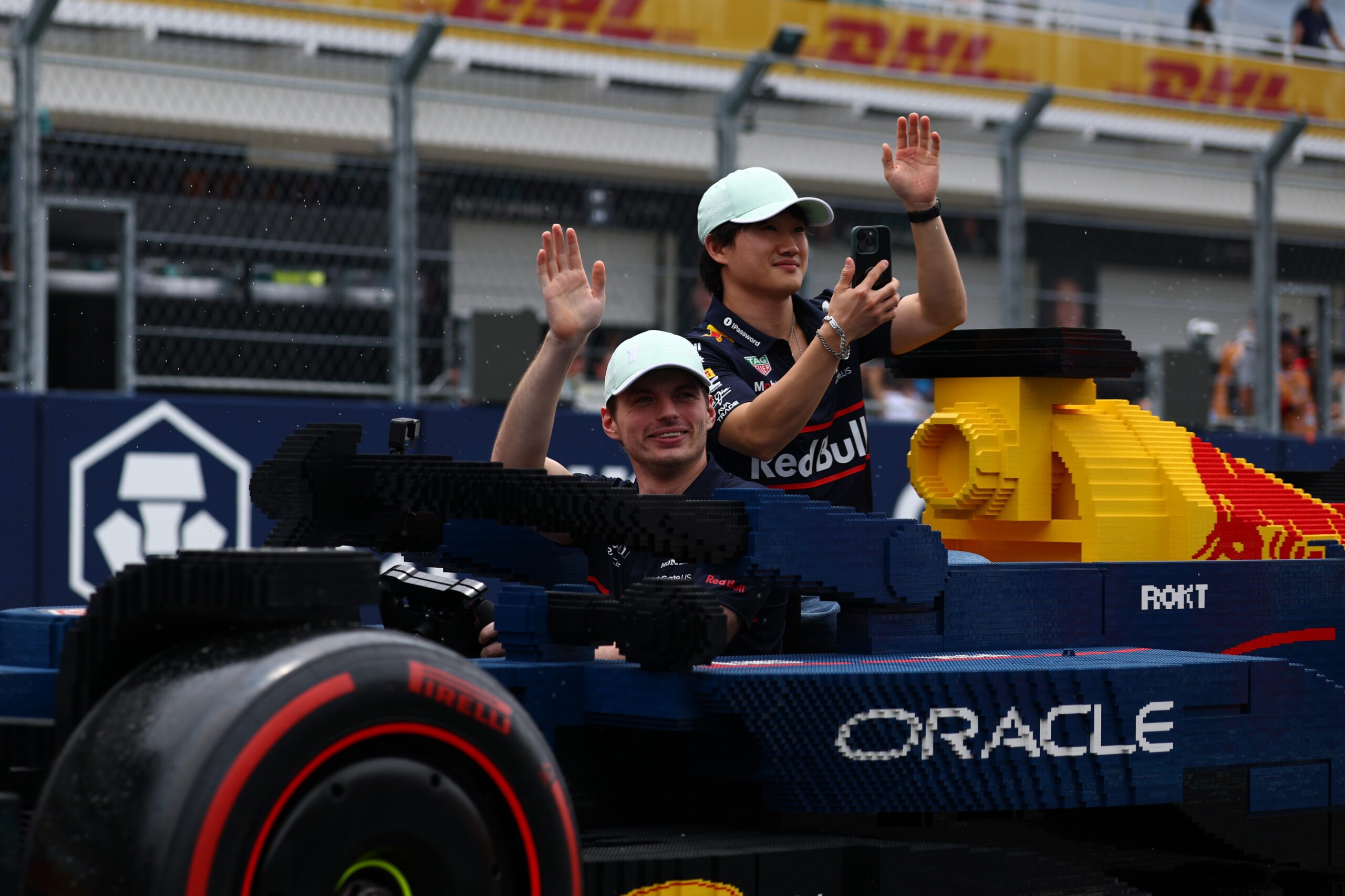
Forget the intricate aerodynamic packages or the strategic tire calls for a moment. This past Sunday, F1 intends to transform its traditional drivers’ parade “into a full-scale spectacle, with 22 drivable LEGO minicars in each of the teams’ colors taking to the track just moments before lights out.” These aren’t mere playthings, mind you. According to F1 itself, each minicar is composed of some 28,000 LEGO bricks, a fact meant to impress, presumably. They zip along at up to [QUOTE_PLACEHOLDER] (a glacial pace compared to their actual F1 mounts) with each contraption weighing [QUOTE_PLACEHOLDER] where [QUOTE_PLACEHOLDER] It’s all very whimsical, very family-friendly. Very corporate-partnership. But the Dutch champion, who currently enjoys an iron grip on the sport, ain’t buying it. He didn’t sugarcoat it for the media, declaring plainly: [QUOTE_PLACEHOLDER] He then delivered the money shot: “We shouldn’t look like kids and clowns trying to ram into each other.” Ouch. And just like that, the multi-million dollar collaboration suddenly looks less like a triumphant marketing coup and more like a public relations headwind.
It’s worth noting that Verstappen [QUOTE_PLACEHOLDER] participating in a similar event in Miami in 2025 (that’s right, this isn’t his first rodeo in a pint-sized contraption). But appearances, as we journalists well know, can be deceiving. And who can blame the man? One minute you’re an elite athlete, carving a living—and a legacy—out of split-second judgment and pushing human endurance. The next, you’re in a plastic chariot, likely performing a corporate-mandated charm offensive. It’s enough to make even the most polished corporate shill wonder about the fine line between engagement — and indignity.
But there’s a much larger economic pulse beneath Verstappen’s gripes. F1, like nearly every major global sport, is chasing new markets, new demographics, and crucially, new sponsorship dollars. You don’t need a Harvard MBA to understand that these LEGO collaborations, much like the ever-increasing number of races in new territories, are about expansion. And about keeping sponsors like the toy giant happy. But when your top asset—the very face of your competitive spirit—publicly derides such efforts, you’ve got a problem. It’s not just a tempest in a teapot; it’s a direct challenge to the commercial viability that underpins the entire circus.
This incident reflects a wider battle playing out in professional sports, even echoing debates in the bustling commercial centers of places like Dubai, Jeddah, or Singapore. It’s the tension between maintaining cultural authenticity (of the sport itself) and embracing the often-cacophonous demands of modern global branding. Consider how cricket, deeply embedded in the cultural fabric of nations from Pakistan to India, has grappled with the commercialization of its T20 leagues. Or how Saudi Arabia is investing billions in sporting events—from football to boxing—to diversify its economy, often encountering questions about balancing traditional values with modern entertainment. Are these nations merely importing Western spectacle wholesale, or are they carefully curating a new identity for sport, one that appeals to both local sentiment and international investors? Verstappen’s bluntness about being a “clown” in a sponsored parade serves as a loud reminder that even for the best, the line between athlete and entertainer can get painfully blurry. He’s essentially questioning the judgment of the very machine that allows him to race, an impolitic move, yes, but one that many a worker in many an industry can surely understand: the feeling of being infantilized for profit.
What This Means
Verstappen’s outspoken disdain, while seemingly a minor kerfuffle, carries significant implications. Economically, it exposes the vulnerabilities of highly commercialized sports. A sponsor, paying untold sums to be associated with the prestige of F1, doesn’t want its brand associated with an athlete’s public scorn. Such comments can subtly undermine brand perception — and future partnership negotiations. Policy-wise, it opens questions about the autonomy of athletes within corporate structures. Do they’ve a say in how their image is used for commercial endeavors, even if it feels demeaning to them? The collective bargaining power of athletes, often perceived as astronomical, is often curtailed by iron-clad contracts, especially when they reach the pinnacle of their sport. This dynamic plays out differently in various parts of the world; in nascent sporting markets like some emerging economies in South Asia, athletes might have even less leverage against monolithic corporate interests.
It’s also a stark illustration of the challenge in global sports entertainment: how to retain competitive integrity and athlete respect while simultaneously maximizing revenue through broad appeal. The British Grand Prix isn’t just a race; it’s a cultural event designed to capture global eyeballs and advertising dollars. Making F1 more accessible and family-friendly through initiatives like the LEGO parade is a calculated gamble to broaden its demographic reach, crucial for long-term financial health in an increasingly crowded media landscape. But, it seems, they forgot to factor in the candid nature of a highly competitive athlete who believes his job description doesn’t include glorified toy rides. For F1 executives, it’s a difficult balancing act, ensuring their athletes feel valued as competitors, not merely as human billboards in an ever-expanding commercial universe. The solution probably isn’t to force their star driver into an ill-fitting, brick-built contraption.