
Monsoon’s Unforeseen Reach: New Mexico’s Drizzle and South Asia’s Deluge
POLICY WIRE — ALBUQUERQUE, N.M. — It’s a quaint delusion, this idea of dominion over weather. We map its moods, forecast its tantrums, yet in the face of nature’s raw, unapologetic power, humanity’s...

POLICY WIRE — ALBUQUERQUE, N.M. — It’s a quaint delusion, this idea of dominion over weather. We map its moods, forecast its tantrums, yet in the face of nature’s raw, unapologetic power, humanity’s finest predictive algorithms often yield little more than a polite heads-up. Case in point: the impending shift in New Mexico, where the arid landscape is steeling itself for what officials are now labeling a more active monsoon pattern. This isn’t just about puddles and umbrellas; it’s about infrastructure stress, agricultural uncertainty, and an eerie echo of far more dire consequences unfolding in distant, densely populated corners of the globe.
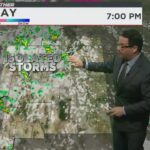
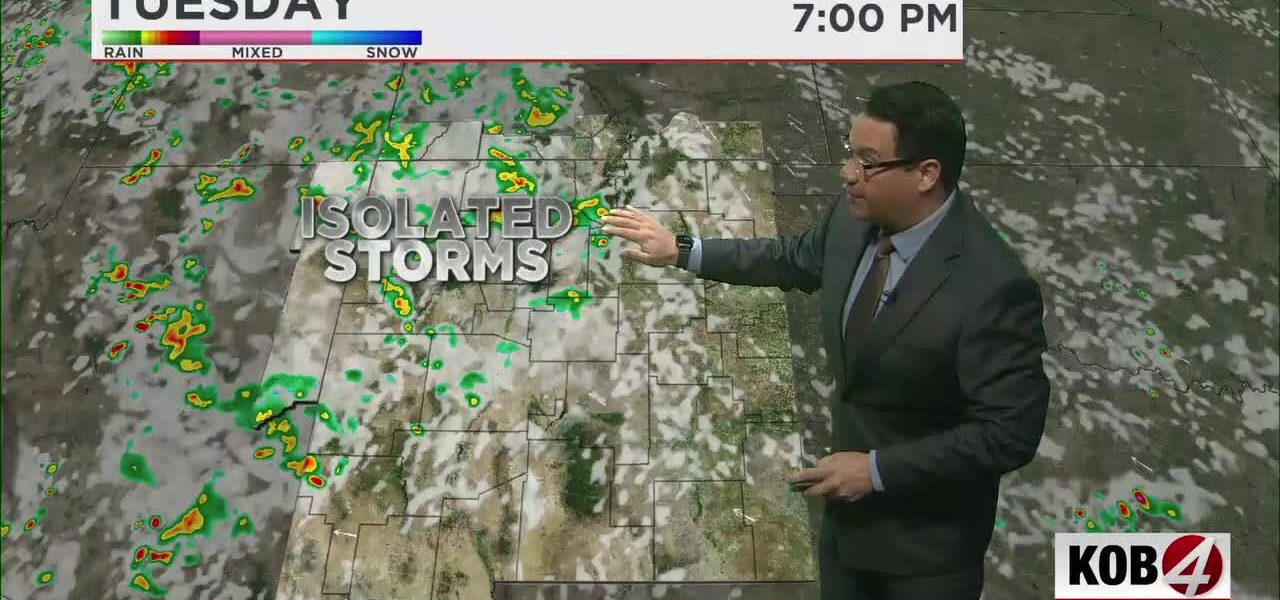
Beginning this week, the Land of Enchantment isn’t getting a gentle sprinkling, it’s bracing for an increasing atmospheric onslaught. Tuesday alone, forecasters predicted a noticeable uptick in afternoon thunderstorms compared to Monday. Places like Farmington, Chama, Taos, Red River, Angel Fire, and the Jemez Mountains are the prime suspects for catching the brunt of these early deluges. And we aren’t talking just a little drizzle. There’s chatter about a few stronger storms that may also develop near Las Vegas — and Pecos during the afternoon. The primary concerns? [QUOTE_PLACEHOLDER] Most of these skirmishes with the sky will diminish after sunset, a fleeting intensity before the main event.
But that’s just the appetizer. By midweek, things ratchet up significantly. [QUOTE_PLACEHOLDER] a bureaucratic way of saying, yeah, you’re gonna need that raincoat. This means [QUOTE_PLACEHOLDER] hitting population centers like Albuquerque, Santa Fe, Socorro, Gallup, Grants, Silver City, Truth or Consequences—even hitting Farmington and Chama and Taos again. It’s a broad brush of wetness. For the truly serious threats, the highest flash flood risk currently appears to be west of the Ruidoso burn scars on Wednesday, an area where past infernos have left the earth unable to absorb much moisture, setting the stage for truly destructive flows. The forecast for Thursday is less certain—because, you know, nature doesn’t always play by the book, even with all our fancy radar.
Looking further out, from Friday through the weekend, monsoon moisture will continue to increase. Meaning, if you’re hoping for dry skies for your weekend plans, good luck with that. Showers — and thunderstorms are expected each afternoon across much of New Mexico. It’s an inconvenient forecast for sure. Small business owners worry about foot traffic. Farmers, well, they always worry. Property owners contemplate insurance premiums. For New Mexico, it’s largely about adapting, managing the predictable annual rhythm of summer rains. A disruption, but rarely a disaster of existential proportions.
Yet, the very word monsoon carries a different weight, a truly apocalyptic ring, in other parts of the world. It’s in Pakistan, for instance, that this seasonal weather phenomenon morphs from a minor inconvenience into an epic catastrophe, upending entire societies. Where New Mexico braces for [QUOTE_PLACEHOLDER] a phrase suggesting transience and manageable disruption, nations across South Asia endure prolonged, relentless downpours that obliterate homes, wash away fields, and decimate livelihoods. It’s a stark contrast, almost unsettling, seeing the same weather term apply to such divergent realities.
📄 POLICY WIRE WHITEPAPER PUBLISHED: PAKISTAN'S NATIONAL SECURITY POLICY PRIORITIES
👉 READ BY CLICKING HEREIn 2022 alone, devastating monsoon floods in Pakistan killed over 1,700 people and affected a staggering 33 million individuals, incurring economic losses estimated at more than $30 billion, according to the United Nations Development Programme (UNDP). Imagine that for a moment: the equivalent of entire nations displaced, industries wiped out, not by war, but by rain. Here, a slight increase in downpours may cause local road closures or prompt a shift in picnic plans; there, it precipitates widespread hunger, disease, and societal collapse, forcing millions into displacement camps or reliance on international aid. The monsoon isn’t just weather; it’s a profound, sometimes brutal, economic — and political force. The predictability we seek, the patterns we chart, only go so far when climate itself decides to unleash its full fury. One hopes lessons from these climate realities are absorbed, even if indirectly, by policymakers focused on regional concerns.
What This Means
On a local level, New Mexico’s increased monsoon activity presents immediate logistical and budgetary challenges for state and local governments. Infrastructure, already stressed, will face heightened demands. We’re talking emergency services needing to coordinate for flash flood responses, maintaining roads damaged by rapid runoff, and potentially assisting vulnerable communities—particularly those near burn scars—who face a heightened risk. It’s an annual rite, sure, but each season brings new tests of preparedness — and resilience. There are budget implications for mitigation projects, emergency funding allocations, and insurance payouts, things that don’t always grab headlines but grind through government ledgers. The politics often boil down to whose backyard gets hit hardest and how quickly assistance arrives, creating minor, but persistent, tensions between municipalities and state agencies.
Economically, agriculture is always at the mercy of the skies. While some rain is beneficial for the largely arid state, too much too fast can wipe out crops and create costly soil erosion. The tourism industry, a significant economic driver, might also see a temporary dip, as outdoor activities are curtailed. For a state dependent on its natural beauty to draw visitors, relentless afternoon storms are not an ideal marketing ploy. on a global scale, these localized events serve as quiet, often ignored, harbingers of wider climate shifts. Monsoons, wherever they manifest, represent complex systems where local ecology — and global climate patterns intersect. What’s a [QUOTE_PLACEHOLDER] in one context becomes a devastating [QUOTE_PLACEHOLDER] in another, with disproportionate effects on developing nations. Understanding this vast differential—and our own relative fortune—in how climate plays out geographically is, if nothing else, a necessary intellectual exercise for informed global citizenship.