


Shadows and Shells: Disputed Claims as Casualties Mount in Occupied Ukraine
POLICY WIRE — Donetsk, Ukraine — The drumbeat of conflict rarely aligns with reality, and the latest claims from Russian-occupied Ukrainian territories are no different. In a bleak bulletin dropped...

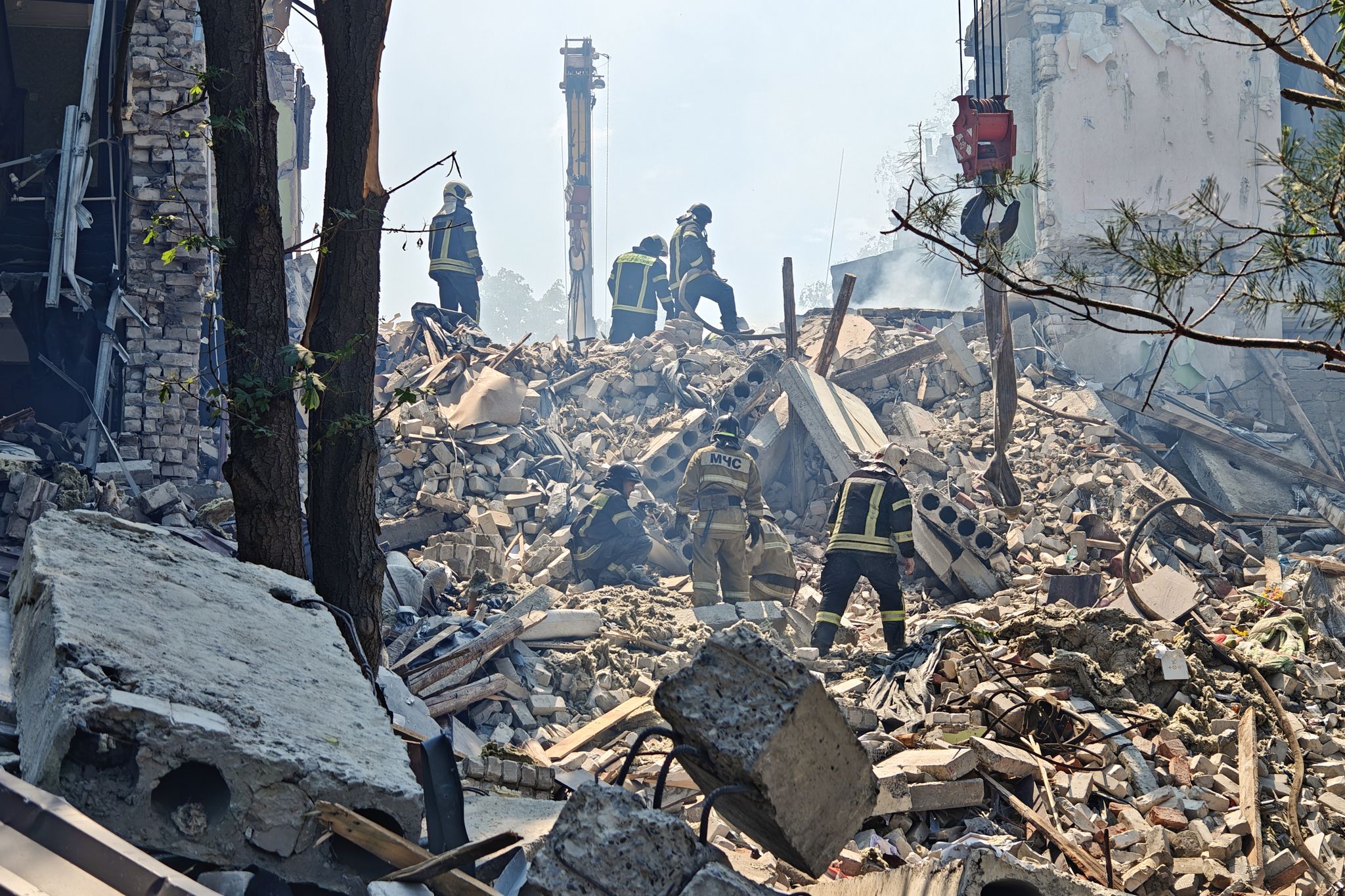
POLICY WIRE — Donetsk, Ukraine — The drumbeat of conflict rarely aligns with reality, and the latest claims from Russian-occupied Ukrainian territories are no different. In a bleak bulletin dropped into the global news cycle, authorities installed by Moscow in what they call the ‘Donetsk People’s Republic’ declared thirteen people dead after Ukrainian shelling. Thirteen lives snuffed out—allegedly by those whose land they once shared.
It’s a nasty piece of business, this war, — and reports from conflict zones are always shrouded in fog. These particular allegations surfaced on Sunday, pinned firmly on Kyiv. Russian state media, predictably, leaped on the narrative: ‘barbaric strikes,’ ‘terror against civilians.’ But folks who’ve covered wars for a long stretch, like us, don’t just take such pronouncements at face value. Never have, never will. Because the truth, you see, often wears different uniforms on different days.
And these reported casualties? They supposedly occurred across various spots, from residential districts to markets—the kind of places where civilians, you know, live and shop. Yet, independent verification in these zones is practically non-existent. International observers can’t get in. What you get instead is a war of words, a battle over blame, running hot alongside the kinetic one. Who really pays the price? Usually, it’s not the politicians doing the talking.
Dmitry Peskov, the Kremlin’s indefatigable spokesman, didn’t waste a second, though, in condemning the alleged acts. “These are heinous acts of aggression, targeting innocent civilians,” Peskov asserted, his voice presumably tinged with an outrage he’s often reserved for Ukraine’s defiance. “The international community must acknowledge this deliberate brutality, but it seems their moral compasses are perpetually skewed when it concerns Russian-speaking populations.” It’s a familiar refrain, one heard consistently since this whole mess began.
Meanwhile, across the frontline, Ukrainian officials painted a drastically different canvas. “Russia invents these fictions for one purpose: to deflect from their own daily atrocities and ongoing illegal occupation,” retorted Mykhailo Podolyak, a senior adviser to President Zelenskyy, known for his unvarnished assessments. “Don’t let them tell ya otherwise. Our military operations target legitimate military objectives. Any civilian harm in occupied areas is either collateral from Russian deployments among civilians or, more often, a direct consequence of their own cynical actions to manufacture a narrative.” He’s right; attribution is key, and it’s always hazy.
But the numbers are, in one grim aspect, undeniable. The UN Human Rights Monitoring Mission in Ukraine (HRMMU) confirmed over 10,000 civilian deaths since the full-scale invasion began, as reported by the Office of the High Commissioner for Human Rights (OHCHR) in November 2023. And that’s just the *confirmed* count. The actual figure? Nobody really knows how many mothers, fathers, — and children have just vanished.
This endless back-and-forth—this he-said-she-said over dead bodies—echoes far beyond Europe’s eastern flank. Countries like Pakistan, for instance, find themselves in a precarious dance. While Islamabad has maintained a relatively neutral stance, it’s deeply impacted by the cascading effects of this war, from global energy prices to food security. They’re trying to walk a diplomatic tightrope, benefiting from Russian oil imports while avoiding overt alignment that might irk Western partners. But claims of civilian massacres, no matter their provenance, just add another layer of pressure, influencing public opinion and making a pragmatic, non-aligned foreign policy tougher to sell back home.
The global south, often seen as mere spectators to these European dramas, feels the squeeze directly. For Pakistan and other Muslim-majority nations, narratives about civilian casualties resonate deeply—particularly when accusations of double standards in international humanitarian law enforcement are so common. It forces their leaderships into uncomfortable positions, mediating between moral obligations — and economic necessities. The reverberations, frankly, are relentless. It isn’t just about Donetsk; it’s about Karachi, Cairo, — and Jakarta too.
What This Means
These disputed casualty claims, unfortunately, don’t break new ground; they simply illustrate the perpetual information warfare underpinning the conventional one. For Ukraine, such accusations, even if unsubstantiated by neutral parties, serve Moscow’s broader goal of painting Kyiv as an aggressor against its own ‘people,’ thus justifying the invasion. It’s a key part of their disinformation playbook. This helps solidify domestic support in Russia and perhaps even sow doubt in the minds of less-informed international audiences. For occupied territories, it means a tighter Russian grip, with increased rhetoric about ‘protecting’ residents from their ‘own’ government.
Economically, the grinding conflict continues its inflationary creep, especially for energy — and foodstuffs. When these types of alleged civilian strikes dominate headlines, they reinforce instability, making investors jittery and prolonging commodity price volatility. This particularly hits nations reliant on imports—like Pakistan, which despite receiving discounted Russian oil, still faces broader global inflationary pressures influenced by the conflict. Every fresh claim, every renewed cycle of blame, contributes to the lingering uncertainty. You can’t expect the global market to simply shrug its shoulders when human lives are supposedly being extinguished like this. Find out more about how global economics are being reshaped by geopolitical tremors in our report on Sudan’s Phantom Justice.
Politically, Kyiv’s response—swift denial, assertion of targeting military infrastructure—is vital for maintaining its image among Western allies. It’s a tough balance: respond robustly but also transparently, if possible. Because every piece of purported evidence from either side is quickly weaponized. Ultimately, these tragic tolls, confirmed or otherwise, mean one thing for sure: the diplomatic pathways to anything resembling lasting peace remain choked, shrouded by smoke and competing truths.