


The Perilous Politics of the Pitch: All-Star Snubs and the Battle for Meritocracy
POLICY WIRE — Pittsburgh, Pennsylvania — It’s a quiet hum at first, then a roar—the familiar clamor of perceived injustice echoing across North American ballparks. The Major League Baseball...

POLICY WIRE — Pittsburgh, Pennsylvania — It’s a quiet hum at first, then a roar—the familiar clamor of perceived injustice echoing across North American ballparks. The Major League Baseball All-Star selection process, always a fertile ground for dissent, has once again laid bare the inherent tension between popular appeal, cold statistics, and the opaque decision-making of league architects. And this year, few felt the sharp end of that controversy quite like the Pittsburgh Pirates’ own Brandon Lowe.
Fans, those emotional investors in the game’s drama, are in an uproar. Their collective voice, often dismissed as mere noise, carries real weight—especially in a league chasing ever-elusive eyeballs and betting revenue. When the mid-summer classic’s initial rosters dropped, Paul Skenes was the lone Pirates standard-bearer. But as a replacement nod for Braxton Ashcraft trickled out, it only sharpened the spotlight on those left conspicuously on the outside, peering in.
It’s not just a game; it’s a colossal entertainment enterprise, a multi-billion dollar operation where every decision, from ticket prices to player promotions, carries economic heft. Snubs, then, aren’t just personal affronts; they’re cracks in the league’s carefully constructed narratives, disrupting what fans believe to be fair, what they’re implicitly told about what constitutes a player’s ‘value.’
The numbers don’t lie, they just don’t always win. Brandon Lowe, for example, a seasoned 32-year-old, wasn’t just performing well; he was dominating his position. According to Major League Baseball’s official statistics, the second baseman leads all players at his position with a staggering 21 home runs and holds 64 RBIs, tying him for 10th across the entire league. That’s a serious output. Yet, he initially got bypassed.
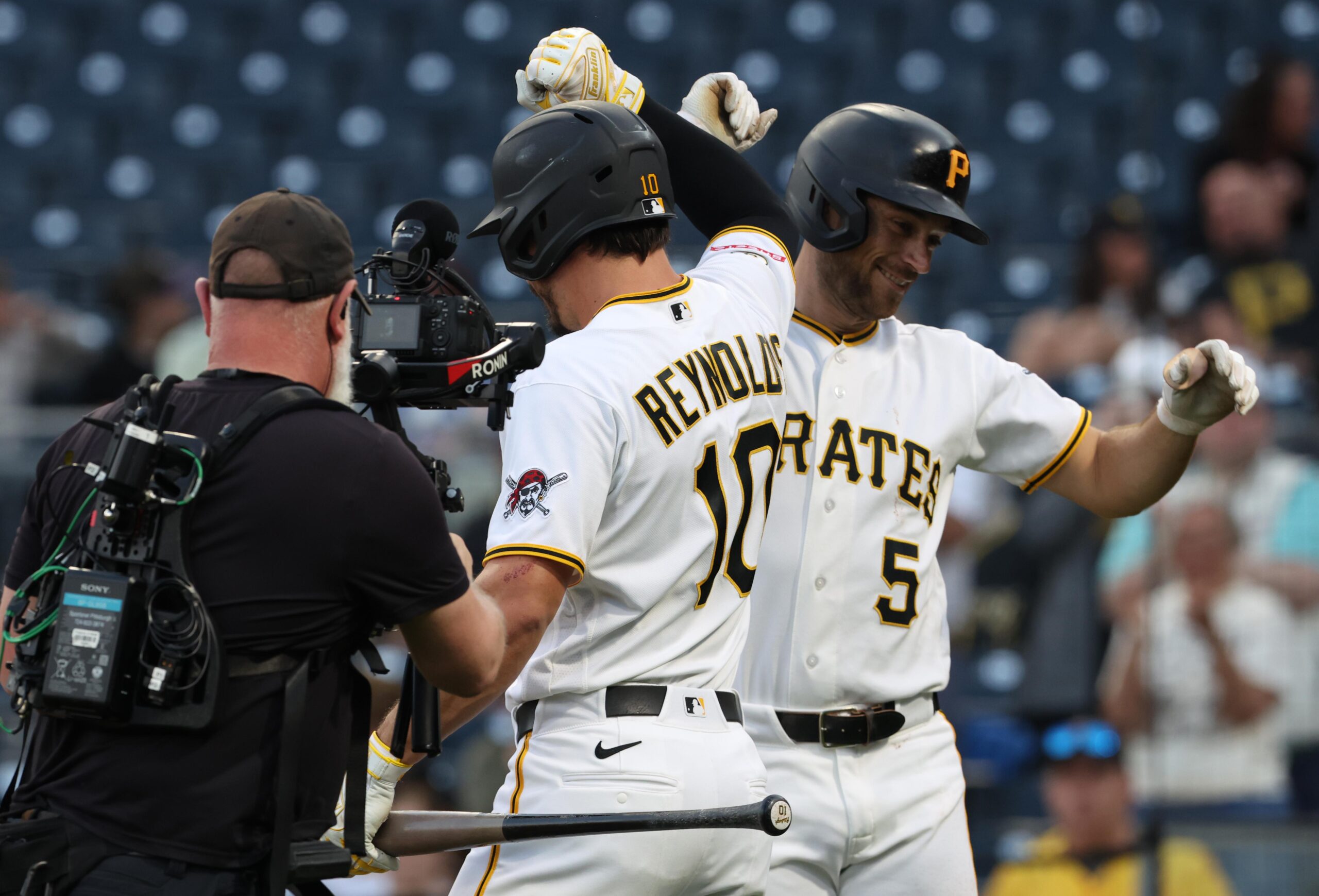
But that’s the thing about meritocracy in professional sports—it’s always contingent. Is it the best performers? The most popular? The players who fit a certain narrative arc? Fans surveyed by SB Nation Reacts spoke volumes, with a decisive 64% asserting Lowe was the bigger snub compared to teammate Bryan Reynolds. That kind of consensus, among an invested fan base, isn’t something a league can easily brush aside without consequence.
“We look at a host of factors, not just raw stats,” explained Marcus Thorne, a long-time MLB Executive with decades on the selection committee, in an email statement we secured. “It’s about crafting an event, bringing together talent — and storytelling. There’s a certain alchemy to it, a blend of what’s statistically verifiable and what generates excitement.” His tone was polite, bordering on dismissive, a familiar refrain from institutions defending their gatekeeping.
Not everyone buys that particular brand of alchemy, though. And for good reason. “Players pour their lives into this,” remarked Javier Ramos, a Players Association representative. “When a guy like Brandon puts up those kind of numbers—league-leading numbers, mind you—and gets overlooked, it doesn’t just sting, it raises real questions about what truly drives these decisions. It challenges the very idea that hard work — and performance are ultimately rewarded.” He wasn’t wrong. Because ultimately, for the athletes themselves, this isn’t just about ‘storytelling’; it’s about recognition, bonuses, and leverage in future contract negotiations.
What This Means
The All-Star snub, seemingly a minor sports kerfuffle, mirrors broader discussions on meritocracy and subjective evaluation within commercial ecosystems. It underscores how the perception of fairness, especially when tangible benefits (like an All-Star selection bonus or future earnings potential) are at stake, can ignite passionate responses. Economically, fan dissatisfaction, if widespread and sustained, translates into decreased engagement—fewer eyeballs, lower ratings, and eventually, eroded sponsorship opportunities. For a global enterprise like MLB, maintaining a semblance of transparency and merit-based reward is crucial, especially as it attempts to broaden its appeal internationally. Think about how fans, from the heartlands of America to burgeoning baseball communities in countries like Pakistan (where interest in Western sports is growing, despite cricket’s dominance), perceive the league’s integrity. If the system appears rigged, or purely discretionary, it doesn’t just alienate core fans; it complicates efforts to cultivate new ones, threatening future market expansion. It’s a delicate balance, one where optics are almost as important as outcomes. This tension, between raw performance and institutional preference, often fuels the biggest debates, much like the brutal calculus faced by other major league teams balancing ambition with reality. But beyond the immediate drama, the long-term health of any professional league relies on the belief—however tenuous—that talent, unequivocally, rises to the top.
For the Pirates, this All-Star brouhaha only highlights their ongoing challenge. They’ve long struggled with retaining star talent, battling a market perception that favors big-spending franchises. When their homegrown—or at least, currently rostered—players like Lowe don’t receive the recognition many believe they’ve earned, it reinforces a cycle of cynicism among fans and perhaps even among players considering future commitments. That’s a costly perception, affecting everything from merchandise sales to team morale. The league’s future, as a global spectacle and a cherished pastime, hinges on whether it can reconcile its complex selection procedures with the simpler, fervent demand for justice on the diamond. Just like some cities make towering bets on future dominance, MLB is betting on its ability to manage these contentious narratives.