
World Cup’s Last Quartet: Beyond the Pitch, a Geopolitical Game of Nerves
POLICY WIRE — Doha, Qatar — There’s a particular kind of alchemy that transforms a simple game of twenty-two individuals kicking a ball into a global obsession—a potent blend of national pride,...

POLICY WIRE — Doha, Qatar — There’s a particular kind of alchemy that transforms a simple game of twenty-two individuals kicking a ball into a global obsession—a potent blend of national pride, unfathomable commerce, and the raw, unscripted drama only live sport delivers. But as the World Cup hurtles toward its climax, boiling down to just four titans, the margins aren’t just fine; they’re virtually invisible, sliced thinner than a politician’s campaign promise. For France, Spain, England, — and Argentina, it isn’t simply about tactics or individual brilliance anymore. It’s about enduring the kind of pressure that would buckle lesser nations (or at least, their treasuries).
No, we’re not just talking about which side can outwit the other on a rectangle of manicured grass. We’re dissecting the colossal soft-power plays, the national narratives being forged, and the untold billions riding on every whistle and deflection. Because frankly, when four past champions—all formidable forces in their own right, each having graced multiple major finals this past decade and a half—remain standing, the casual fan sees a contest. We, however, observe a macroeconomic indicator. An emotional lightning rod. And sometimes, even, a proxy battle for something much larger.
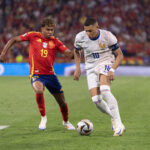
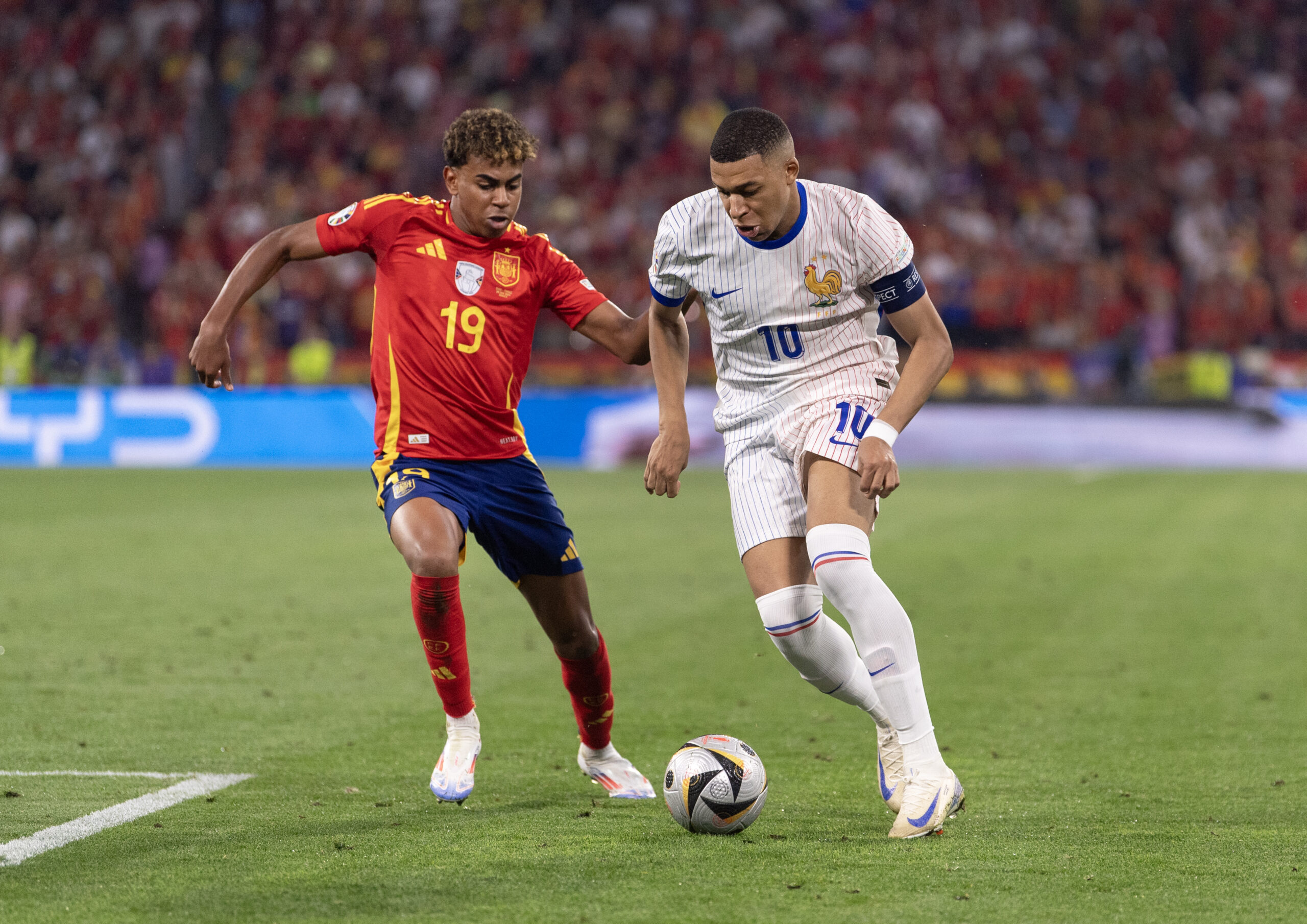
France, the reigning monarch of international football, has, for the majority of this tournament, embodied a kind of chilling, surgical efficiency. Their 2-0 quarterfinal dispatch of Morocco wasn’t a shocker, but rather a masterclass in tactical adaptability. Losing the possession battle, an uncommon sight for Les Bleus, seemed to bother them not at all. They just leveraged the gaps Achraf Hakimi left — an almost too-obvious gambit with Kylian Mbappé lurking, but effective nonetheless. “France’s ability to pivot its strategy mid-game, maintaining a stoic facade while dismantling opposition, reflects an institutional maturity rarely seen in sports,” remarked Jean-Pierre Dubois, FIFA’s Head of Tournament Operations, a man usually quite keen on diplomatic platitudes.
Spain, though. They’re a different animal, built on an almost religious adherence to ball retention — and defensive rigidity. They’ve allowed the joint-fewest goals (just one, folks) and clocked the lowest shot quality against them at 0.05 xG per shot, according to a recent analysis by Global Football Insights. This suffocating press, often initiated high up the pitch, means a staggering 56 percent of their possessions kick off in the middle or attacking third – highest among the quarterfinalists. It’s a system, really. A beautiful, methodical system. “The Spanish philosophy isn’t just about winning; it’s about control, a relentless pursuit of total dominance on the pitch,” opined a rather breathless Dr. Aisha Kamal, Pakistan’s Minister for Youth Affairs — and Sports, a noted fan, from Islamabad this past week. She added, rather pointedly, “That’s a lesson many countries, not just football teams, could learn.”
And England, perennial hopefuls, have shed the albatross of their own history with a dogged resilience. They’ve ground out three one-goal victories in a row through the knockouts. At some point, you stop calling it luck — and start calling it character. Manager Gareth Southgate (let’s face it, no one calls him Thomas Tuchel) seems to have tapped into something beyond individual talent. He’s got Harry Kane and Jude Bellingham—two undeniable match-winners—but the real story is their collective capacity to suffer, adjust, and triumph. They found ways against Congo DR’s low block; they dug in against Mexico down a man. Argentina’s Lionel Messi is, of course, a riddle wrapped in a genius. But England’s superior aerial presence, particularly with Harry Kane’s prowess and Bellingham’s growing stature, promises to be a nuisance for La Albiceleste.
Then there’s Argentina. They almost replicated England’s one-goal winning streak, but Lautaro Martínez changed that against Switzerland. They boast 16 non-penalty goals, a tournament high, but their 10.4 expected goals raise a few eyebrows – suggesting a touch of fortune or sheer individual magic at times. What’s more, they lack explosive wingers, sending in a paltry 78 crosses over six games. It indicates a team that sometimes struggles for width, forced to navigate the clogged arteries of central defense. But—and it’s a colossal but—they possess Messi. The intangibles. The belief, the sheer, unadulterated passion. You can’t put that on a spreadsheet, can you? Across South Asia and the broader Muslim world, particularly in countries like Pakistan where football enjoys fervent followings despite cricket’s dominance, the passion for Messi often eclipses team loyalties. He is, for many, the ultimate embodiment of individual genius triumphing over collective might, a narrative that resonates deeply across diverse cultures.
What This Means
This final quartet isn’t merely about who lifts a gilded trophy; it’s a geopolitical ballet disguised as a sporting event. Each team’s progression—or failure—will echo through their respective national psyches, influence consumer spending (we’re talking untold merchandising and tourism here), and even recalibrate perceptions of national soft power. Spain’s systematic brilliance reflects a broader European desire for structured governance; France’s pragmatic dominance mirrors its enduring global influence. England’s grit, a metaphor for its post-Brexit resilience, albeit one often tested. And Argentina’s reliance on Messi? Well, that’s the narrative of a nation perpetually looking to a charismatic, almost mythical figure to transcend adversity. A win isn’t just a win. It’s an affirmation of national identity, a commercial windfall, and potentially, a minor diplomatic coup in the grand scheme of things. And when hegemonic ambitions are at play, even a soccer match becomes a matter of considerable political economy, echoing through global media long after the final whistle.