


The Brutal Ballet: How Modern Gladiatorial Combat Masks Deeper Global Realities
POLICY WIRE — Washington D.C. — You don’t often find a global financial analyst scrutinizing pay-per-view metrics with the same intensity usually reserved for commodity futures. But then, mixed...

POLICY WIRE — Washington D.C. — You don’t often find a global financial analyst scrutinizing pay-per-view metrics with the same intensity usually reserved for commodity futures. But then, mixed martial arts—the ultimate, hyper-commercialized individual spectacle—isn’t just a sport anymore. It’s a bellwether, a global distraction, and a shockingly potent economic engine, particularly in emerging markets where viewership numbers tell a tale far richer than any pre-fight trash talk.
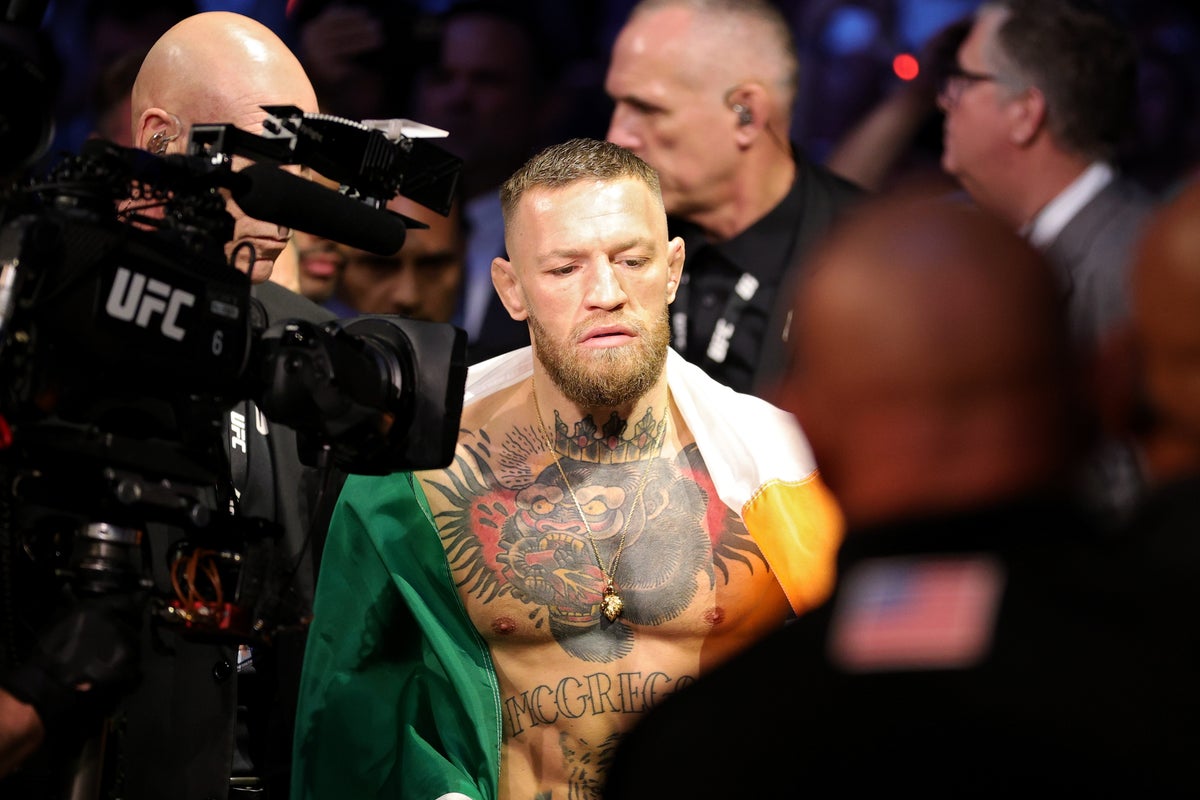
This weekend’s headline fight, the so-called ‘rematch 13 years in the making’ between Conor McGregor and Max Holloway at UFC 329, isn’t simply a tale of two formidable fighters. It’s a high-stakes bet on human endurance and, frankly, on how long the public’s fascination with meticulously brutalized bodies can sustain a multi-billion-dollar enterprise. We’re talking about an industry that, according to a 2023 Deloitte Global Sports Market Outlook, is projected to command over $5 billion globally by year’s end.
McGregor, the enigmatic Irishman whose last cage appearance ended in a horrifying leg break three years ago (not five, mind you, as some might casually recall, but 2021—time does fly when you’re not getting your limbs snapped), stands at the precipice of either an astonishing resurrection or a final, ignominious exit. His opponent, Max Holloway, despite a recent setback, remains a technician, a relentless force, and certainly doesn’t fit the ‘rebound fight’ mold. It’s a genuine risk for all involved.
But the true contest isn’t just within the Octagon. It’s also playing out in living rooms and sports bars across continents, including in burgeoning markets like Pakistan, where a younger demographic, increasingly plugged into global digital trends, consumes such events with an insatiable hunger. This isn’t without its policy implications. Regulators grapple with the ethics of promoting a sport with inherent dangers, even as governments eyeing potential revenue streams might view the spectacle differently. And frankly, it’s a difficult tightrope to walk.
“We’re constantly evaluating the fine line between popular entertainment and fighter welfare,” offered Eleanor Vance, an official with the Global Athletic Commissions Federation, during a recent closed-door briefing. “It’s not simple, not when there’s this much capital changing hands.” She’s right, it isn’t. You can’t just dismiss something that grips so many, especially when its appeal spans diverse cultures.
This bout, scheduled for Saturday 11 July at the T-Mobile Arena in Las Vegas, is operating at welterweight—a full two divisions above Holloway’s accustomed featherweight—a curious tactical maneuver for McGregor, who’s no stranger to strategic weight shifts. That puts Holloway, a true featherweight legend, at a significant size disadvantage. The main card’s stacked, too, with Britain’s Paddy ‘The Baddy’ Pimblett aiming to right his ship after a controversial decision loss, squaring off against the notoriously unforgiving Benoit Saint-Denis. They’ve assembled quite the menu for us, haven’t they?
Because ultimately, this is entertainment, packaged — and sold at a premium. And let’s not forget the financial undercurrents. Tickets for these events go for small fortunes. Pay-per-view buys can number in the millions globally. This economic powerhouse draws investment, drives tourism to cities like Vegas, and fuels an entire ecosystem of ancillary industries—betting, merchandising, content creation, you name it. It’s truly a complex machine.
But isn’t it curious how we often gravitate towards the raw, primal energy of combat when the geopolitical landscape feels more unpredictable than ever? It’s a question worth pondering. As Dr. Arshad Khan, a cultural sociologist specializing in South Asian media consumption, dryly noted, “These spectacles offer a peculiar blend of catharsis and distraction. People often prefer watching a contained, definitive clash to grappling with unresolvable international tensions. It’s less messy, you see. There’s a winner, a loser, an ending—unlike, say, a persistent regional conflict or Sri Lanka’s ongoing socio-economic woes.”
What This Means
The continued explosion of combat sports, typified by this weekend’s blockbuster, signifies more than just fleeting entertainment. For policy makers and economists, it’s a rapidly growing segment of the global entertainment economy, offering significant fiscal opportunities—and equally significant regulatory challenges. Nations are increasingly asking whether to embrace the lucrative potential or resist what some view as the moral compromises of a ‘blood sport’. For example, how do you balance fighter safety regulations with the often brutal realities that draw audiences? How do you account for its magnetic pull on demographics previously disengaged from traditional sports? the sport’s ascent in regions like South Asia suggests a changing cultural appetite, one that’s open to globalized, often Western-produced content, which can both drive cultural exchange and raise questions about indigenous entertainment forms. It’s also a striking parallel to the economics of other physically punishing sports, mirroring the intense physical toll seen in contexts like American football’s brutal economic model. It isn’t just about punches; it’s about power dynamics, capital, — and global influence.
UFC 329 isn’t just a sports fixture; it’s a policy observation. A potent reminder that human drama, commercialized and televised, remains one of the world’s most consistent—and least predictable—exports.