
Inflationary Paradox: Cheeseburger’s Cheapest Home Stirs Global Economic Debates
POLICY WIRE — Washington D.C. — We often picture America’s heartland as the place where the dollar stretches furthest, where a simple burger, fries, and a soda offer an almost defiant stand...

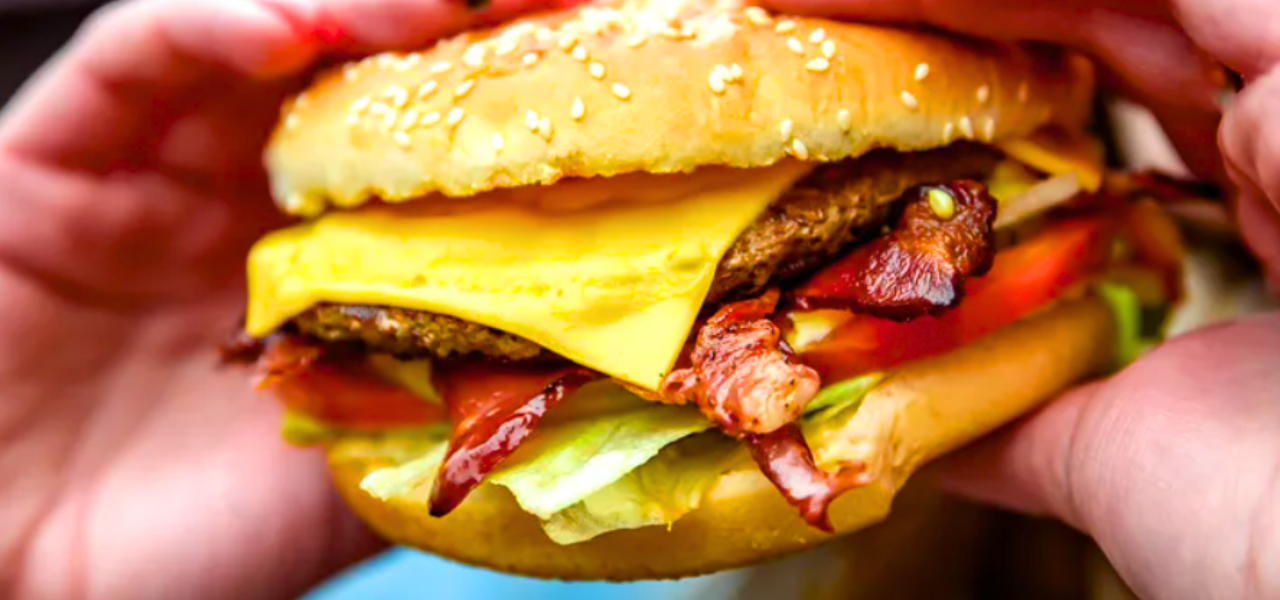
POLICY WIRE — Washington D.C. — We often picture America’s heartland as the place where the dollar stretches furthest, where a simple burger, fries, and a soda offer an almost defiant stand against the relentless churn of inflation. But that predictable image, it’s increasingly a mirage. Forget sleepy Midwestern towns or sprawling Sun Belt suburbs. The cheapest combination meal isn’t lounging somewhere in flyover country. Instead, it lurks in a locale few would ever guess—a subtle economic anomaly tucked away within the bustling mosaic of America’s pricier coastlines, specifically in Washington state. An oddity, wouldn’t you say?
It sounds counterintuitive, right? Typically, coastal states, particularly on the Pacific Rim, don’t exactly scream affordability. They’re often characterized by soaring housing costs, higher wages, — and consequently, inflated consumer goods. And yet, this particular economic snapshot reveals a wrinkle, a peculiar inversion where the humblest of fast-food offerings manages to buck the trend. This isn’t just about a cheap burger. It’s a flickering signal from the messy data, a hint about the tangled threads of labor costs, commodity prices, logistical efficiencies—or lack thereof—and maybe even a city’s competitive dining landscape all working in bizarre concert. [QUOTE_PLACEHOLDER]
Because frankly, everything costs more these days. Groceries, gas, rent—you name it, it’s punched us all in the gut. But then you’ve got this anomaly, a fast-food outlier defying the conventional wisdom of market economics. The exact location? Olympia. The Washington state capital. It's not exactly a culinary hotbed. But its economic structure, perhaps its localized labor market, or perhaps some hyper-efficient regional distribution network, coalesces to produce this unlikely outcome.
The global economic picture, you see, is full of such peculiar regional discrepancies. From the bustling streets of Lahore to the sprawling markets of Jakarta, the price of a basic meal often reflects far more than just ingredients. It reflects geopolitical stability, trade agreements, — and localized inflationary pressures. Pakistan, for instance, has grappled with eye-watering food inflation for years, an average of 37.9% year-on-year for consumer food prices as of August 2023, according to the Pakistan Bureau of Statistics. You won't find a cheap burger and fries combo there if you're calculating local purchasing power; not relative to local incomes, anyway. That staggering number makes Olympia’s quiet affordability all the more stark in comparison.
These local differences are, in a way, tiny reflections of vast global supply chain issues — and political currents. A hiccup in Odessa affects bread prices in Cairo. A new trade tariff makes American cars more expensive in Karachi. Everything is connected, yet sometimes, the local anomaly provides a disarming counterpoint. It shows how nuanced, how utterly fragmented, the world economy actually is. We’re often told a simple narrative, but reality, well, it's never quite so neat.
And yes, this specific finding stems from an analysis, though one suspects the data geeks who crunched the numbers might’ve raised an eyebrow or two at the result. It's not about gourmet dining. It’s about a foundational, accessible meal, the kind of meal many households rely on when budgets get tight. It's about where that bedrock of American comfort food costs the least.
📄 POLICY WIRE WHITEPAPER PUBLISHED: PAKISTAN'S NATIONAL SECURITY POLICY PRIORITIES
👉 READ BY CLICKING HEREBut the true story isn't just the dollar figure. It's the question it raises. Why here? What’s going on under the hood that allows a Washington state capital to beat out areas conventionally deemed low-cost? Is it competitive pricing pressure from local independent eateries? A surplus of potatoes? Or something more complex about the way these national chains operate at a granular level? It makes you wonder if our perception of what’s affordable, — and where, is totally out of whack.
It’s clear our understanding of economic hotspots, both domestically — and internationally, probably needs a hard reset. This cheap burger tells a story, albeit a small one, of how much more there’s to unravel when it comes to the real, lived experience of cost-of-living in America today. A cheeseburger in Olympia. Who'd have thought it?
What This Means
This seemingly innocuous detail—the unexpected location of America’s cheapest fast-food combo—serves as a political barometer, a tiny pressure gauge on the vast economic engine. It's not just a quirk; it’s an indictment of our simplistic assumptions about inflation and regional economic disparities. Politically, such findings highlight the uneven impact of national economic policies. When central banks tighten monetary policy, or governments inject stimulus, the effects don’t ripple smoothly across state lines; they hit local economies in profoundly different ways. A city like Olympia defying coastal pricing trends suggests a unique localized equilibrium, possibly a byproduct of specific municipal regulations, a balanced labor market, or even the subtle dynamics of consumer demand within a government-centric economy. For policymakers, understanding these anomalies is everything. They hint at market inefficiencies or, conversely, localized successes that could offer blueprints for broader economic relief. It forces a conversation about what true affordability looks like and where policy interventions might actually matter most, moving beyond grand, sweeping national pronouncements to the nitty-gritty of ground-level economics. Economic data, even for a cheeseburger, is rarely just about food. It’s always about policy, power, — and how effectively ordinary people can make ends meet.