


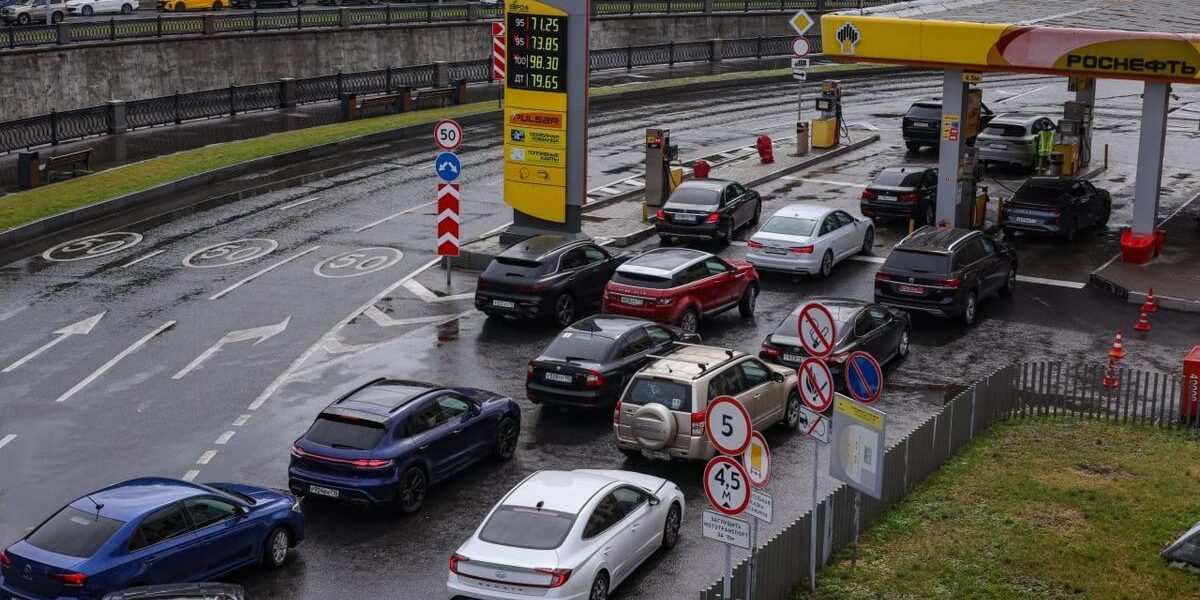
Russia’s Diesel Ban Roils Global Energy Markets
POLICY WIRE — Russia's recent decision to ban diesel exports has significantly impacted global energy markets, leading to price increases in Europe and the Unit...

POLICY WIRE — Russia’s recent decision to ban diesel exports has significantly impacted global energy markets, leading to price increases in Europe and the United States. This measure exacerbates existing shortages of the industrial fuel and poses a threat to sectors including agriculture, power generation, and transportation, according to market reports.
The ban, implemented this week, has caused prices to surge even in nations that no longer procure diesel from Moscow. Analysts indicate that diesel constitutes the largest portion of global oil consumption. Consequently, rising diesel prices can create ripple effects throughout the global economy due to the fuel’s extensive applications, which range from industrial machinery and farm equipment to heavy transport and electricity generation.
The global diesel supply has experienced tightness for several years. This condition is attributed to robust post-pandemic demand and reductions in output resulting from refinery closures in Western countries. Further strain on the market has been observed due to the ongoing conflict in Iran, reports suggest.
Russia holds the position of the world’s second-largest diesel exporter, trailing only the United States. Outages at Russian refineries can therefore substantially influence global fuel supplies. Prior to the export ban, Russian diesel exports were already experiencing a slowdown. This reduction was a consequence of domestic shortages, which were reportedly caused by Ukrainian drone attacks.
Specific data from Kpler indicates that diesel and gas oil loadings from Russia amounted to 234,000 barrels per day (bpd) between July 1 and July 10. This figure represents a decrease from 400,000 bpd recorded in June and is significantly below the 2025 average projection of approximately 817,000 bpd.
📄 POLICY WIRE WHITEPAPER PUBLISHED: PAKISTAN'S NATIONAL SECURITY POLICY PRIORITIES
👉 READ BY CLICKING HEREAdditional pressure on the diesel supply chain emerged just hours after Russia’s export ban announcement on Wednesday. A new series of US attacks on Iran revived concerns regarding vessel movements through the Strait of Hormuz and the potential impact on Middle Eastern exports. Concurrently, US government data, also released on Wednesday, showed a draw of more than 4.5 million barrels of diesel from inventories last week. As of July 3, US diesel inventories stood at 97.8 million barrels, which is 6 percent below the five-year average.
The confluence of Russia’s export restrictions, pre-existing supply constraints, and geopolitical developments underscores a strained global energy market. The sustained high prices and potential for further disruptions present ongoing challenges for industries reliant on diesel fuel worldwide.