


Santa Fe’s Concrete Carnival: Police Tackle Reckless Drivers as Public Safety Hangs in Balance
POLICY WIRE — Santa Fe, N.M. — It wasn’t the roar of bulls at the Rodeo De Santa Fe that echoed across New Mexico’s capital last week. Instead, it was the screech of tires—a stark, public...

POLICY WIRE — Santa Fe, N.M. — It wasn’t the roar of bulls at the Rodeo De Santa Fe that echoed across New Mexico’s capital last week. Instead, it was the screech of tires—a stark, public display of youthful bravado challenging urban order. Local authorities, perhaps weary of the ceaseless cat-and-mouse game on the city’s roadways, finally laid hands on two individuals whose alleged automotive acrobatics threatened to turn civic thoroughfares into personal racetracks.
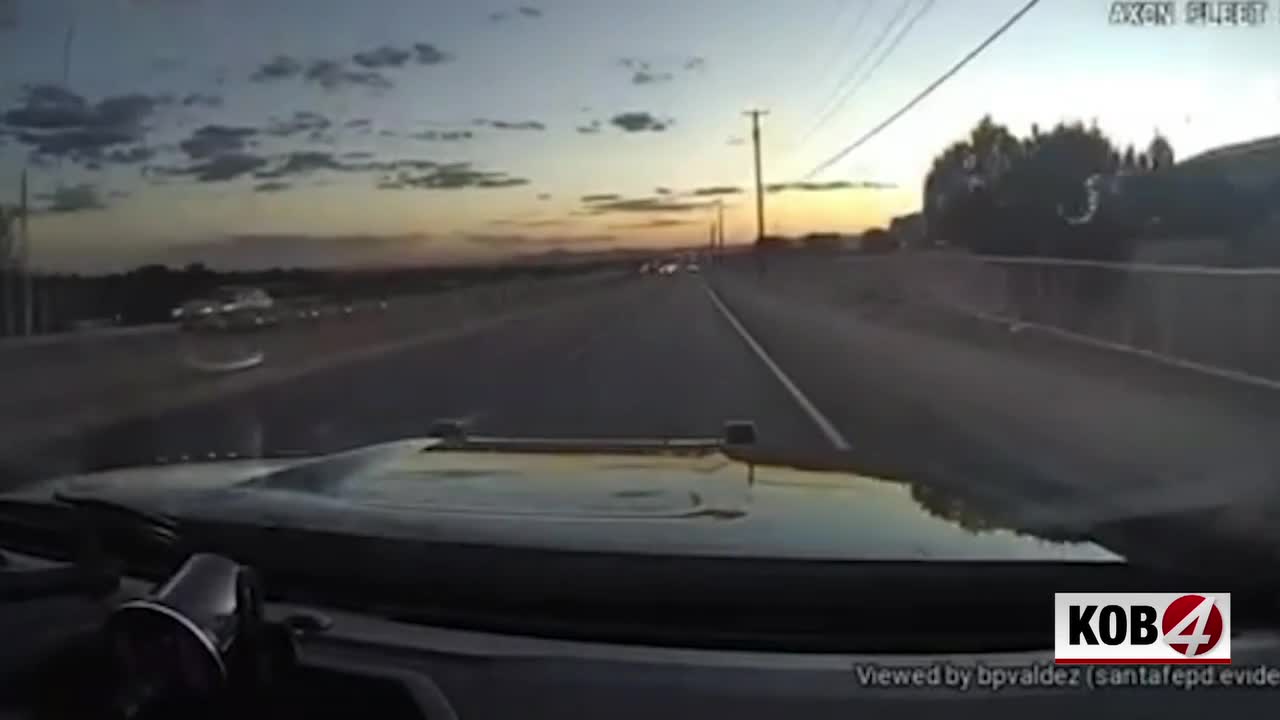
It’s a story as old as the internal combustion engine itself, yet perennially fresh in its local iteration. This time, the drama unfolded near the Rodeo De Santa Fe, where Santa Fe police released footage, capturing a momentary victory in the endless campaign against wanton motoring. Daniel Maes, 22, and Dayana Torres, 23, found themselves on the wrong side of the law, caught in an act that authorities characterized with familiar, unflinching precision: reckless driving and racing on the streets. [QUOTE_PLACEHOLDER]
The incident itself might seem minor—two arrests among countless daily skirmishes between law enforcement and an indifferent populace. But don’t misunderstand; these aren’t isolated acts of folly. They’re symptoms, little cracks in the urban veneer exposing deeper issues about enforcement, societal norms, and the ever-present thrill-seeking impulse. Santa Fe’s quiet streets, famed for their adobe charm, are not immune to the pervasive culture of competitive, high-speed exhibitionism that plagues metropolitan centers everywhere. It’s an affliction, really—a costly one, too, for taxpayers, emergency services, and unfortunate bystanders alike. Law enforcement agencies across the United States respond to millions of traffic incidents annually, with reckless driving being a consistent factor in over 30% of serious crashes, according to national transportation safety organizations. That’s a lot of metal, a lot of tears, — and a whole lot of money.
Police officers were stopping two people they believe were racing each other, a scene that plays out, tragically, with monotonous regularity. These arrests, while localized, spotlight a national headache. Resources stretched thin, personnel overtaxed, battling a seemingly endless wave of automotive defiance. It’s not just about two drivers; it’s about the fabric of public safety—it’s about how much havoc we’re collectively willing to tolerate on our shared asphalt. The consequences? They extend far beyond a hefty ticket or a night in county jail. Someone’s livelihood could be gone in a flash, someone’s life—over. These are stakes that aren’t hypothetical; they’re brutally real.
And so, officers arrested for reckless driving — and racing on the streets Mr. Maes and Ms. Torres. But it isn’t just America that grapples with such vehicular excesses. You know, you see similar struggles for urban order and traffic management in rapidly expanding cities across the globe. Consider Karachi, Pakistan, where an explosive surge in population and vehicle ownership strains existing infrastructure and enforcement mechanisms to their absolute limits. There, a vibrant youth culture, fueled by social media trends and the lure of quick thrills, also finds outlets in informal street contests, pushing the boundaries of what’s acceptable on public roads. The dynamic of young drivers, powerful cars, and the quest for social media notoriety or peer admiration—it’s surprisingly transnational, a common thread from Santa Fe to Lahore, from small town American rodeos to bustling Asian thoroughfares. The specifics differ, sure, but the underlying challenge for police and civic authorities to maintain public order against the tide of individual thrill-seeking remains strikingly similar across diverse cultural landscapes. They’re all dealing with it.
It boils down to more than just individual misconduct; it’s a policy conundrum. Do we need stiffer penalties? More aggressive enforcement, more widespread surveillance? Or do we, as a society, need to invest more in constructive outlets for youthful energy, alternatives that channel that drive into something less destructive than the potential for catastrophe on a public highway? The dialogue surrounding these incidents can’t be limited to punitive measures alone. We’ve got to dig deeper.
What This Means
This incident, albeit minor in the grand scheme, provides a useful lens through which to view several systemic issues. Economically, repeated street racing incidents—and their often-catastrophic outcomes—don’t just impose direct costs via emergency response and property damage. They also erode public trust in safety, potentially depressing local business activity in affected areas and creating a generalized anxiety among residents. There’s a subtle but palpable hit to civic vitality when folks don’t feel safe driving to the store or letting their kids ride bikes.
Politically, the constant cat-and-mouse between law enforcement and groups engaged in street racing raises questions about police funding and training. Do our police forces, often burdened by increasing administrative tasks and calls for service unrelated to violent crime, possess the specific resources and tactical expertise to effectively deter and apprehend these kinds of drivers without escalating already dangerous situations? It’s a tricky balance, because overreach could spark community backlash, but under-enforcement allows a dangerous free-for-all. It also signals a broader disconnect between state authority and certain segments of the populace who feel detached from or disenfranchised by conventional civic structures. That disconnect—that feeling of being unbound by rules—isn’t limited to our sunny southwestern cities. We see it playing out on different stages in countries like Pakistan, where public skepticism about institutions and the prevalence of a powerful ‘strongman’ culture in local enclaves often make rule-following a negotiable concept. Ultimately, these Santa Fe arrests aren’t just local news; they’re a tiny but resonant bell in a much larger, global conversation about law, order, and what we all owe each other on the roads we share.