

Octagon’s Hard Calculus: UFC 329’s Human Cost Amidst Global Spectacle
POLICY WIRE — Las Vegas, Nevada — The desert city’s neon heartbeat thrummed, not with the typical clatter of casino chips, but with the bone-jarring impact of flesh on flesh. Another UFC main...

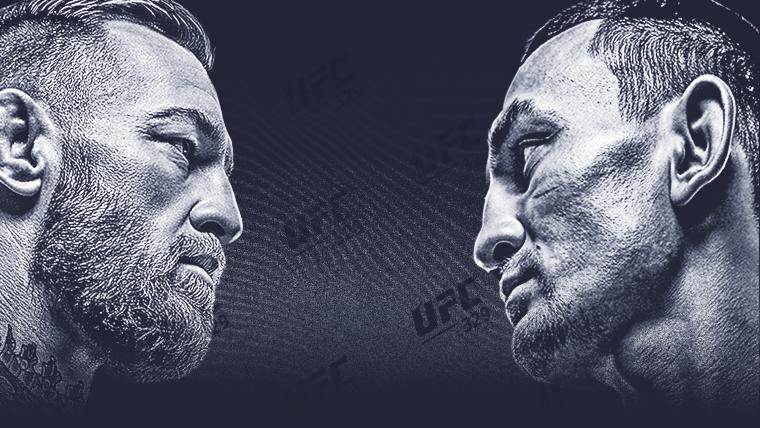
POLICY WIRE — Las Vegas, Nevada — The desert city’s neon heartbeat thrummed, not with the typical clatter of casino chips, but with the bone-jarring impact of flesh on flesh. Another UFC main event—Conor McGregor’s much-hyped return—sucked all the air out of the room. Yet, beneath the familiar bluster and theatrical entrances, UFC 329, like every card before it, served as a stark reminder: this isn’t just sport. It’s a ruthless, bare-knuckle economic engine, propelling a global entertainment juggernaut that often chews up and spits out its most dedicated participants. We don’t always look beyond the main event’s shine, but the narratives etched in blood across that canvas are more complex, more brutal.
It’s easy to focus on McGregor, sure. He’s the main attraction. The marquee name. But while pundits were fanning themselves over the Irishman’s showdown with Max Holloway (a bout that concluded with McGregor securing a hard-fought unanimous decision: 48-47, 49-46, 49-46, underscoring the relentless skill both men bring), the undercard offered its own, less glamorous lessons. Take Brandon Royval, for instance. He navigated the grueling three rounds against Lone’er Kavanagh, eventually cinching a submission win late in the third. It wasn’t flashy, perhaps, but it highlighted a grinding persistence—a quality often undervalued in a world obsessed with KOs. For every McGregor, there are dozens like Royval, clawing their way up, paycheck by precarious paycheck. Their stories are ones of sheer, brutal economic persistence.
And it’s this brutal economics that really sets the stage. UFC President Dana White, never one to mince words, was typically bullish. “Look, we’re selling out arenas worldwide,” he declared backstage, a grin plastered across his face that spoke volumes about revenue streams. “People want to see these guys fight. It’s global. It’s exciting. It’s a business, yeah, but it’s the business.” White, of course, isn’t wrong. The UFC’s revenue hit an estimated $1.3 billion in 2023, a staggering 20% increase from the previous year, according to a recent Sports Business Journal report. It’s an expanding empire built on carefully cultivated spectacles.
Because the sport’s global reach isn’t just about North America or Europe anymore. That reach stretches deep into unexpected corners. From the bustling streets of Lahore to the desert expanses of Dubai, there’s a rapidly growing appetite for this intense brand of combat. In Pakistan, for instance, combat sports like boxing and wrestling have long traditions, making MMA a natural—and increasingly popular—transition for young athletes seeking fame and fortune. They’re tuning in, creating fan communities. This shift isn’t lost on regional policymakers. “We see the UFC as a powerful tool for engaging our youth, offering them an avenue for discipline and aspiration,” remarked Dr. Omar Bashir, Pakistan’s Minister for Youth Affairs — and Sports, during a recent virtual conference. “It inspires many here; they see a path, a challenging path, but a possible one, for their futures.” It’s about more than just entertainment; it’s about exporting a vision of athletic capitalism. Paddy “The Baddy” Pimblett’s controversial loss to Benoit Saint Denis, which many saw as a gritty, closely fought decision that could’ve gone either way, simply fuels the drama, adding another layer to the narrative for audiences worldwide, including those in South Asia.
📄 POLICY WIRE WHITEPAPER PUBLISHED: PAKISTAN'S NATIONAL SECURITY POLICY PRIORITIES
👉 READ BY CLICKING HEREThe fight card itself played out a collection of these miniature dramas. Cory Sandhagen, a technically brilliant fighter, found himself on the wrong side of a unanimous decision against Mario Bautista, illustrating how fine the margins are. King Green, defying Father Time and the inherent cynicism of fight fans, delivered a shocking TKO over Terrance McKinney right at the bell in the first round. It was a highlight reel moment, yes, but for every winner, there’s a loser whose immediate future grows considerably darker. That’s the unforgiving truth of it.
What This Means
The latest UFC card, seemingly just another Saturday night spectacle in Vegas, signals more profound implications about the commodification of raw human effort and global soft power. The continuous expansion of the UFC into new markets, especially digitally, indicates a broadening demographic willing to invest in stories of struggle and triumph. This isn’t merely about sporting preference; it’s about an economic model where individual bodies are leveraged for vast corporate profits, often with limited long-term security for the athletes themselves. It raises persistent questions about fighter pay, intellectual property rights concerning their public personas, and the sustainability of a sport that demands such an extreme physical toll. But don’t expect this momentum to slow; the appetite for visceral spectacle is seemingly insatiable. And for emerging economies in South Asia and beyond, the sport represents not just entertainment, but a tantalizing, albeit distant, dream of global recognition and wealth, transforming these events into cultural and aspirational touchstones for millions of young people.