


Likud’s Political Jenga: Another Bloc Falters Amidst Shifting Sands
POLICY WIRE — Jerusalem, Israel — The hum of the Knesset is usually a discordant symphony, but lately, it’s sounded more like a drum solo – each beat emphasizing cracks in the coalition’s...

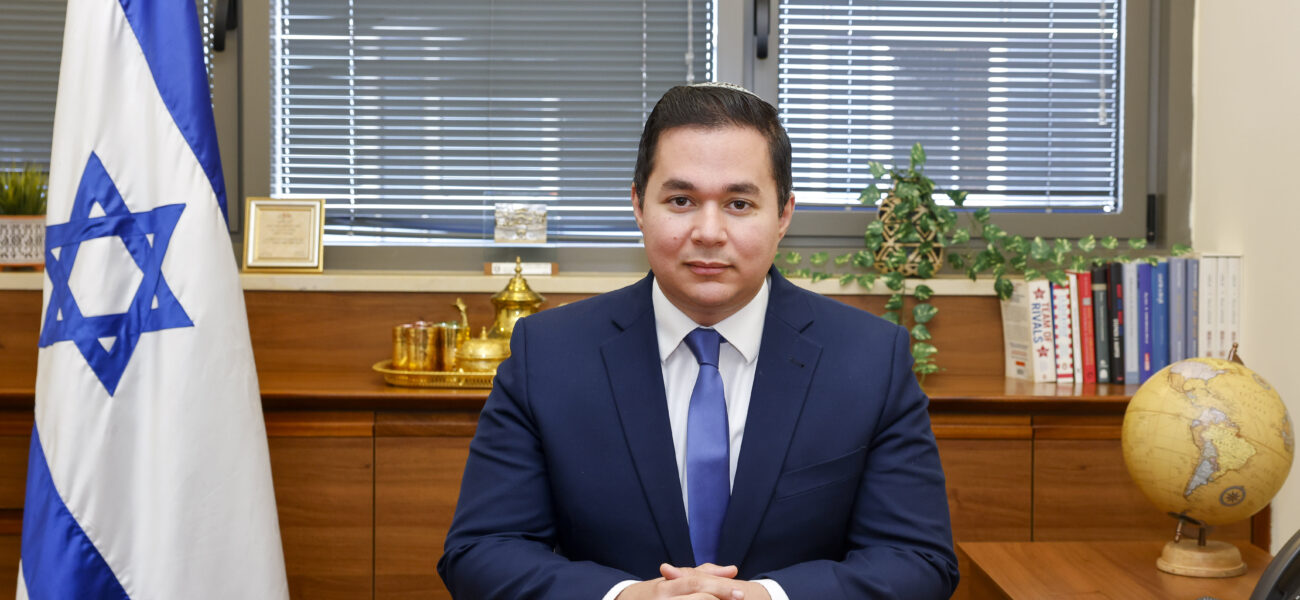
POLICY WIRE — Jerusalem, Israel — The hum of the Knesset is usually a discordant symphony, but lately, it’s sounded more like a drum solo – each beat emphasizing cracks in the coalition’s foundation. Yesterday’s rumblings about MK Dan Illouz readying to jump ship from Likud, a move expected to be formalized, weren’t just another item on the daily political docket; they felt like a particularly ill-timed loose plank in Benjamin Netanyahu’s precariously balanced government. And folks, that sort of thing doesn’t just happen because someone woke up on the wrong side of the bed. No, this suggests some significant pressure has been building up underneath.
It’s never just about one lawmaker. A politician isn’t an island, even in this tempestuous Israeli political ocean. But Illouz’s decision, if confirmed – and all signs point that way – highlights a recurring drama playing out in Israeli politics, which feels like a perpetual state of flux. It’s a bit like watching a long-running, intensely dramatic television series where you just know a major character is going to get written off every other season, sending everyone into a tizzy. [QUOTE_PLACEHOLDER]
The murmurs from Jerusalem whisper of dissatisfaction— a sense that his voice isn’t being heard, an aide, speaking anonymously, stated earlier. And who among us hasn’t felt that at some point, politically or personally? But when it’s an elected official saying it about their own party, that’s not just a personal lament; it’s a structural flaw being exposed. This is happening amidst escalating internal disagreements, we hear, particularly those nagging arguments about judicial reforms and the unrelenting conflict that demands an enormous portion of Israel’s national budget.
An aide suggested a fresh direction for both the party and the country is needed. It’s a polite way of saying the current direction just isn’t cutting it for everyone under the big Likud tent. This expected departure isn’t occurring in a vacuum, you know. Back in 2023, voter turnout for the most recent general election hovered around 70.6%, a slight increase but still leaving a significant chunk of the electorate feeling disconnected or disengaged, according to data from the Israeli Central Elections Committee. Such figures, while seemingly small, point to a broader current of frustration that an internal defection like Illouz’s just feeds into.
This episode, frankly, underscores the constant challenge of governing through an often-unstable coalition. It’s a high-stakes balancing act where even a single Member of Knesset pulling out can create ripple effects that extend far beyond the narrow corridors of the Knesset. Think of it less as a chess match — and more like a high-wire performance, without a net. The current instability, spurred on by judicial reform debates and the ever-present security challenges, pushes every parliamentary maneuver into the realm of the precarious.
And then there’s the broader regional context. Stability, or the lack thereof, in Israel sends subtle but significant signals across the Muslim world. Look at Pakistan, for example, a nation consistently navigating its own volatile internal politics and economic straits. Islamabad keenly observes political tremors emanating from Jerusalem. Any perception of weakness or internal division within the Israeli government can, however obliquely, influence calculations of regional players from Tehran to Ankara, shaping their own geopolitical strategies. Because when a government’s own members lose faith, it can only make adversaries, or even wary partners, rethink their approach.
What This Means
📄 POLICY WIRE WHITEPAPER PUBLISHED: PAKISTAN'S NATIONAL SECURITY POLICY PRIORITIES
👉 READ BY CLICKING HEREAn Illouz exit isn’t just about the man himself. This development potentially destabilizes an already fractured political landscape. If one member of Netanyahu’s party is feeling this much internal friction, you’ve got to wonder how many others are, too. This move exposes a festering unease, making coalition management even more complicated than it usually is for the prime minister—and believe me, it’s never simple.
Politically, the immediate impact is on parliamentary arithmetic. A loss of a single seat, even in a robust coalition, means less breathing room for legislative initiatives and makes votes trickier. For Netanyahu, who’s had his share of challenges forming and maintaining governments, it means yet another tightrope walk. Economically, prolonged political uncertainty isn’t great news, either. It can spook investors, delay much-needed budgetary decisions, and generally add a layer of apprehension to Israel’s vibrant, yet delicate, economy. We’ve seen it before: a government on the ropes means a market holding its breath.
This isn’t some minor backroom dust-up; it’s symptomatic of larger currents. It highlights the growing challenges any Israeli government faces in reconciling deeply entrenched ideological divides while simultaneously managing complex security threats and an ever-watchful international community. When a nation is in the crosshairs of constant geopolitical scrutiny, internal rifts, even small ones, can echo loudly on the global stage. What might seem like an internal party spat, when viewed from the regional vantage point—say, from Pakistan’s foreign office or the UN corridors—becomes a barometer for broader regional stability and the capacity of its leadership to govern effectively.
So, we’ll watch as MK Dan Illouz is indeed expected to announce his departure, turning yesterday’s speculation into today’s news. But don’t just focus on the headline. Consider the deeper currents swirling beneath, pushing — and pulling at the very foundations of power. It’s a never-ending saga in a region that has too many of them, already.