


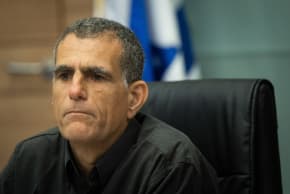
Political Tensions Mount as Indictment Reveals Chilling Threat to Israeli MK
POLICY WIRE — Beersheba, Israel — Another political figure in the region, another scare. It’s a stark reminder that the digital battleground often bleeds into the real world, occasionally with...

POLICY WIRE — Beersheba, Israel — Another political figure in the region, another scare. It’s a stark reminder that the digital battleground often bleeds into the real world, occasionally with grim intent. We’re seeing charges laid against a Beersheba man, 28 years old, stemming from what authorities describe as an attempted strike against former Member of Knesset Mossi Raz.
It wasn’t a casual disagreement, a fiery social media post gone too far. This appears to be something more — an alleged planned assault targeting someone who once stood on the legislative floor. This isn’t just about one former politician or one man from Beersheba; it feels like another tremor in the increasingly shaky ground of political discourse across this entire corner of the globe. And frankly, it’s unnerving. [QUOTE_PLACEHOLDER]
Mossi Raz, a figure long associated with the left-leaning Meretz party, has often been a vocal advocate for Israeli-Palestinian peace and human rights. His positions, predictably, don’t sit well with every segment of the population, especially during times of heightened nationalistic fervor. But dissenting opinions shouldn’t lead to planned attacks. It simply shouldn’t. This kind of event can freeze public discussion, making folks think twice before they speak their minds, particularly on issues that cut deep, issues that can sometimes feel like an open wound for decades. The threat of physical harm? It’s a chilling antidote to democratic participation.
Details about the nature of the alleged attempt remain guarded, as is often the case during active legal proceedings. But what’s clear is that the judicial system has deemed the evidence substantial enough to proceed with an indictment. Prosecutors believe they’ve a solid case against the 28-year-old, whose motivations and methods are undoubtedly under intense scrutiny. And you’ve gotta wonder, how many similar intentions fester beneath the surface, unspoken, until they explode?
The Israeli political landscape has always been, well, tempestuous. It’s a pressure cooker of competing ideologies, historical grievances, — and very real existential fears. For an ex-MK, someone who represented a significant (though sometimes minority) viewpoint, to be the target of such an alleged plot signals a troubling escalation. It isn’t new territory entirely — violence and threats against public figures, sadly, aren’t unheard of anywhere, but there’s a particular weight here, a feeling that old boundaries are eroding.
But the story doesn’t just stop at Israel’s borders. We’ve witnessed a noticeable global rise in politically motivated violence or threats targeting elected officials and civil servants. A 2023 study by the Anti-Defamation League and the Polarization Research Lab, for instance, found that nearly one in three U.S. federal employees reported personally experiencing harassment or threats related to their work in the past two years. That’s a stark figure for a supposedly stable democracy. It isn’t hard to imagine those pressures are even more acute in regions with deeper historical divisions and ongoing conflicts. From Europe to America, from the Middle East to South Asia, the online vitriol that often serves as the precursor to these acts just keeps boiling over.
Think about the sheer emotional intensity often present in South Asian politics, where personalities and identity politics intertwine with governance in complex ways. In countries like Pakistan, the lines between political opposition and perceived enemies of the state can blur, sometimes leading to violent clashes or threats against public figures and activists. The rhetoric itself, often inflamed by media and social media echo chambers, fosters an environment where acts like the one alleged in Beersheba become disturbingly imaginable. The struggle for democratic principles against hardline extremism isn’t some abstract concept out there — it’s a tangible, day-to-day fight on the streets, in parliaments, and yes, sometimes even aimed at those who’ve left the halls of power.
📄 POLICY WIRE WHITEPAPER PUBLISHED: PAKISTAN'S NATIONAL SECURITY POLICY PRIORITIES
👉 READ BY CLICKING HEREBecause ultimately, these incidents chip away at something fundamental. They tell citizens, indirectly, that engagement comes with risks. They tell politicians that perhaps their safety is negotiable. It’s a dangerous message. The entire region, from Islamabad to Jerusalem, is grappling with how to de-escalate tensions, both internal and external. And these types of domestic alleged political assaults, they don’t help matters much, do they?
What This Means
This indictment isn’t just a legal footnote; it’s a sharp jolt. For Israel, it reflects a society grappling with deepening fissures, where ideological disagreements increasingly risk spilling into physical confrontation. The perceived sanctity of political office, even for former incumbents like Raz, seems less assured. It pushes us toward a precarious equilibrium, where politicians – particularly those with dissenting views – might find themselves needing more, not less, personal protection. This also means a chilling effect on open debate; who’s gonna stick their neck out when the stakes could involve physical harm?
Economically, instability rarely bodes well. While one isolated incident won’t crash the shekel, a pattern of escalating political violence signals deeper structural issues that could impact investment confidence or even social cohesion, leading to unforeseen costs in security and public trust. For a vibrant, albeit often volatile, economy like Israel’s, internal stability is always an asset. Any erosion of that sense of security presents an unwanted friction. More broadly, the persistent threat to political figures is a symptom of polarization that challenges the stability of democratic institutions worldwide. The very foundation of public service gets called into question. And let’s be honest, that’s a cost no society wants to bear.