
OPEC+ Whispers of Supply: Modest Hike Rattles Ghost of Global Energy Crisis
POLICY WIRE — New York, USA — Just weeks after global economists feared a protracted energy Armageddon, when crude oil prices scaled impossible heights, the world's oil titans have opted for a...

POLICY WIRE — New York, USA — Just weeks after global economists feared a protracted energy Armageddon, when crude oil prices scaled impossible heights, the world's oil titans have opted for a collective shrug. This isn't the chest-thumping expansion one might expect following a war-induced scarcity; rather, it's a measured, almost reluctant, nudge. Seven key nations in the OPEC+ alliance—a club for the petroleum powerful, you could say—are increasing their August outputs. But it's less a surge — and more a subtle concession to a market already breathing a bit easier. It's an acknowledgment that the crisis, for now, seems to be receding, not accelerating.
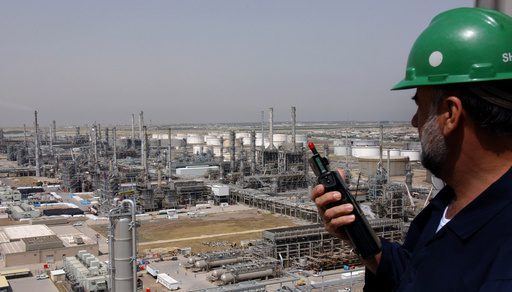
On Sunday, the Organization of the Petroleum Exporting Countries and its allies — collectively known as OPEC+ — announced on Sunday that seven countries would expand oil production by a combined total of 188,000 barrels per day in August. Saudi Arabia, Russia, Iraq, Kuwait, Kazakhstan, Algeria — and Oman are the players this time. And what's curious is that this modest hike marks the fifth consecutive month OPEC+ agreed to raise oil outputs. It suggests a slow walk back from deeper cuts, not a bold step forward. And the timing? Brent crude, the international benchmark, was going for under $72 a barrel when shortly after commodities trading opened Sunday night. Just weeks ago, in March, prices nearly hit $120 per barrel. That's quite the U-turn.
You'd think they'd be rushing to capitalize on demand, but no. The decision to dribble out a little more oil comes as fuel prices have fallen to levels not seen since before the U.S. and Israel's war with Iran. The initial panic, when most shipping blocked in the Strait of Hormuz, meant that limited production hikes pledged by OPEC+ in previous months couldn’t counteract the impact on global oil supplies. Energy experts have repeatedly warned that fuel prices and the cost of consumer good were likely to stay elevated long past the conflict's end. Well, surprise, surprise. Or maybe not.
But how did we get here? Market optimism, or perhaps the sheer exhaustion of geopolitical brinkmanship, caused crude oil prices to tumble before and after the U.S. and Iran reached an interim deal to end their fighting. A significant move, to be sure. As part of a broader memorandum of understanding, Iran agreed to allow ships to pass unimpeded through the Strait of Hormuz, and the U.S. agreed to end its blockade of Iran's ports. That's the kind of diplomatic magic trick that cools global nerves.
More and more commercial vessels have since transited the strait, which before the war was a conduit for roughly a fifth of the world's oil. That's a hell of a lot of oil flowing through a choke point that was suddenly very chokey. Yet, tensions aren't completely gone. Ship traffic remains below pre-war levels, — and tensions over the waterway continue. Iran’s joint military command warned as recently as Thursday that all oil tankers moving through the strait must use its approved routes or face a “forceful response.” Old habits die hard, even after a truce. Negotiations for a final peace agreement grind on between Iran and the U.S., but oil prices haven't waited for a neatly signed parchment.
Meanwhile, the wider Muslim world, and particularly nations like Pakistan, watched these fluctuations with bated breath. Countries that rely heavily on imported oil felt the sharp end of the energy crisis. Those soaring prices earlier this year weren't just abstract numbers on a screen; they meant higher inflation, costlier transportation, and increased political pressure in capitals like Islamabad and Dhaka. Even now, with prices down, the memory of that volatility looms large. For a country already navigating complex economic headwinds and delicate regional alignments—remember Dhaka's Delicate Dance? — oil stability is less a luxury and more a desperate need.
📄 POLICY WIRE WHITEPAPER PUBLISHED: PAKISTAN'S NATIONAL SECURITY POLICY PRIORITIES
👉 READ BY CLICKING HERESome of the big players got hit hard themselves. Early in the war, many major oil producers across the Middle East had to cut production because their crude had no where to go. They literally had tankers sitting idle, storage filling up. S&P Global Energy said in a recent estimate that it didn’t expect Gulf oil production to rebound fully until at least the first quarter of 2027. That's a long-tail consequence many hadn't quite factored in when the bombs started dropping. The market has reacted to immediate de-escalation, but long-term recovery still looks like a slog.
What This Means
This latest, timid output boost from OPEC+ isn't about meeting soaring demand; it's a cynical play on perceived stability. The cartel isn't driving prices; it's reacting, however sluggishly, to the easing of geopolitical anxieties. It suggests a certain loss of leverage, at least for the moment. Remember, the collective stated goal is to support market stability. It's a phrase that rings with a hint of passive-aggressive resignation, given they'd preferred higher prices if they could have maintained them.
Politically, the interim deal with Iran, however fragile, has dramatically shifted the landscape. It takes the pressure off the U.S. domestic energy market—always a touchy subject for any administration—and gives Gulf producers pause. They don't want to flood a softening market, depressing prices too much, but they also can't appear to be price gouging while the U.S. is trying to foster peace. It's a tricky balance, like trying to dance on a shifting sand dune. This also explains the cautious approach mentioned by the group. The economic ripple effects of fluctuating energy costs, as always, hit developing nations hardest. If global markets stabilize further, countries from Cairo to Kuala Lumpur will feel a subtle easing in their imported inflation burdens. But the threat of renewed tensions—Iran's threats on the Strait of Hormuz are hardly reassuring—means any relief is provisional, held hostage to the unpredictable currents of Middle Eastern geopolitics. It's never really settled, is it?