


Futures Bet: Red Sox Gamble Big on Shortstop, Echoing Global Talent Wars
POLICY WIRE — Boston, USA — In the cutthroat calculus of professional sports, where potential is currency and a hunch can cost millions, the Boston Red Sox just laid down a significant marker. Their...

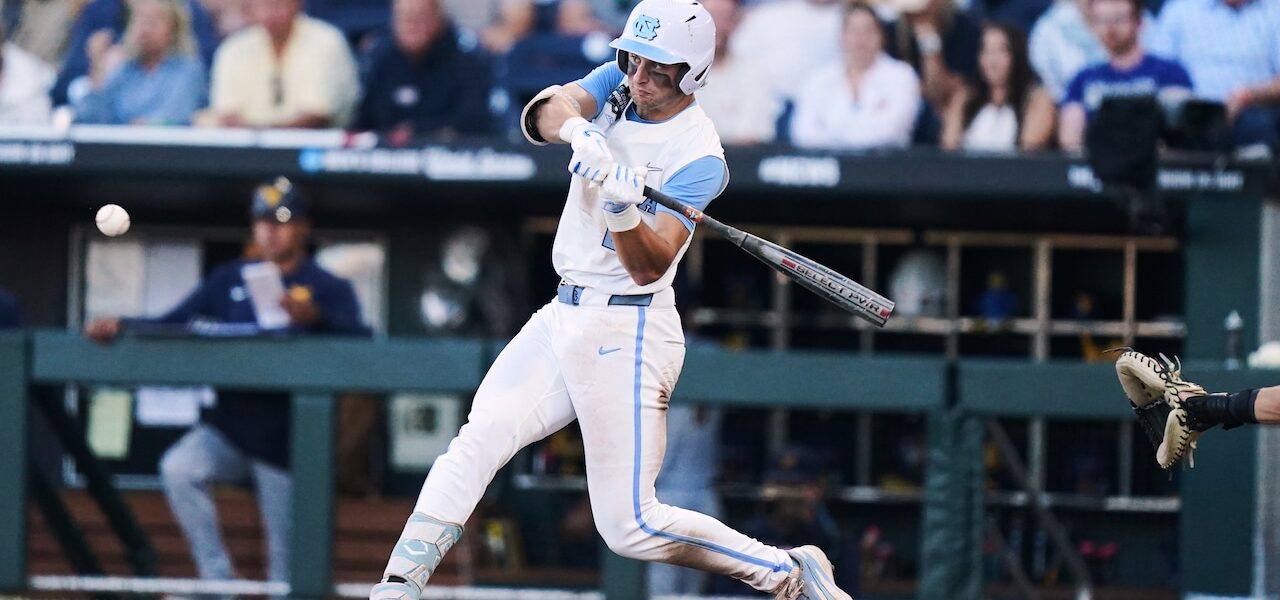
POLICY WIRE — Boston, USA — In the cutthroat calculus of professional sports, where potential is currency and a hunch can cost millions, the Boston Red Sox just laid down a significant marker. Their selection of University of North Carolina shortstop Jake Schaffner, 20th overall in the 2026 MLB Draft, wasn’t just a nod to talent; it was a brazen, calculated gamble, a high-stakes move in the opaque market of athletic futures.
It’s easy to dismiss these things as mere baseball, a game of grass — and rosin. But it isn’t, is it? It’s big business, a microcosm of global finance where supply chains are called ‘player development’ and the asset being traded is a 21-year-old kid’s dream—and your franchise’s fiscal health. And the Sox? They decided Schaffner, an excellent contact hitter with defensive versatility, was worth reaching for. Not just a little bit, but a lot.
“His offensive skillset aligns very well with our player development group,” stated Jake Bruml, Boston’s director of amateur scouting, in an email that probably glossed over countless hours of debate. “We’re confident he’ll be able to thrive in our system while playing strong defense at shortstop.” Standard stuff, you might think. But here’s the kicker: MLB Pipeline, the industry’s purported oracle, ranked the 6-foot-2, 200-pound left-handed hitter 75th overall. The Red Sox, bless their brave, perhaps foolhardy, hearts, picked him 55 slots higher than his projected position.
Fifty-five slots. That’s not a rounding error; it’s a philosophical statement on risk assessment. What do they know that the rest of the league, — and its well-funded scouting operations, doesn’t? Or, more darkly, what desperate hope drives such a leap of faith? General Manager Sam Kennedy, never one to shy from a headline, chimed in, “We’re not just looking at numbers on a spreadsheet, you know? We’re investing in character, in competitive fire. Sometimes the best return isn’t the safest bet; it’s the one nobody else saw.” (It’s a bold claim, but we’ve heard it before.)
Schaffner’s collegiate numbers do make a decent argument for his contact abilities. He hit an impressive .356 with a .467 on-base percentage this spring, slugging .552 and recording a 1.019 OPS over 68 games. He also notched six homers, 19 doubles, and eight triples, displaying a knack for getting on base (45 walks to just 32 strikeouts) and — this is crucial for the modern game — 26 stolen bases in 29 attempts. Still, Pipeline called his power “below-average,” predicting maybe 10-12 annual homers in the pros, which ain’t exactly Giancarlo Stanton.
His defense at shortstop, meanwhile, is lauded as “rangy and extremely reliable,” though his arm strength could force a move to second base in the professional ranks. And therein lies part of the gamble. Is he a long-term shortstop, or another middle infielder destined for the shallower end of the talent pool?
📄 POLICY WIRE WHITEPAPER PUBLISHED: PAKISTAN'S NATIONAL SECURITY POLICY PRIORITIES
👉 READ BY CLICKING HEREBut this isn’t just about Boston and their pick; it’s a window into the increasing globalization of talent identification, a trend mirroring geopolitical shifts. Major league baseball, much like venture capitalists chasing the next big tech disruptor, now scours not just college campuses, but every dusty sandlot and cricket pitch on Earth. While Schaffner’s journey from North Dakota State to UNC isn’t exactly a global trek, the economic logic applied to domestic prospects isn’t too dissimilar from the rationale driving teams to establish academies in places like the Dominican Republic or, increasingly, to look for untapped athletic pools in nations less traditionally associated with the sport. You’ll find scouts in unexpected corners of the world these days, from European football leagues to schools near Pakistan’s contested borders, all seeking that one undervalued asset. It’s the ultimate arbitrage. The price of potential, globally, just keeps going up.
The Red Sox also traded away their second and fourth-round picks to ink free agent Ranger Suarez for a hefty five-year, $130 million deal back in January. That’s putting a lot of eggs in some very specific baskets, creating an even greater onus on their few remaining selections — like Schaffner, their lone first-round buy. They’ve got 19 selections left in this draft, and they’ll need a lot of them to pan out to justify these kinds of top-end maneuvers. It’s high-roller poker, indeed.
What This Means
This draft pick, positioned far above conventional wisdom, tells us a few things. First, the Red Sox brain trust either sees something everyone else missed, or they’re deeply entrenched in a ‘prove us wrong’ mentality. It’s a classic ownership-driven gamble, an almost desperate swing for the fences to restock a system that, let’s be honest, could use some serious top-shelf infusions. Economically, this signifies a willingness to spend future capital (draft slots, signing bonus dollars) on a perceived immediate impact — or at least an accelerated development curve. They aren’t just looking for good players; they’re trying to mint franchise cornerstones where the consensus says there are none.
Second, it reflects a growing divide in talent valuation philosophies across MLB. Some teams hug their spreadsheets, meticulously drafting by consensus. Others, like Boston in this instance, appear to trust internal scouting and predictive models that clearly diverge from the public eye. This isn’t just about player projections; it’s about competitive strategy, a move that could either define a decade of success or hang like an albatross around their necks, a persistent reminder of a big miss. Because, let’s not forget, in this business, a ‘miss’ isn’t just a few bucks; it’s a fundamental flaw in the future of the product, on and off the field. You don’t make that kind of move lightly—or do you? We’ll find out in a few years, won’t we?