


Wimbledon’s Bruising Ballet: Noskova’s Improbable Escape and Czechia’s Soft Power Play
POLICY WIRE — London, UK — Wimbledon, typically a bastion of genteel predictability, was rocked by a display of raw nerve and then sheer steel this past Saturday that might well offer lessons beyond...

POLICY WIRE — London, UK — Wimbledon, typically a bastion of genteel predictability, was rocked by a display of raw nerve and then sheer steel this past Saturday that might well offer lessons beyond the manicured lawns. What began as a clinical coronation for Czech prodigy Linda Noskova — a young woman seemingly cruising toward her first Grand Slam title — quickly morphed into a brutal, protracted fight against herself and a tenacious opponent. It was, frankly, a gut punch of a match.
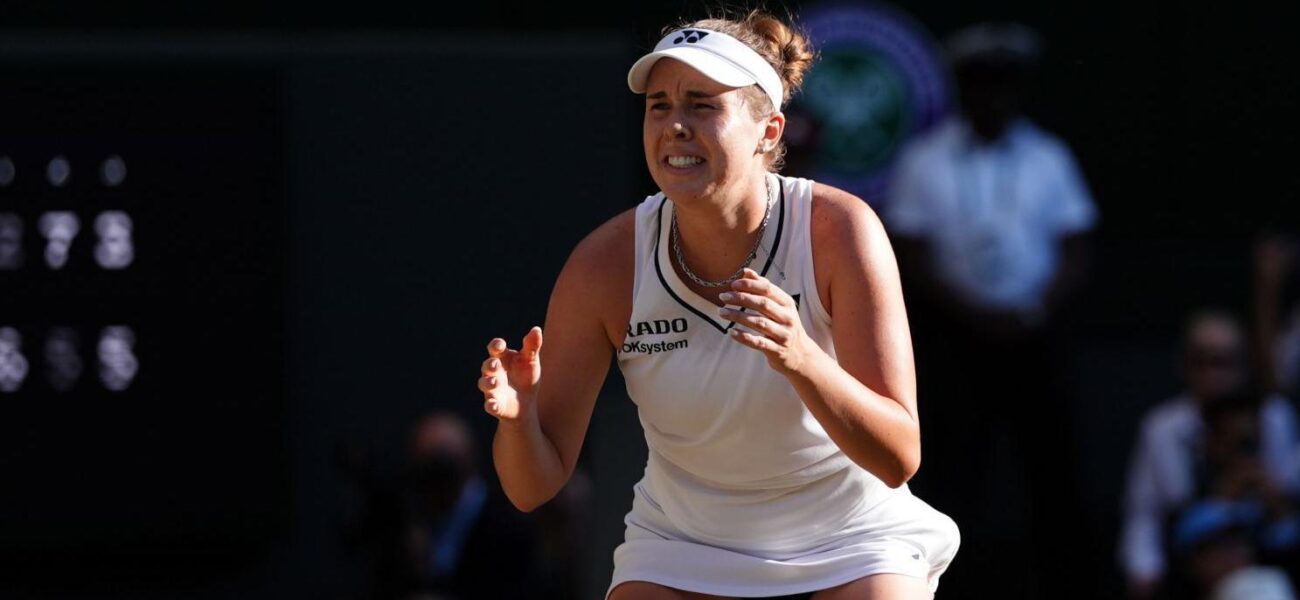
Noskova, just 21, was serving for the championship, leading Karolina Muchova 6-2, 5-2. The Venus Rosewater Dish, practically hers, seemed to glow under the Centre Court sun. But then, it just… wasn’t. Her game unravelled. Five championship points vanished. She crumpled, quite literally. Muchova, the tenth seed — and Noskova’s friend, surged, seizing five games in a row to force a third set. An hour later, the scoreboard reset, the mental game a twisted wreck.
Anybody watching — the 15,000 strong on court, millions more glued to screens globally — could practically feel her internal struggle. She pulled a towel over her head, shielding herself from the stadium’s collective gasp, or maybe just from her own thoughts. It was an excruciating watch. But, — and here’s the unexpected twist, she reset. And she won. She closed it out 6-2, 5-7, 6-3. Talk about bouncing back. When that final serve flew, an ace, — and the match was hers, she hit the deck, emotions overflowing. Muchova, ever gracious, came around the net. They’re doubles partners, for crying out loud. That’s tennis, folks – ruthless, then remarkably sporting.
Because Noskova’s win isn’t just about forehands — and backhands. It spotlights a curious phenomenon: Czech Republic’s athletic dominance. She’s the third Czech woman to lift the Wimbledon trophy in just four years, following Marketa Vondrousova and Barbora Krejcikova. A nation of barely 10 million people is punching well above its weight in global tennis. And that’s something for other nations, perhaps those still carving out their sporting identities, to really sit up and notice. The triumph wasn’t lost on legendary Czech-born Martina Navratilova, who was in the stands. Nor on Petra Kvitova, a multiple-time Wimbledon champ herself, watching her compatriot join an elite club.
“Ms. Noskova’s triumph isn’t just a sports victory; it’s a living lesson in resilience and the power of dedicated athletic development programs,” stated Mr. Jan Hronek, spokesperson for the Czech Ministry of Foreign Affairs, when contacted by Policy Wire. “It reflects quite favorably on the Czech Republic’s soft power initiatives, particularly as we engage with nations keen on developing their own youth sports infrastructure, across Asia and beyond.” This isn’t just tennis. This is brand building, plain — and simple.
📄 POLICY WIRE WHITEPAPER PUBLISHED: PAKISTAN'S NATIONAL SECURITY POLICY PRIORITIES
👉 READ BY CLICKING HEREAnd it’s a message that resonates in places far removed from the leafy suburbs of Wimbledon. Consider Pakistan. A young nation, bursting with youth — some 64% of its population is under 30. That’s a staggering reservoir of potential. For aspiring athletes in Lahore or Karachi, seeing someone from a relatively small European nation achieve such global acclaim provides a powerful example. It inspires ambition. It speaks to what focused effort, regardless of a nation’s size, can achieve. We’ve seen European talent grapple with the relentless revolving door of top-tier sports, but here, the Czech model suggests a sustainable path.
“For young athletes throughout the Muslim world, witnessing such an emotional and hard-won victory offers a clear pathway,” observed Dr. Arif Hussain, head of the Pakistan Tennis Federation’s youth development program, in a phone interview. “It demonstrates that with structured training — and mental fortitude, anyone can compete. We aspire to build on such inspiring examples, forging cultural exchanges and learning from successful models like the Czech one.” Indeed, Wimbledon, with its staggering global television audience that annually surpasses 200 million viewers, acts as a potent stage for such demonstrations of human spirit and national pride. (Source: ITF Annual Media Report, 2023)
What This Means
Noskova’s dramatic recovery wasn’t just a win for her. It underscored, albeit indirectly, the growing importance of sports diplomacy and youth development as instruments of statecraft. For Czechia, these consistent wins on the world stage enhance its national brand. It signals efficiency, resilience, — and systematic excellence. Such international recognition isn’t merely about sporting glory; it translates into increased visibility, potential for tourism, and, in subtle ways, influences diplomatic ties. Countries like Pakistan, actively seeking ways to empower their burgeoning youth populations and diversify their international image, pay attention to these kinds of narratives. Investing in robust sports programs becomes more than just health policy; it’s a long-term strategic investment in human capital and soft power projection. And when a 21-year-old can rebound from what seemed like inevitable disaster to claim one of sport’s most coveted prizes, it’s a message that transcends boundaries and bureaucracies, serving as a powerful, universal symbol of determination.