

The Soft Power Play: Princess Kate, Celebrities, and a Geopolitical Sideline at Wimbledon
POLICY WIRE — London, England — Forget the grunts and rallies, for a moment. Last Saturday, Centre Court wasn’t merely hosting the women’s singles final; it was a carefully composed tableau of...

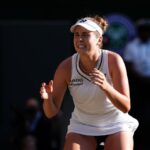
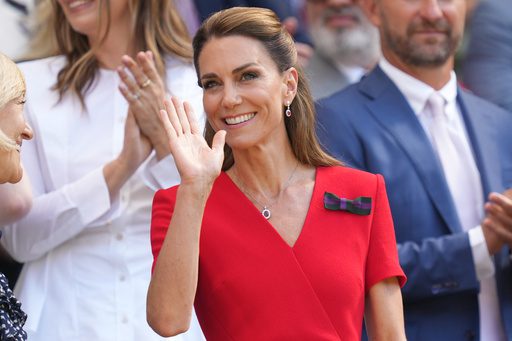
POLICY WIRE — London, England — Forget the grunts and rallies, for a moment. Last Saturday, Centre Court wasn’t merely hosting the women’s singles final; it was a carefully composed tableau of British soft power, featuring the ultimate public relations asset—the Princess of Wales—and a global cast of characters. It’s never just about the tennis, is it?
Princess Kate, radiant and seemingly recovered from her cancer treatment earlier this year, took her familiar place in the Royal Box, but her presence was a far cry from a casual afternoon outing. It was, rather, a precision-engineered display, one that spoke volumes about endurance, national pride, and the monarchy’s relentless quest for global relevance in an ever-skeptical world. Because, frankly, in the grand theatre of international perception, every appearance counts. Every single one.
She wasn’t alone in this carefully crafted ensemble. Arrayed beside her was a guest list that could’ve headlined a minor film festival. There was Jodie Foster, still commanding a gaze across generations. Then “Emily in Paris” star Lily Collins and Hannah Waddingham, the ever-popular Rebecca from “Ted Lasso.” And tennis legends—Martina Navratilova, Billie Jean King, Petra Kvitova. It was a who’s who designed for maximum photographic impact, a ready-made montage for social media feeds the world over. But one attendee in particular offered a glimpse into something a bit more complex than celebrity worship.
Eileen Gu, the U.S.-born freestyle skiing phenom who chose to compete for China, her mother’s homeland, sat conspicuously among the esteemed. Gu, a triple Olympic medalist—and a savvy ambassador in her own right—represents a curious intersection of sport, nationality, and commercial appeal. Her presence in the Royal Box, an institution often seen as quintessentially British, felt like a subtle acknowledgment of shifting global dynamics. It’s less about the backhand, more about the diplomatic undertones.
“It’s truly a privilege to support this magnificent sport and, importantly, the champions it produces,” Princess Kate was overheard saying, according to a Palace aide briefed on her private conversations. “These events… they remind us of what grit can accomplish, and that’s a message we want to share.” A boilerplate quote, sure, but it’s part of the messaging. The monarchy knows how to work a room—or, in this case, a globally televised sports arena. Wimbledon’s global broadcast reach, for instance, soared past an estimated one billion cumulative viewers during its 2023 run, according to internal All England Lawn Tennis Club data; those are eyeballs the Royal household actively seeks.
This meticulously curated optics isn’t lost on observers beyond the UK. “These spectacles are rarely just about the sport. They’re soft power plays, meticulously choreographed to project an image of continuity and global relevance, even in markets far removed from Centre Court,” offered Dr. Zara Iqbal, a geopolitical analyst specializing in South Asian affairs. “Folks in Karachi or Kuala Lumpur are watching, believe me. They see the glamour, yes, but also the stability the monarchy implicitly promises. And in regions like Pakistan, where historical ties still hold sway, these images can subtly reinforce connections, cultural exchanges even.” That’s a powerful undercurrent, sometimes more potent than state visits.
📄 POLICY WIRE WHITEPAPER PUBLISHED: PAKISTAN'S NATIONAL SECURITY POLICY PRIORITIES
👉 READ BY CLICKING HEREBut the irony here isn’t lost either. While the Royal Box glittered with star power, ordinary folks were shelling out small fortunes for tickets or simply jostling for a glimpse from outside the gates. The spectacle exists on two very different planes, one of gilded privilege and another of shared national enthusiasm, occasionally merging through the ubiquitous gaze of television cameras. And it all goes to reinforce a brand, a tradition, an unspoken promise of British steadfastness.
What This Means
This Royal Box performance was a masterclass in modern royal branding. It’s less about ancient lineage — and more about contemporary influence. The Princess of Wales’s return, especially after her recent health battle, amplified the narrative of resilience. That’s something global audiences, whether they’re following royal news in Riyadh or sports news in Islamabad, can relate to. The carefully selected celebrity guest list isn’t just about A-listers; it’s about aligning the monarchy with figures who possess broad cultural capital across different demographics and geographical regions. Adding an athlete like Eileen Gu, who embodies a nexus of Western upbringing and Chinese national identity, subtly expands the message—and indeed, the market—for the monarchy’s enduring appeal.
Economically, these appearances have real, albeit indirect, impacts. They reinforce the ‘Brand Britain’ identity, influencing tourism, luxury goods sales, and even international investment by projecting stability and a certain cosmopolitan flair. For Policy Wire, it underscores how deeply entwined diplomacy, celebrity, and commerce truly are, even in the most seemingly innocuous settings. The royal family understands that an image in the Royal Box can resonate louder, and further, than any official communique. And as we’ve seen recently, this game of appearances isn’t restricted to sporting arenas. For more on how figures leverage their image to influence public discourse, one might consider the complex narratives surrounding athletes like Conor McGregor and their fight for relevance. Because maintaining public interest is hard work, — and it’s something they don’t take lightly. This wasn’t just a day at the tennis; it was a statement. Loud and clear.