


Octagon Alchemy: McGregor’s Brutal Comeback – A Billion-Dollar Gamble Against Time and Titanium
POLICY WIRE — Las Vegas, Nevada — The desert city’s neon glares as another gladiatorial spectacle approaches, but this isn’t just another fight. This is Conor McGregor, the incandescent,...

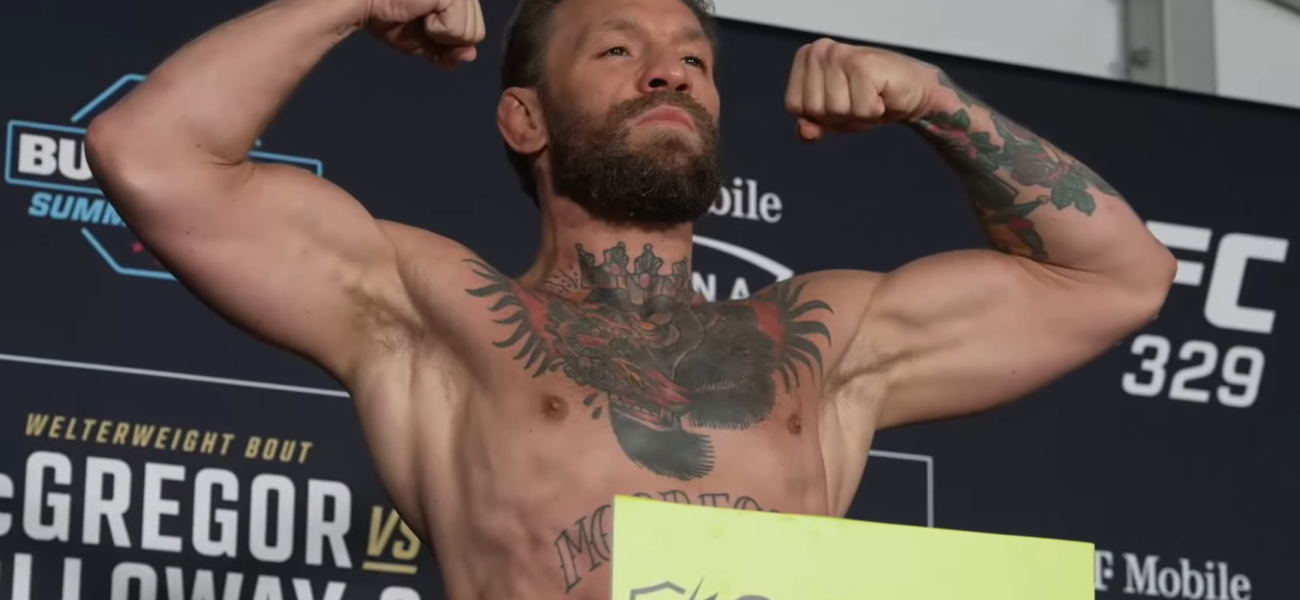
POLICY WIRE — Las Vegas, Nevada — The desert city’s neon glares as another gladiatorial spectacle approaches, but this isn’t just another fight. This is Conor McGregor, the incandescent, mouth-first marvel, crawling back from the abyss. He’s been gone five years, a surgical scar snaking up his tibia a gruesome reminder of the night his leg snapped against Dustin Poirier. Yet, here he’s again, stepping into the welterweight spotlight to face Max Holloway, a ghost from a decade past, a younger, sharper echo of his own peak.
It’s not just a rematch; it’s an economic earthquake. And frankly, it’s astonishing. Thirty-seven years old, a lifetime of brutal exchanges, a body scarred and repaired with what some doctors might call heroic engineering—it’s a miracle of modern sports medicine, or perhaps, sheer financial imperative. You don’t return from such a devastating hiatus without a hefty push from either ambition’s furnace or a contract so plump it could sustain a small nation. Probably both.
Dana White, the perpetually animated head honcho of the UFC, can barely contain his enthusiasm, — and who can blame him? “Conor’s an anomaly, a phenomenon,” White recently mused, almost beaming during a pre-fight presser. “He just sells. You can’t bottle that. Every time he fights, the whole world tunes in—it’s like he activates a money switch that nobody else has. He knows it. We know it.” But beneath the spectacle, the questions linger: Can ‘The Notorious’ recapture even a fraction of the lightning that made him, at his best, utterly untouchable? Has the sheen of controversy — and opulence dulled his deadly edge?
His opponent, the ‘Blessed’ Max Holloway, is a different kind of animal. Thirty-four, prime fighting age, and honed through a gauntlet of top-tier talent, he hasn’t spent the last half-decade yachting or promoting whiskey. He’s been in the cage, active, carving out a legacy of his own. These two first met back in 2013, a younger McGregor—all speed and swagger—taking a unanimous decision. Holloway is now a significant betting favorite, clocked at -225 odds on DraftKings, a stark testament to the bookies’ perception of McGregor’s diminished potency.
It’s a bizarre tableau for the fight world: a revenant champion, a hungry challenger, and a financial machine churning relentlessly. But you know, the sport itself—Mixed Martial Arts—has metastasized globally, becoming a juggernaut of athletic entertainment. From the sprawling urban centers of Europe to the bustling streets of Lahore, Pakistan, millions will log onto streaming services, sacrificing sleep for a glimpse of the T-Mobile Arena lights this Saturday, July 11th. They’ll tune into Paramount+, eyes glued to screens, witnessing another chapter in the brutal economics of fame and combat. It’s an arena where hope is currency — and a knockout blow, the ultimate dividend.
Analyst Laura Hayes, known for her sharp observations on fighter longevity, didn’t mince words recently. “You’ve got to appreciate the man’s courage—or his bankers’, depending on your cynicism—but Father Time, he’s never lost a fight,” Hayes stated grimly on a sports podcast. “McGregor’s talent is immense, but the fight game leaves scars deeper than just skin. Five years out? At welterweight? It’s a huge ask, even for him. I just hope it doesn’t end… badly.” And yes, the stakes for McGregor himself are immense; another high-profile loss, especially a definitive one, could finally extinguish the flame, relegating him to permanent punditry.
📄 POLICY WIRE WHITEPAPER PUBLISHED: PAKISTAN'S NATIONAL SECURITY POLICY PRIORITIES
👉 READ BY CLICKING HEREBecause ultimately, this isn’t just about athletic prowess; it’s about the relentless pursuit of relevance in a landscape that chews up and spits out even the most legendary figures. This July 11th, we’re not just watching a fight. We’re watching a human being defy time and injury, trying to reclaim a throne that was never really his to leave for five years.
What This Means
The return of Conor McGregor, post-injury and amidst a lengthy hiatus, carries significant political and economic weight far beyond the welterweight division. For the UFC, it’s a calculated risk with monumental financial upsides. McGregor remains arguably the most potent pay-per-view draw in combat sports history, a fact that overshadows virtually any consideration of athletic merit or ring rust for the promotional machine. His continued appeal—a blend of Irish charm, aggressive showmanship, and undeniable power—translates directly into millions of dollars in streaming subscriptions, merchandise sales, and global brand exposure.
Economically, this event highlights the concentrated power within the UFC, where a handful of superstar fighters command disproportionately large portions of the revenue. It reflects a growing trend across professional sports—from European football’s elite to the NBA’s mega-deals—where the individual athlete, cultivated into a global brand, becomes the engine of a multi-billion-dollar enterprise. This event further entrenches the financial stratification within MMA; while McGregor potentially nets a fortune, many undercard fighters grapple with relatively meager purses.
Politically, McGregor’s comeback, irrespective of its outcome, sends a message about celebrity, resilience, and the relentless marketing of human drama. It tests the boundaries of athletic longevity and injury recovery, pushing narratives of redemption or hubris into the global media stream. This kind of event reinforces the UFC’s dominance in the combat sports landscape, serving as both a benchmark for marketability and a controversial model for athlete remuneration and corporate control over fighter careers.