


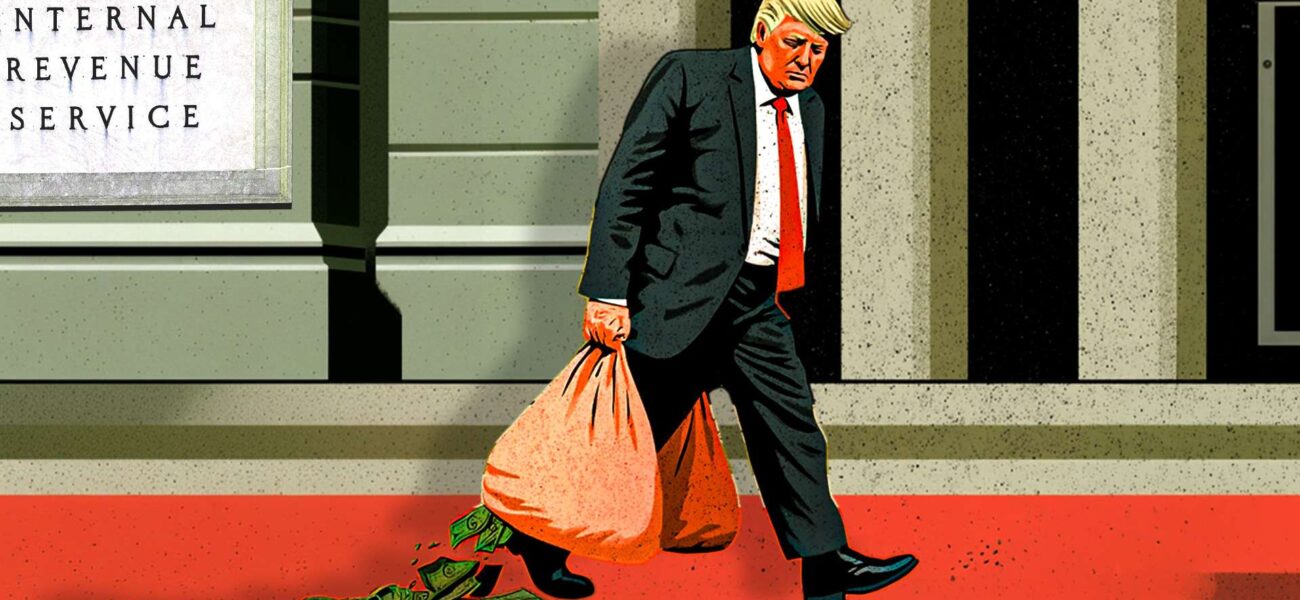
The Alchemy of Outrage: Fundraising Reimagined in the Age of Political Litigation
POLICY WIRE — Washington, D.C. — For most people, a cascade of criminal indictments means financial ruin. Legal bills mount, assets are frozen, — and the specter of bankruptcy looms large. Not for...

POLICY WIRE — Washington, D.C. — For most people, a cascade of criminal indictments means financial ruin. Legal bills mount, assets are frozen, — and the specter of bankruptcy looms large. Not for everyone, it seems. Certain figures possess a peculiar alchemy—they transmute the very crisis designed to fell them into a fresh fount of campaign cash. It’s a sleight of hand that’s baffling, cynical, and increasingly, an established part of the American political landscape.
Enter the latest iteration of this financial magic: the so-called ‘Anti-Weaponization Fund’. But that’s a title, isn’t it, crafted with an expert’s touch. It speaks to a perceived grievance, rallies the faithful, and subtly suggests external forces are at play, not simply legal consequences. And it channels funds directly to legal defense—or so goes the explicit claim. Because, in modern politics, everything’s got to be a brand, a narrative, a fund-raising opportunity, hasn’t it? [QUOTE_PLACEHOLDER]
We’ve watched this story unfold before. It’s not a one-off. There’s a distinct pattern, an undeniable consistency to how some prominent politicians —particularly those whose careers have been marked by contentious legal skirmishes—transform personal legal entanglements into an appeal for public donation. It’s an art form, really, requiring an almost theatrical commitment to portraying oneself as the victim of a grand, sweeping conspiracy, or an unjust system.
It’s important we get this straight. When the former President unveiled this new financial vehicle, it wasn’t some novel financial innovation hatched from the minds of Wall Street’s finest. It’s more akin to an old parlor trick, just dressed up in new clothes for a new digital age. The mechanism allows for the public to contribute, ostensibly, to combat what its proponents describe as the weaponization of the justice system against a leading political figure. A noble cause, one might argue, if you’re a true believer.
But the practicalities? Ah, there’s the rub. Money, once raised, can be tricky. It often isn’t neatly compartmentalized for a single purpose. Funds that flow into political action committees or directly to a candidate’s campaign often carry multiple spending allowances, blurring lines that might seem obvious to a layperson. And then, well, then it gets complicated. The money, even if initially intended for legal fees, frequently finds its way into other coffers, from travel expenses to political rallies—perhaps even benefiting the individual themselves in indirect ways, shoring up finances elsewhere, free from traditional constraints. Policy Paradox: When Unrivaled Consistency Fails to Earn Recognition isn’t just about political messaging; it’s also about where the money goes when those messages are delivered.
Consider the perception elsewhere, say in Pakistan. For decades, the public discourse in many South Asian nations has been riddled with accusations—and sometimes convictions—of political elites using public office, or even private political enterprises, for vast personal enrichment. There, the calls for transparency and accountability over leadership’s personal wealth and the sources of political funds are constant, passionate, and frequently ignored. The American situation, while structurally different due to comparatively stronger, though imperfect, oversight mechanisms, resonates with this global struggle for clean governance. It isn’t just a local spat. It’s a challenge to democratic ideals wherever political influence meets personal ledger. It makes folks wonder.
📄 POLICY WIRE WHITEPAPER PUBLISHED: PAKISTAN'S NATIONAL SECURITY POLICY PRIORITIES
👉 READ BY CLICKING HEREThis fund, then, is a testament not just to an individual’s financial strategy, but to a broader normalization of an ethically ambiguous approach to political finance. It asks ordinary citizens to subsidize the legal woes of a very wealthy man, cloaked in the rhetoric of a fight for fundamental fairness. But is it fair, really, when one person’s legal defense fund becomes a self-sustaining political enterprise, diverting attention and resources from more traditional, policy-focused campaigning?
A recent Pew Research Center survey indicated that 78 percent of Americans believe political leaders often prioritize personal financial gain over public interest. This number, it’s pretty clear, illustrates a widespread skepticism, a profound public cynicism that grows every time such a fund is announced. It just eats away at trust.
We’re in an era where the lines between a leader’s personal battles, their political campaigns, and their financial fortunes are not merely blurred, but seemingly, intentionally erased. This particular fund epitomizes that fusion. It’s not about ideological purity; it’s about monetizing grievances. The political consequences are deep, long-lasting, — and erode faith in institutions one donation at a time. What’s next? Paying for presidential travel from supporters’ vacation funds? Or using the White House gift shop as a private ATM? Washington’s Endless Drain: Another Iconic Pool Yields to the Impermanence of Public Works, but in this case, it’s public faith that’s being drained, not concrete.
What This Means
This development carries significant political — and economic implications. Politically, it further solidifies a ‘us versus them’ narrative, enabling the candidate to frame legal troubles as political persecution rather than due process. This mobilizes his base, but alienates undecided voters who might view it as an opportunistic abuse of political influence for personal gain. It establishes a dangerous precedent where a presidential campaign can openly blend legal defense fundraising with general political activity, potentially bypassing traditional campaign finance ethics that strive to separate a candidate’s personal legal issues from their political machine. Economically, while it offers a significant influx of capital to legal teams, the broader impact is on the transparency and accountability of political funding. It challenges established norms of how political contributions are solicited and spent, possibly inspiring other figures, regardless of their political stripe, to adopt similar tactics when facing legal scrutiny. It sets up a scenario where legal challenges become not just obstacles, but perverse fundraising opportunities. This erodes public confidence, making an already complex system feel even more opaque and susceptible to self-serving manipulation. Ultimately, it risks normalizing a political ecosystem where personal legal fees are crowdfunding targets, obscuring the actual costs and ethical boundaries of leadership.