


Sanctuaries Despoiled: Albuquerque Burglaries Pierce Veil of Safety at Hospitals, Elder Care
POLICY WIRE — ALBUQUERQUE, N.M. — It’s bad enough when crooks hit a convenience store. Or a house. But hospitals — and places where the elderly live? That feels like another kind of breach...

POLICY WIRE — ALBUQUERQUE, N.M. — It’s bad enough when crooks hit a convenience store. Or a house. But hospitals — and places where the elderly live? That feels like another kind of breach altogether. A line, one imagines, isn’t just crossed; it’s stomped on, left in the dust of our collective disbelief. That’s precisely what Albuquerque, a city no stranger to its share of social friction, is grappling with after news surfaced regarding a pair of alleged repeat offenders targeting precisely these sorts of supposed havens.
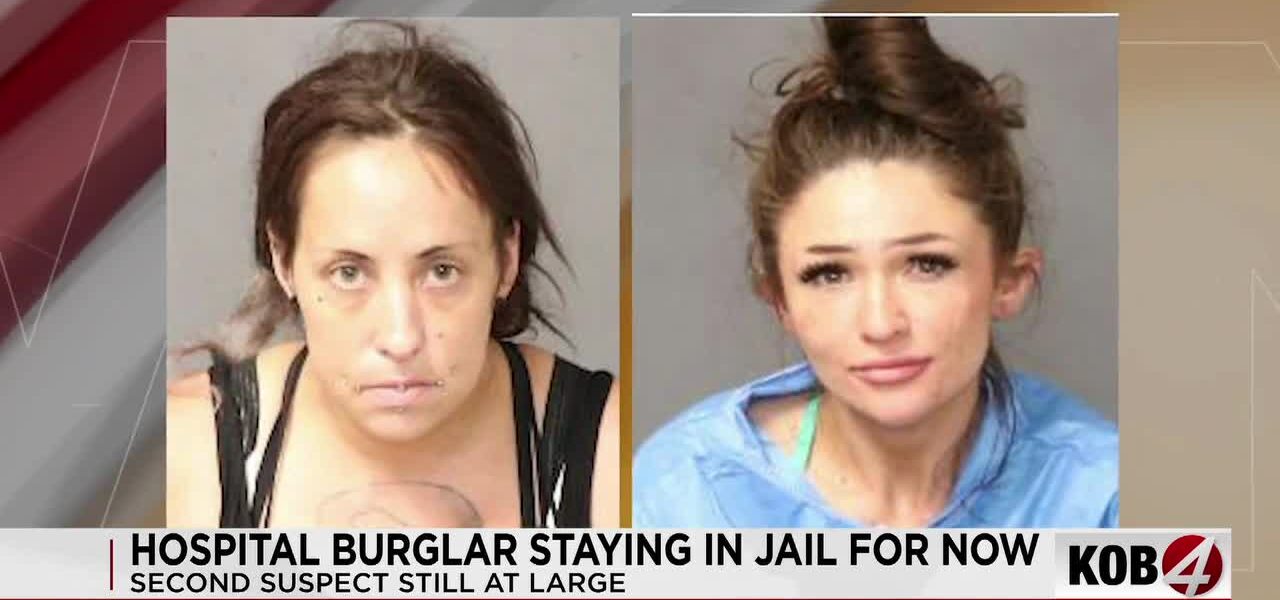
Albuquerque police have pointed fingers, making it known two women stand accused of doing the unthinkable, literally [QUOTE_PLACEHOLDER] Not a bank, mind you. Not some flashy retail spot. The very institutions we generally — maybe naively — hold up as untouchable, as places where one might, at least, expect a baseline of decency to prevail. But it hasn’t. Turns out, even vulnerability has become a commodity, ripe for exploitation.
The alleged escapade wasn’t subtle, nor was it particularly well-executed, if the reports are anything to go by. At Palmilla Senior Living, a [QUOTE_PLACEHOLDER] Talk about brazen. Picture it: an elderly individual, likely with dwindling patience for nonsense, confronting — or at least observing — someone making off with their personal property. It’s an image that grates, stirring a low hum of indignation right at the core of what we consider decent.
Ashley Beurele, one of the two alleged culprits, is [QUOTE_PLACEHOLDER] And her legal outlook? Not sunny. From the sound of things, [QUOTE_PLACEHOLDER] The authorities, it seems, aren’t keen on giving her much leeway, probably viewing her as a flight risk or a continuing danger given the alleged nature of her targets. Meanwhile, the search continues for the second suspect, Andrea Campos. They’re still out there, possibly blending into the city’s vast expanse, perhaps pondering their next move or, one hopes, their next hideout.
But how did we get here? Investigators tell a story of escalating disregard for norms. The duo, APD says, [QUOTE_PLACEHOLDER] In May, they reportedly [QUOTE_PLACEHOLDER] A car window — smashed right there, in a hospital parking lot, a place folks arrive in various states of distress or hope. Then, to compound the nerve, they [QUOTE_PLACEHOLDER] But wait, there’s more. The boldest stroke, perhaps, when [QUOTE_PLACEHOLDER] A resident’s room, a sanctuary, breached with unsettling ease. One imagines the feeling of personal violation must be profound.
And these sorts of acts? They’re not just local anecdotes. They speak to a broader trend. Nationally, property crime rates, while fluctuating, present a relentless challenge. For example, recent FBI data indicated an estimated 3.7% increase in reported property crime offenses from 2021 to 2022. This particular pair, Beurele and Campos, isn’t just a blip; they’re a stark echo of a persistent societal thorn, especially when their alleged exploits strike at the heart of places meant to offer refuge. You start to wonder: if a hospital or an assisted living facility isn’t safe, then what’s?
📄 POLICY WIRE WHITEPAPER PUBLISHED: PAKISTAN'S NATIONAL SECURITY POLICY PRIORITIES
👉 READ BY CLICKING HEREBut the audacity here—it’s got to sting for those charged with public safety. This isn’t just petty theft; it’s a violation of community trust, an erosion of the fundamental expectation that some places, at least, are sacred, secure. This whole ordeal shines a harsh light on what we value, or what we claim to value, anyway.
What This Means
This episode, small as it might seem in the grand scheme of things, reverberates beyond mere local crime blotter entries. It signals a growing normalization of deviancy that targets society’s most vulnerable. Economically, institutions like hospitals and elder care facilities, already operating on thin margins, now face increased pressure to bolster security, divert resources that could be used for patient care or resident well-being into cameras, guards, and reinforced access points. This isn’t just about insurance claims; it’s about public confidence. When an environment meant for healing or peaceful twilight years becomes a hunting ground for opportunists, it fundamentally corrodes the implicit social contract.
Politically, such incidents often fuel calls for tougher stances on crime, diverting attention and resources towards punitive measures rather than addressing underlying socioeconomic issues that might contribute to such desperation or audacious disregard for law. In cities from Lahore to London, from New Mexico to New Delhi, when public trust in institutional security wavers, it’s a symptom of a larger illness — perhaps one where the collective belief in mutual respect and safety begins to fray. The vulnerability exposed here—of the elderly, of the sick—echoes global concerns about safety nets stretched too thin, about the individual plight lost in the impersonal shuffle of modernity.
It’s a stark reminder that the strength of a society isn’t just in its GDP or its military might, but in how it protects its most defenseless. Or how poorly. Because really, if you can’t trust a hospital to keep you and your belongings safe while you’re visiting the sick or getting care, or a senior living center to protect its residents, what’s left? This isn’t some distant geopolitical maneuvering; it’s about the tangible, daily fear seeping into our lives, a concern for institutional reliability that, frankly, is often a more acute issue in places like Karachi where state resources for security might be stretched even thinner, leading to heightened anxiety for families. Check out Policy Wire’s recent coverage on the challenges facing justice systems and institutions by reading Desertion in the Dockets: New Mexico’s Justice System at the Brink. These incidents—they force us to look in the mirror, demanding to know what kind of community we’re building, or perhaps, tearing down, one laptop at a time.