


Monastic Matchmaking: When Sacred Grounds Host Secular Hearts
POLICY WIRE — Bangkok, Thailand — The air, usually thick with incense and the drone of meditative chants, now hummed with a different kind of anticipation. It wasn’t a retreat for enlightenment, nor...

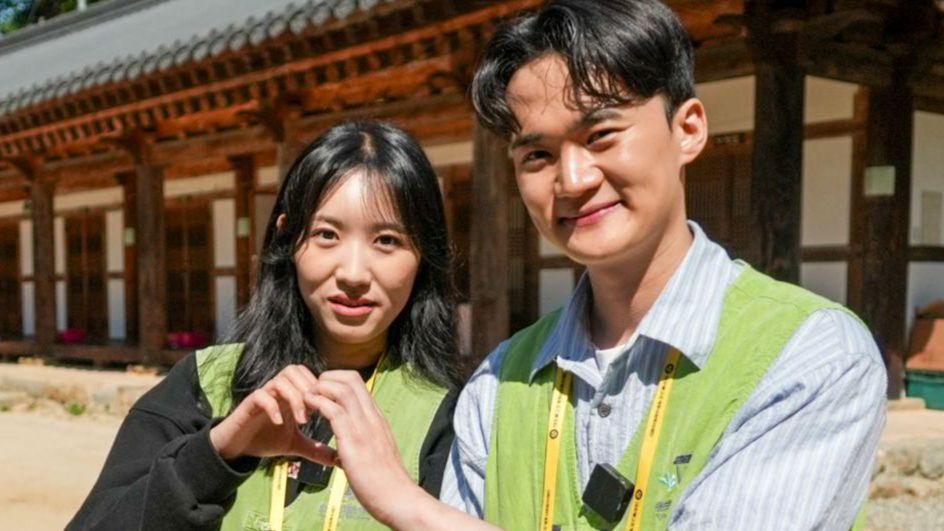
POLICY WIRE — Bangkok, Thailand — The air, usually thick with incense and the drone of meditative chants, now hummed with a different kind of anticipation. It wasn’t a retreat for enlightenment, nor a pilgrimage for peace, but rather, a rather unconventional quest for companionship. Twenty-four adults—an equal split of twelve men and twelve women, mind you—recently passed through the ornate gates of a serene Buddhist temple, not to shed worldly attachments, but specifically to find a lifelong one.
It sounds like a setup for a particularly dry sitcom, doesn’t it? But this peculiar scene, far from a comedic skit, marks a curious pivot in how traditional institutions grapple with contemporary social needs. We’re talking about an ancient spiritual sanctuary turning, however briefly, into a matchmaking arena. It’s certainly a stretch from the typical ascetic path. You can’t help but wonder what the venerable monks make of it all—their solemn vows contrasting sharply with the whispered hopes of burgeoning romance.
The premise is simple enough: modern individuals, increasingly disconnected by the digital cacophony, seeking genuine human connection. But why a temple? This isn’t a run-of-the-mill speed dating event, after all. Organizers reportedly believe the sanctity of the environment, the perceived spiritual purity, provides a more [QUOTE_PLACEHOLDER] meaningful backdrop for participants. They’re hoping the hushed reverence of hallowed halls will somehow translate into lasting devotion between strangers. It’s a bold bet, a veritable clash of sacred — and secular motivations. But in an era where loneliness has become an epidemic, folks are trying just about everything.
And let’s be honest, the traditional ways of meeting someone have eroded for many. Dating apps? They’re a mixed bag, offering breadth but often lacking depth. The office? Increasingly seen as a minefield for HR complaints. Friends of friends? Not everyone has a bustling social circle. So, where does one turn when the usual avenues lead to dead ends? Apparently, to those who’ve renounced such worldly entanglements altogether. It’s either ironic, desperate, or profoundly pragmatic—perhaps all three, depending on your cynicism level.
The participants, a motley crew of urban professionals and earnest seekers, are all reportedly single and [QUOTE_PLACEHOLDER] genuinely interested in marriage. No casual flings allowed under the watchful eyes of ancient deities, one presumes. Each individual went through an interview process, a vetting, if you will, to ensure they’re in the right headspace. That’s probably more rigor than most online profiles ever get. One hopes they’re also checking for any undeclared intentions or—God forbid—bad breath.
This trend isn’t isolated to one quiet corner of Southeast Asia, mind you. Across the globe, institutions traditionally removed from romantic matters are finding themselves drawn into the fray. Whether it’s community centers, university clubs, or even specialized cultural programs, the collective yearning for partnership is pushing boundaries. In parts of the Muslim world, for example, arranged marriages, while still practiced, are undergoing significant shifts, with young people seeking more autonomy and ‘love marriages’ becoming more common. Yet, there’s still an overarching cultural pressure to settle down—a pressure that often feels just as strong in a Thai temple as it does in a bustling Karachi marketplace.
According to a 2023 report by the World Economic Forum, global average marriage rates have seen a 7% decline over the past two decades, with an even steeper drop of 12% in certain urban centers across Asia. This context makes efforts like this temple matchmaking—no matter how unusual—feel less like an oddity and more like a symptom of a larger, systemic societal challenge. When the conventional means are faltering, you don’t scoff at unconventional solutions; you document them.
📄 POLICY WIRE WHITEPAPER PUBLISHED: PAKISTAN'S NATIONAL SECURITY POLICY PRIORITIES
👉 READ BY CLICKING HEREThe question isn’t whether these 24 souls will find love. It’s what this development signifies for the changing landscape of social relations and the surprising adaptability of religious institutions. Are monks becoming modern-day matchmakers? Perhaps. And it wouldn’t be the strangest evolution we’ve seen. From providing education to healthcare, spiritual centers have long served their communities in ways beyond pure doctrine. Adding marital guidance to the roster seems, in this light, less sacrilegious and more — sacred matchmaking, really.
What This Means
This curious endeavor speaks volumes about modern alienation and the enduring human desire for connection, even in unexpected places. Politically, it signals a quiet societal response to changing demographics and lifestyle patterns—particularly within rapidly urbanizing Asian contexts where traditional family structures are strained. As more individuals prioritize career over early marriage or simply struggle to navigate an increasingly complex social landscape, the vacuum is filled by novel approaches. It also underscores a broader shift in religious institutions: a pragmatic adaptation to stay relevant in an ever-secularizing, or at least diversifying, world. If temples can offer solace and a path to spiritual enlightenment, why not a path to shared Netflix subscriptions and domestic bliss?
Economically, there are subtle implications too. A rising demand for sophisticated, vetted matchmaking services, particularly those offering a sense of sincerity or gravitas that apps lack, hints at a niche market. This isn’t just about the personal quest for love; it’s about society’s evolving definition of community and support structures. Traditional rites, reinvented, can command a premium, especially when endorsed—even tacitly—by respected figures or hallowed grounds. It’s a testament to ingenuity, but it’s also a sobering reflection on the societal structures we’re gradually losing, the ones that once knit couples and communities together organically. Ultimately, it’s about adapting. Societies adapt, institutions adapt, and apparently, monks adapt too—even if it means occasionally swapping sutras for success stories.