


Trekking Tariffs: How High-Tech Footwear Exposes Asia’s Fissured Trade Routes
POLICY WIRE — Washington D.C. — You wouldn’t think a pair of advanced adventure boots, engineered for gnarly mountain trails, would offer a window into the dizzying complexities of global trade and...

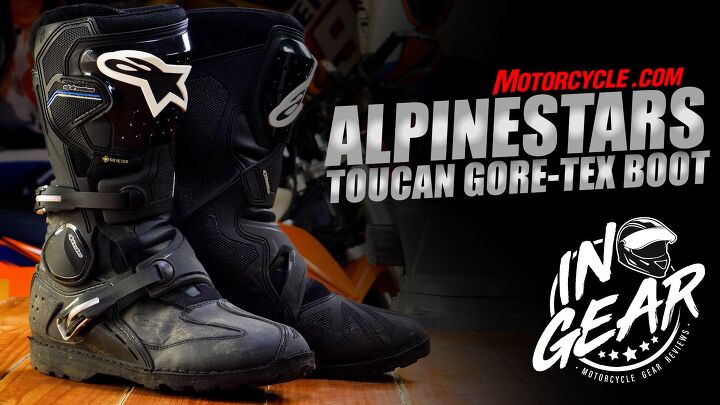
POLICY WIRE — Washington D.C. — You wouldn’t think a pair of advanced adventure boots, engineered for gnarly mountain trails, would offer a window into the dizzying complexities of global trade and regional economic aspirations. But here we’re, sifting through the gritty details of a product — a specific pair of Italian-designed, high-tech footwear — and seeing reflections of fractured supply lines, tariff debates, and the ever-shifting landscape of consumer demand in burgeoning economies. It’s not just about keeping your feet dry; it’s about a world trying to walk a very fine line between protectionism and open markets. And it’s not always pretty.
For decades, Western brands like Alpinestars, famed for their motorsports and outdoor gear, have navigated a maze of global manufacturing. They’ve sought skilled labor, cost efficiencies, and reliable infrastructure, often finding fertile ground far from their European roots. Consider Pakistan, for instance, a nation often overlooked in discussions of high-tech manufacturing, yet it’s a quiet giant in leather goods and textiles. The country’s export market in leather products alone raked in approximately $730 million in the fiscal year 2023, according to the Trade Development Authority of Pakistan. But turning raw materials into specialized Gore-Tex equipped boots, the kind adventurers truly rely on, that requires serious industrial heft and consistent quality control. It’s a leap many struggle to make fully independent.
U.S. Trade Representative Katherine Tai, speaking off-the-record during a recent roundtable on supply chain resilience, didn’t mince words. “Look, everyone talks about microchips, about pharmaceuticals,” she’d said, pausing to let the weight of her observation land. “But the same pressures—the same geopolitical frictions—they trickle down to everything. Even to what you wear on a Saturday hike. We’re working tirelessly to de-risk, to diversify. But you can’t wave a magic wand and instantly build advanced manufacturing capacity for every single component in five different countries.” Her pragmatism cuts through the usual Beltway bluster, reminding everyone of the sheer physical challenge of industrial redirection.
And those diversifications, believe it or not, come with their own political costs. Nations vying for a larger slice of that manufacturing pie often deploy hefty incentives, creating a zero-sum game that complicates trade agreements and bilateral relations. Pakistan, eager to attract more high-value manufacturing, has its own aspirations. “We recognize the opportunity here, absolutely,” commented Pakistan’s Federal Minister for Commerce, Jam Kamal Khan, during a Karachi press conference just last month. “Our workforce is talented, our costs competitive. We aren’t merely seeking assembly lines. We aim for full integration into high-performance product value chains. It’s about building a modern industrial base, not just churning out commodity goods.”
His words carry weight, but the reality on the ground often involves overcoming hurdles—everything from inconsistent energy supply to the perceived reputational risk associated with operating in certain regions. Because when an Italian company sells a premium boot globally, the consumer in Oslo or Osaka or even Lahore isn’t just buying material; they’re buying trust. They’re buying years of brand equity, stitched together from Italian design sensibilities and, perhaps, materials and labor from points far, far away. The complexity of guaranteeing that trust across continents and disparate regulatory environments is a nightmare for even the most seasoned procurement chiefs. You’d be amazed at the sheer logistics.
📄 POLICY WIRE WHITEPAPER PUBLISHED: PAKISTAN'S NATIONAL SECURITY POLICY PRIORITIES
👉 READ BY CLICKING HEREBut the market itself is also changing. Countries in South Asia, including Pakistan, are witnessing a rising middle class, an expanding cohort with discretionary income that’s increasingly seeking quality adventure gear. It’s no longer just an export story. It’s about cultivating local markets, adapting designs for regional preferences, and confronting the harsh realities of import duties and taxes that can make high-end gear exorbitantly expensive for the very people whose hands might have helped create parts of it. These are boots meant for trekking mountains, yes, but they’re also treading a path through convoluted economic policy.
What This Means
The seemingly innocuous review of a durable pair of boots, if we look closely, unfurls a more expansive narrative. It tells us about the brittle nature of global supply chains in a protectionist era. Every brand, every product, is becoming an unwitting pawn in a larger geopolitical chess match, often playing out far from the public eye. Companies are forced to weigh the stability of long-term production in developing nations against the increasing political pressure for ‘nearshoring’ or ‘friendshoring.’ And nations like Pakistan, caught between wanting foreign investment and fostering domestic industry, must skillfully play their cards. It’s an economic balancing act, where one wrong step—a new tariff here, a delayed shipment there—can have cascading effects, impacting everything from jobs in Karachi to retail prices in Copenhagen. We’re all connected, aren’t we? That boot on your foot might just be the most profound symbol of that messy interdependence.