


The Last Breath: Polio’s Fading Shadow, From Oklahoma to the Frontier of Eradication
POLICY WIRE — Washington D.C., USA — Long after classrooms shed their desks for remote learning and social media became the primary town square, an archaic hum of machinery still marked the...

POLICY WIRE — Washington D.C., USA — Long after classrooms shed their desks for remote learning and social media became the primary town square, an archaic hum of machinery still marked the unwavering routine of one American life. Martha Lillard, 78, from Oklahoma, passed away, effectively drawing a stark, almost theatrical, curtain on a particularly haunting act of 20th-century American medicine. But her story—it’s not just an obituary. It’s a raw, policy-heavy reminder that yesterday’s triumphs over disease don’t mean today’s battles are over. And it certainly spotlights what vigilance truly entails.
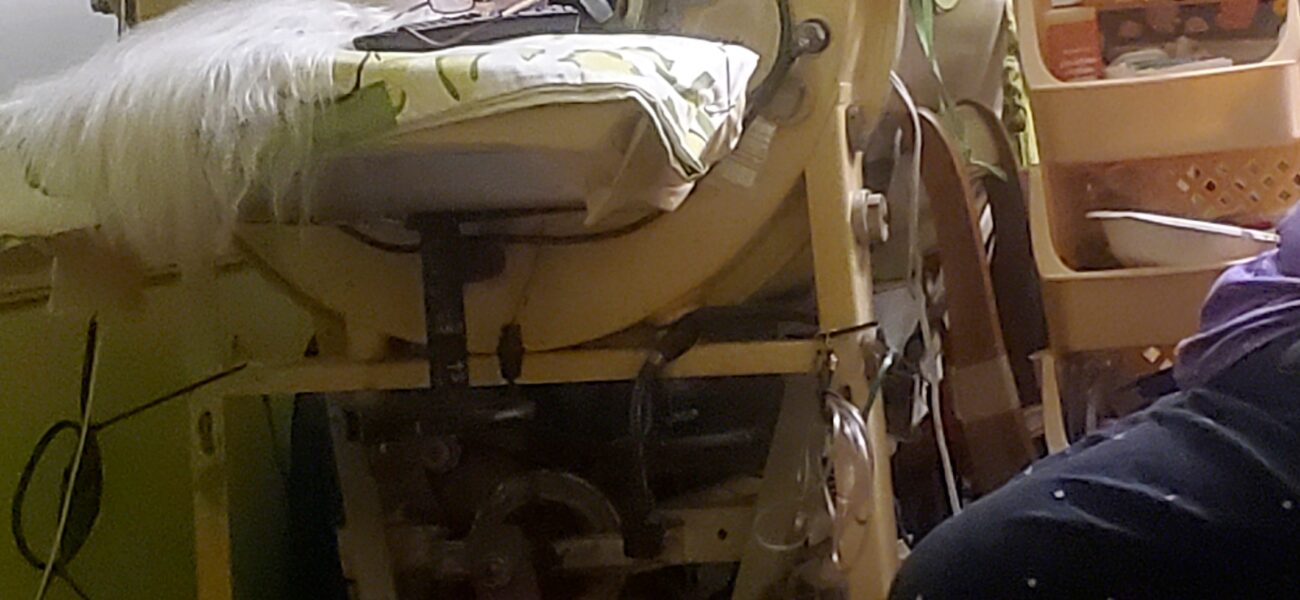
For seven decades, Lillard lived within—or rather, enabled by—a hulking contraption known universally as the iron lung. Her existence, constrained yet remarkably vibrant, served as a quiet monument to polio’s once-indomitable grip on developed nations. The virus, a scourge that crippled or killed hundreds of thousands globally in its prime, effectively banished children to these large metal tubes, forcing air in and out of collapsed lungs. It’s an image burned into history, — and Lillard’s continued need for it was a peculiar, almost anachronistic, fixture.
You see, polio in the West, it’s practically a ghost story, something our grandparents whisper about. Because effective vaccines were introduced, those harrowing wards filled with iron lungs became artifacts, relegated to medical museums. Most folks, they wouldn’t even recognize the contraption today. But the disease, while largely vanquished here, hasn’t evaporated everywhere. Not even close. We tend to forget that.
Lillard contracted paralytic polio when she was just six years old, back in 1953, two years before Jonas Salk’s injectable vaccine was licensed for general use. For her, recovery wasn’t possible; she’d become one of a dwindling number for whom the damage was irreversible, breathing an existence largely dependent on a negative-pressure ventilator system that made a metallic clamor around the clock. [QUOTE_PLACEHOLDER] It meant a constant, deliberate rhythm of air — and life. She once noted her iron lung was [QUOTE_PLACEHOLDER] more comfortable than any modern ventilator, [QUOTE_PLACEHOLDER] a poignant detail given the technological leaps medicine has made since.
But as America’s last known iron lung user departs, the real story shifts East. Polio remains stubbornly entrenched in pockets of the world—primarily Pakistan and Afghanistan. The global effort to eradicate polio, led by groups like the World Health Organization and UNICEF, still faces daunting challenges. Because despite monumental gains, mistrust, conflict, and accessibility issues persistently undermine vaccination campaigns. The Global Polio Eradication Initiative reports that in 2023, Pakistan alone recorded six cases of wild poliovirus type 1, underscoring the razor-thin margin separating triumph from recurrence.
And it’s a stark reminder: A disease isn’t eradicated until it’s eradicated everywhere. The persistent circulation of the virus in any part of the world poses a risk to all, capable of crossing borders, capable of re-establishing itself in vulnerable populations. That’s a policy conundrum with global consequences, requiring constant, tireless diplomacy and massive financial commitments.
📄 POLICY WIRE WHITEPAPER PUBLISHED: PAKISTAN'S NATIONAL SECURITY POLICY PRIORITIES
👉 READ BY CLICKING HEREWhat This Means
Lillard’s passing, while a personal tragedy for her loved ones, should serve as a stark political and economic bellwether. Her prolonged dependency on a 1950s machine highlights the colossal costs—both human and fiscal—of preventable diseases. The cost of lifelong specialized care for even one individual can be staggering, particularly when considering the sheer complexity of maintaining outdated yet essential medical equipment. We’re talking millions, if not tens of millions, over a lifetime, just for one person. It’s an economic argument for robust public health investment that policymakers often seem to forget when balancing budgets.
But the political implications go even deeper. The nearly forgotten terror of polio in the West has bred complacency, an ideological comfort zone that global public health leaders cannot afford. In regions like Pakistan’s Federally Administered Tribal Areas, where polio vaccine teams are sometimes met with suspicion, violence, or even active hostility—some religious leaders have peddled [QUOTE_PLACEHOLDER] misinformation [QUOTE_PLACEHOLDER] claiming vaccines are a Western plot or cause infertility—Lillard’s story is a vivid ghost of the potential future. The lack of access, the anti-vaccination narratives fueled by both genuine concern and deliberate disinformation, these are not just medical issues; they’re geopolitical challenges that destabilize regions and threaten global health security.
Eradication isn’t merely a medical feat; it’s a profound act of international diplomacy, public education, and security. Lillard lived just long enough to see the world teeter on the precipice of true polio eradication, a goal constantly thwarted by these non-medical variables. Her passing—it’s not an ending to the polio story. It’s a siren, a blaring reminder that until zero cases are achieved globally, until every last child is vaccinated, the shadow of the iron lung, and the specter of a re-emerging plague, hangs heavy. We forget that at our peril.