


New Mexico’s Triple Threat: Whistleblowers, Tax Fights, and Phantom Influence Rock the Land of Enchantment
POLICY WIRE — Santa Fe, New Mexico — It’s a bad sign when a state’s bureaucratic plumbing springs leaks in multiple spots at once, and even worse when the local press barely gets a chance to mop up...

POLICY WIRE — Santa Fe, New Mexico — It’s a bad sign when a state’s bureaucratic plumbing springs leaks in multiple spots at once, and even worse when the local press barely gets a chance to mop up one before another crisis hits. For the Land of Enchantment, July hasn’t just been hot, it’s been downright incendiary with a trifecta of unsettling news – painting a stark, if unsurprising, picture of a governmental apparatus perpetually teetering on the edge of its own machinations.
Because frankly, who’d have thought a tranquil, high-desert state would become a crucible for some of the grittiest dramas playing out in America? You’d think the major headlines would be about balloon fiestas or green chile. Not so. This time around, folks are wrestling with everything from claims of federal overreach to the local legislature’s incessant meddling with your paycheck, and then there’s that decidedly peculiar saga of alleged phantom support for a project, a kind of civic ghost in the machine.
Top billing—or maybe bottom, depending on your appetite for administrative drama—goes to the DEA whistleblower allegations
. It isn’t just whispers in federal hallways, but a full-throated cry suggesting something rotten in a key federal agency operating within the state. These aren’t minor complaints. We’re talking about potential cracks in the wall of an organization that’s supposed to be our bulwark against the dark tides of illicit substances—substances that, let’s be clear, don’t stop at borders. Pakistan, for instance, a nation grappling with its own substantial drug trafficking challenges, often faces direct and indirect repercussions from global drug enforcement actions—or inactions—where allegations of misconduct can undermine international efforts faster than a monsoon wipes out a mud track. The implications here could reach far beyond Santa Fe or Albuquerque, shaking confidence in international partnerships. When the DEA’s own ranks are calling foul, well, it forces us to squint hard at the machinery of power.
But Washington’s troubles aren’t the only game in town. There’s a homegrown headache brewing around a proposal about the state’s income tax
. New Mexicans, already accustomed to a bewildering array of fiscal policies, are now staring down another potential re-shuffling of their financial burdens. A certain segment of the political class always sees taxation not as a dull, necessary evil but as a rather exciting lever for social engineering. Sometimes it works. Often, it just grates. Every legislative session brings a new batch of these ideas, like clockwork. This particular iteration—just an unadorned proposal about the state’s income tax
—seems designed to inspire as much sighing as genuine debate. Tax policy isn’t just numbers; it’s about whose pocket gets picked and why, and in an era of precarious global markets and fluctuating oil prices—which significantly impact states like New Mexico—it’s hardly a trivial matter.
And then we come to the pièce de résistance: an NMDOJ investigation into fake support for Project Jupiter
. Take a moment. Just parse that: [QUOTE_PLACEHOLDER] Not just lack of support, mind you, but *fabricated* endorsement. It’s the kind of phrase that lights up a political journalist’s internal radar. It implies a coordinated effort, a conjuring trick to make a public initiative appear more popular, or more broadly backed, than it truly is. Is it mere political theatre, or something more nefarious? We don’t know much about Project Jupiter
itself—beyond its unfortunate association with this investigation into bogus endorsements. It might be an infrastructure boon or a pet project. The lack of specific information about Project Jupiter
forces one to use [QUOTE_PLACEHOLDER] when discussing its potential impact, a glaring void that underscores the early stages of this intriguing inquiry.
📄 POLICY WIRE WHITEPAPER PUBLISHED: PAKISTAN'S NATIONAL SECURITY POLICY PRIORITIES
👉 READ BY CLICKING HEREIt sounds like something plucked from a pulp fiction novel, yet here it’s, part of the weekly churn in a relatively small, politically vibrant state. This saga underscores a disconcerting trend we’ve observed nationally and even globally: the blurring lines between legitimate public engagement and manufactured consensus. Transparency? Public trust? They’re becoming increasingly elusive commodities, bought — and sold (or at least, manipulated) with alarming frequency. It’s no wonder people sometimes throw their hands up—it’s exhausting just trying to figure out what’s real.
What This Means
This triple convergence of alleged malfeasance and legislative jockeying isn’t merely a New Mexico problem; it’s a symptom of a broader societal friction—a global trust deficit. When a federal agency, a state’s tax policy, and a specific local project are all simultaneously under the microscope for issues ranging from whistleblowing to outright fabrication of public support, it signals a deeper malaise. The DEA allegations, if substantiated, don’t just compromise drug enforcement in the Southwest; they ripple out. An undermined DEA casts doubt on cooperation with countries like Pakistan, which relies on credible, uncorrupted intelligence to combat its own narcotics trade, which, according to the UNODC, funnels billions into illicit global economies each year. Such breaches erode confidence in crucial multilateral counter-narcotics strategies.
The state income tax proposal speaks to the perpetual push — and pull between governance and economy. In a period marked by significant inflation and economic uncertainty, any sudden shift in tax burden can have disproportionate impacts on middle—and lower—income families. It dictates the ebb and flow of capital within the state, influencing everything from local businesses to investment in social services. Then there’s Project Jupiter and its fake support; it points to a worrisome trend in political marketing and policy advocacy. Crafting false narratives to garner support for public initiatives can poison the well of civic engagement, making genuine, grassroots advocacy harder to discern and trust. It isn’t just about the project; it’s about the integrity of the public square. This erosion of trust isn’t unique to New Mexico; it’s a global phenomenon, from electoral manipulations in burgeoning democracies to misinformation campaigns run by sophisticated state actors. These are the narratives that matter, because they reveal just how fragile democratic institutions—even seemingly robust ones—can truly be.
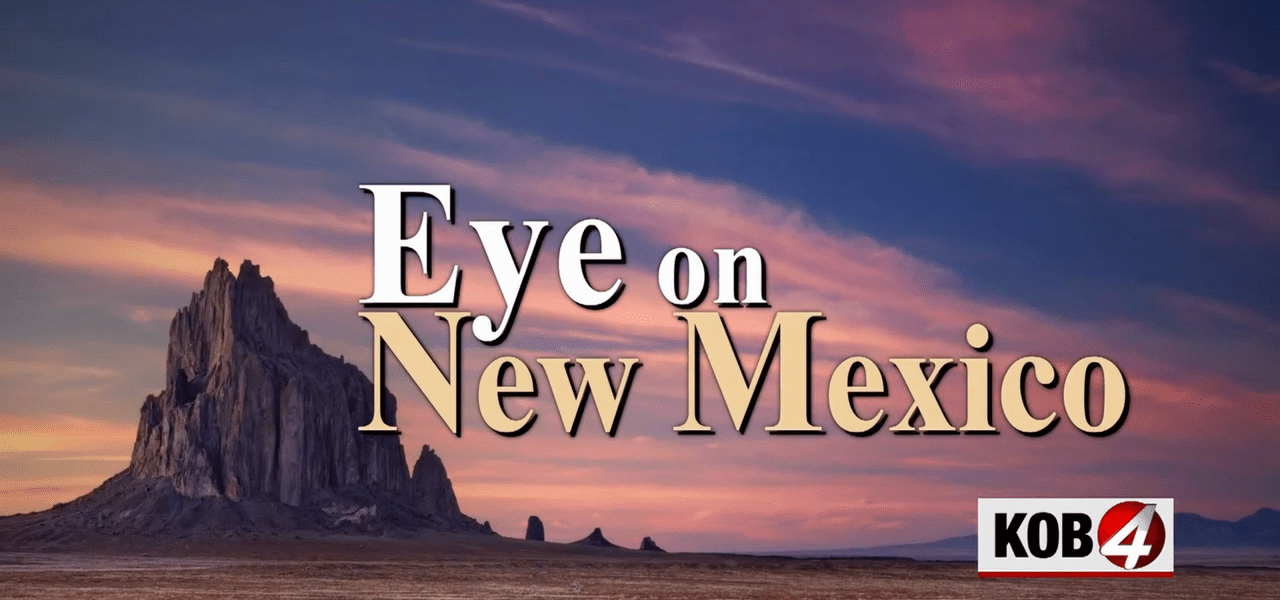
So, as the residents digest what KOB.com, through its Eye on New Mexico
segment, deemed noteworthy this week, they’re not just watching local news. They’re witnessing miniature versions of battles being waged across every continent: accountability versus impunity, transparency versus obfuscation, genuine consent versus manufactured illusion. And the outcome? Well, it’s far from decided. It’s messy. But it always is, isn’t it, when the stakes are this high?
📖 GET YOUR FREE COPY NOW OF POLICY WIRE DIGITAL MAGAZINE JULY 2026 EDITION
👉 READ & DOWNLOAD FREE MAGAZINE