


Diamond Dust & Dismissals: A Sober Look at MLB’s Roster Shuffle, Beyond the Box Score
POLICY WIRE — Washington D.C., USA — The merciless whir of the baseball machine hums on, spitting out careers and chewing up others, largely unnoticed by casual fans fixated on the next home run or...

POLICY WIRE — Washington D.C., USA — The merciless whir of the baseball machine hums on, spitting out careers and chewing up others, largely unnoticed by casual fans fixated on the next home run or bullpen implosion. While millions watch the Atlanta Braves slug it out, the deeper policy narrative—that of personnel as expendable commodities—plays out behind the scenes with a ruthless efficiency governments might envy. It isn’t just about who made the roster; it’s about the relentless, grinding recalculation of human value.
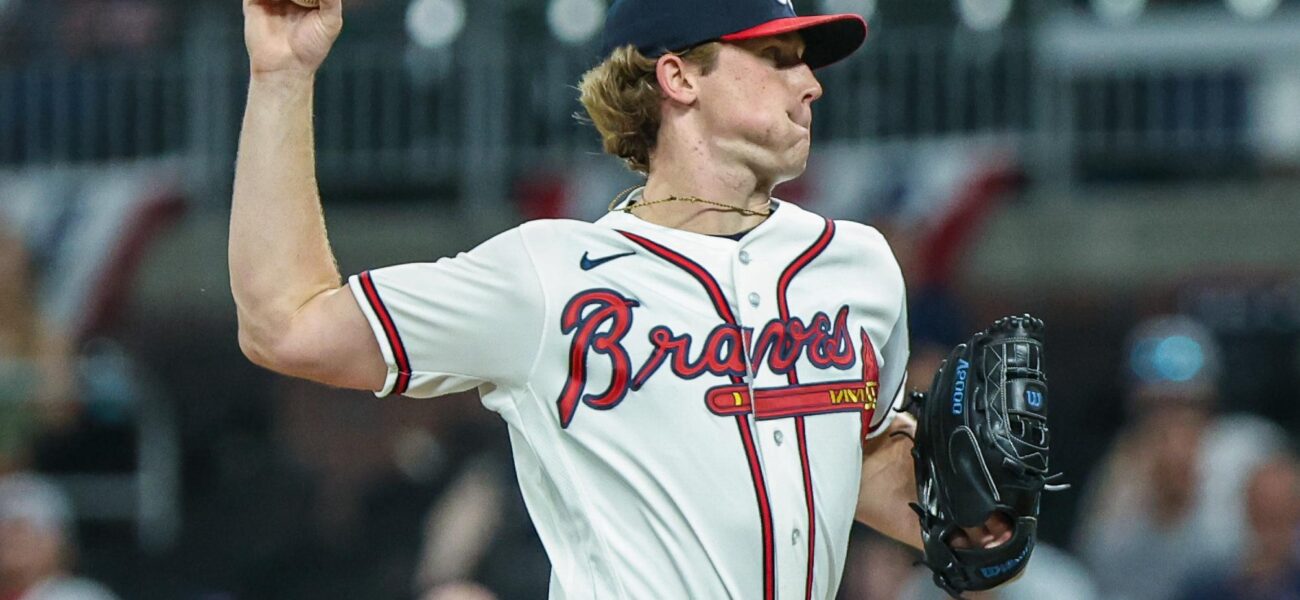
Just this week, as the Braves suffered a frankly embarrassing 12-4 drubbing from the Pittsburgh Pirates—a footnote in the grand scheme, really—their management made a series of moves that highlight the impersonal mechanics of professional sport. Right-hander Owen Murphy, a young gun, got just one shot, one rough inning against the Mets, before being unceremoniously optioned to Triple-A Gwinnett. He was gone. Just like that. His brief debut, a baptism by fire in an extra-inning bind, ended with the game-winning runs on his ledger, and then, swiftly, a ticket out of town. It’s the ultimate ‘what have you done for me lately’ ethos, distilled.
And Murphy wasn’t alone in this week’s strategic chess match. Lefty Connor Thomas was called up. Daysbel Hernández, another righty, was simply released. Recalled: James Karinchak. Paternity list: Tyler Kinley. It’s a revolving door, really, less a team — and more a dynamic portfolio of assets, managed with spreadsheet precision. For those outside the inner circle, it’s just names on a transaction log. But each entry represents a life, a career, a dream, often tenuously held. There’s no romantic drama here, just raw business.
Because in the relentless machinery of professional sport, sentiment is a luxury, an indulgence teams just don’t pay for, especially when the quarterly projections—or, you know, playoff aspirations—start looming large. Braves President of Baseball Operations, Alex Anthopoulos, reportedly observed, “These decisions are never easy on a personal level, but they’re made with one objective: championship contention. You’re constantly optimizing your resources, looking for even the slightest edge. It’s a competition for every roster spot, every pitch.”
But the players see it differently, of course. Sarah Grier, a prominent sports agent representing several MLB players, including some on minor league deals, put it bluntly: “These guys are often living on razor’s edge. One bad outing, one small dip in metrics, — and your life changes overnight. It’s a fantastic wage for some, but for many, it’s a grind that demands sacrifices rarely acknowledged. My clients? They know the deal. But it doesn’t make the call any easier when your club tells you your services are no longer required.” The average annual salary for a player in Triple-A, as of the last Collective Bargaining Agreement, sits well below six figures, a far cry from the multi-million-dollar deals seen at the top tier, according to reports by the Athletic. It’s a stark reminder of the tiered economic realities even within the same profession.
This perpetual shuffle, this commodity trading of human potential, has echoes far beyond the ballpark fences. Imagine labor markets in emerging economies—say, Pakistan. Talent is there, undeniable potential in millions, yet the infrastructure, the investment, the clear pathways to global recognition remain elusive. Much like a promising minor leaguer without a clear path, raw talent in places like Karachi or Lahore might never receive the systemic support to flourish on an international stage, not because of a lack of skill, but a lack of opportunity—a different kind of ‘optioning’ off the global stage. It highlights how even in systems designed for opportunity, only a privileged few ever truly make it, mirroring economic disparities seen on a far grander scale.
What This Means
This seemingly mundane flurry of transactions signals more than just an attempt to refresh a bullpen before the All-Star break. It’s a policy statement on the fungibility of athletic talent. The management’s calculus is brutal: every player is an asset, — and every asset must deliver quantifiable returns. If they don’t, another commodity awaits to fill the gap. It’s an economic model, really, applied to humans, wherein performance metrics dictate not just pay, but fundamental professional existence. This rapid cycling of personnel might offer short-term strategic benefits to a team like the Braves, keeping fresh arms cycling through the roster. But it fosters an environment of perpetual anxiety for players, undermining any sense of long-term security. It trains athletes to see their careers as transactional in the purest sense—a series of temporary contracts, easily terminated. The real policy implication lies in the dehumanizing efficiency it normalizes, turning passion into a perishable product and personal journeys into line-item adjustments. And with Ronald Acuña Jr. reportedly nearing a rehab assignment, the system is about to find another cog for its polished gears. Meanwhile, the game marches on, always replacing, rarely pausing.