


Hoops & Hard Cash: Sabonis’s Gonzaga Gift Re-frames Loyalty in a Transactional Era
POLICY WIRE — Spokane, Washington — The whispers grew louder than any packed arena on a game night, buzzing through Spokane’s usually quiet summer air. But by the time a trio of NBA All-Star...

POLICY WIRE — Spokane, Washington — The whispers grew louder than any packed arena on a game night, buzzing through Spokane’s usually quiet summer air. But by the time a trio of NBA All-Star Domantas Sabonis, his wife Shashana Rosen, and a few choice family members turned up for a seemingly innocuous golf clinic put on by Bank of America for some local Boys and Girls Clubs, the poorly kept secret was pretty much common knowledge. This wasn’t just another charitable appearance, folks. This was the precursor to a bombshell. It felt almost staged, a public-facing diversion for something much, much bigger.
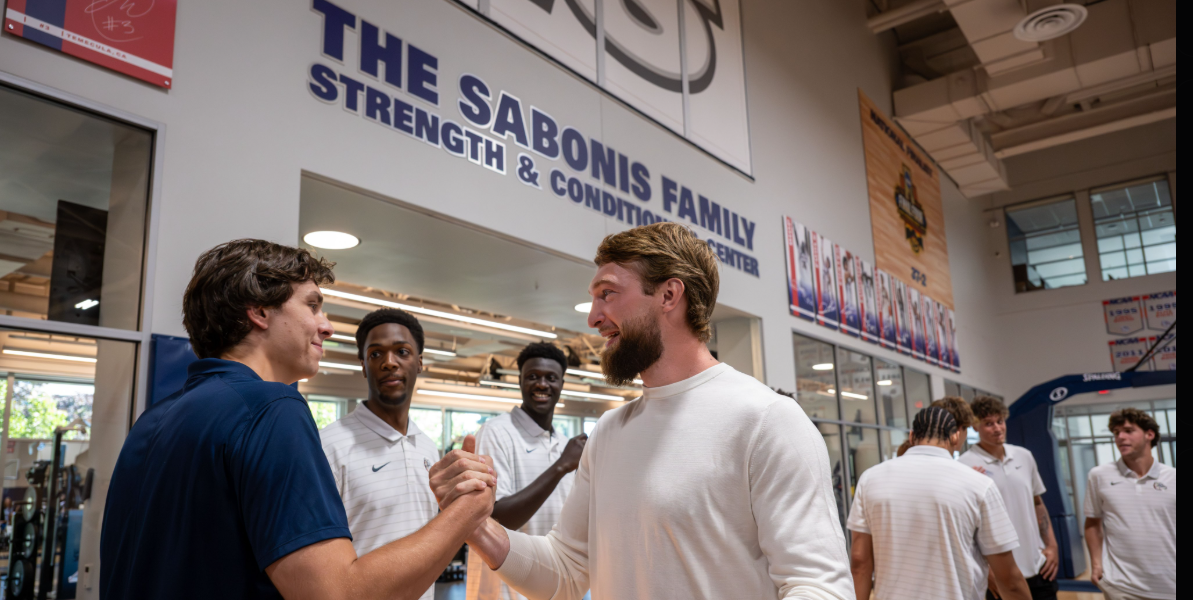
It’s now official: the former Gonzaga Bulldog, Lithuanian export, and current Sacramento King—Sabonis, in case you hadn’t guessed—has unleashed what the university calls a “transformative investment” into both its men’s and women’s basketball programs. While the official number remains a closely guarded secret—a common trick, that—it’s been touted as the single largest donation ever coughed up by a former player. Think about that for a second. An anonymous act of grand generosity finally unmasked, giving way to the now aptly christened Sabonis Family Strength & Conditioning Center, sitting snugly beside the Steve Hertz Basketball Practice Facility.
And what a show they put on for the dedication. Coaching staff, a good chunk of the upcoming roster, even vintage Zag hero Kevin Pangos—a senior point guard when Sabonis was just a freshman back in ’14-’15—were all there, paying homage. It wasn’t just handshakes and smiles; Sabonis even shared a quiet moment with redshirt senior Braden Huff, both having slogged through similar knee injuries this past season. You could almost feel the weight of shared experience in the room. But behind the warmth, there’s a serious financial commitment. It speaks volumes, doesn’t it?
“I’m incredibly grateful for the important role Gonzaga has played in my life and the opportunities the University has given me,” Sabonis articulated, his voice clear but laced with an almost humble reflection. “My family and I are honored to make this gift because we believe in Gonzaga’s commitment to developing student-athletes on and off the court each and every day. Gonzaga will always be home to us, so we’re proud to help invest in the next generation of Bulldogs.” It’s a sentiment often heard, but in this age of high-stakes sports business, rarely seen backed with such substantial private capital. These days, genuine loyalty often feels like a quaint, forgotten concept—a nice little counter-narrative to the common refrain of ‘no loyalty’ in the NBA’s brutal market.
Coach Mark Few, the program’s longtime general, naturally echoed the gratitude. “Domantas earned the respect of everyone in our program through his relentless work ethic, toughness, and unwavering commitment to his teammates. This is a significant gift from a remarkable family, — and we’re deeply grateful for their generosity. Their investment will have a lasting impact on our student-athletes and help ensure future generations of Bulldogs have every opportunity to grow and succeed.” But what Few didn’t say, but everyone understands, is what this kind of cash injection does for a relatively small, private institution going head-to-head with basketball powerhouses.
Because let’s not mince words: this isn’t pocket change. Data from the NCAA in 2022 showed that Division I public schools alone raked in an average of $37.5 million in donor support for athletics. Sabonis’s undisclosed figure, likely in the multi-millions given its billing, certainly helps Gonzaga compete for those top-tier recruits. The optics alone—an active NBA star throwing big money back to his college—are recruiting gold, showing a clear, tangible return on investment for hopeful youngsters. It isn’t just about weightlifting equipment; it’s about prestige — and attracting the future.
And this act, mind you, doesn’t happen in a vacuum. It offers a fascinating counterpoint to how sports philanthropy is developing globally. Consider the burgeoning sports industries in regions like the Muslim world, specifically in places like Pakistan or the UAE. While state-backed entities or corporate behemoths often spearhead large-scale investments there, the model of individual, high-profile athletes channeling their immense earnings back into formative grassroots programs or collegiate institutions is far less common—or at least, less publicized. Such a visible act of ‘giving back’ from a player like Sabonis sets a powerful precedent, a kind of soft power influencing how emerging sports markets might view the role of the athlete as an economic and social contributor, not just a performer. They could certainly take a page from this playboook.
What This Means
This Sabonis family donation isn’t just a win for Gonzaga; it’s a ripple in the complex economy of collegiate sports. Economically, it solidifies Gonzaga’s ability to remain competitive at the highest levels, potentially freeing up other university funds for academic or infrastructure needs. But it’s also a public declaration of trust in the institution at a time when college athletics is a whirlwind of NIL deals and transfer portal drama. It serves as a reminder that some relationships transcend mere transactions, offering a blueprint for long-term athlete engagement. It provides stability in a sea of volatility. The message is clear: this institution isn’t just a stepping stone; it’s a family.
Politically, while not a state actor, Sabonis’s high-profile generosity underscores the growing influence of athletes as philanthropic agents, subtly lobbying for causes they care about simply by putting their money where their heart is. And, don’t forget, his presence—a European player, now an NBA All-Star—symbolizes Gonzaga’s long-standing success in recruiting and developing international talent, a model that continues to pay dividends for the university, both on the court and now, apparently, in the donor columns. But you have to wonder, when the dust settles, will other players follow suit with such quiet, monumental contributions, or will the allure of personal branding and immediate returns through NIL deals always take center stage?