


Gymnastics’ Iron Maiden: Katelyn Ohashi Defies Time, Ignites Global Debate on Athletic Longevity
POLICY WIRE — Hartford, Conn. — The digital graveyard of viral fame is packed to the brim with fleeting moments, dazzling yet ephemeral. Think about it: remember those internet sensations who...

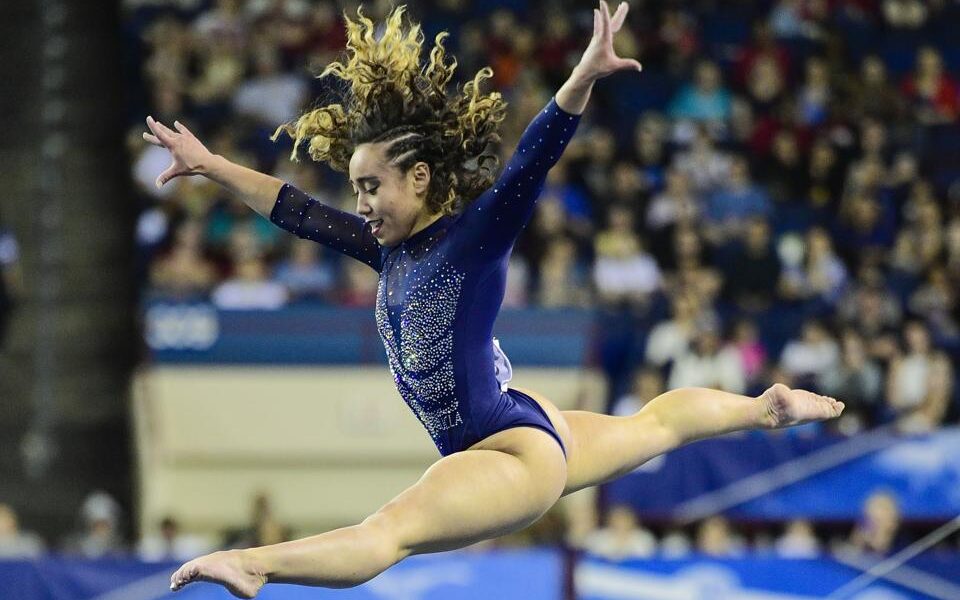
POLICY WIRE — Hartford, Conn. — The digital graveyard of viral fame is packed to the brim with fleeting moments, dazzling yet ephemeral. Think about it: remember those internet sensations who captivated us for a hot minute before fading into algorithmic dust? It’s a cruel game, this perpetual churn of public fascination. But then you’ve got someone like Katelyn Ohashi. A gymnast who once owned a hefty chunk of the internet’s attention with a single, gravity-defying routine—we’re talking over 60 million views in a scant four days for her 2019 UCLA floor masterpiece. She’s not just defying gravity; she’s actively defying the conventional wisdom that decrees professional athletes, particularly women in such a physically grueling sport, have a short, irreversible shelf life.
At 29 years old—an age when many gymnasts have long since swapped their leotards for coaching whistles or retirement galas—Ohashi is making a bona fide return to the elite competitive stage. Next week, she takes her skills to the U.S. Classic in Hartford. And it’s not some nostalgic exhibition. This is the real deal. A path paved back to the U.S. Championships, a journey that started with her reentry into elite competition for the first time in 13 years this past June.
It’s a peculiar thing, seeing a comeback story unfold in such an unforgiving sport. Most athletes—especially from regions like South Asia or the Muslim world, where careers in professional sports for women are often cut short by cultural expectations, family pressures, or simply a lack of sustained infrastructure—face an expiration date far younger than Ohashi’s current age. Think of the immense societal friction a Pakistani or Egyptian gymnast might encounter trying to maintain such a rigorous regimen into her late twenties, let alone launching a comeback after a decade-plus hiatus. It paints a stark picture of privilege, passion, — and persistence.
Ohashi, meanwhile, sees it with disarming nonchalance. “I have nothing to lose and everything to gain,” she said Thursday, articulating a mindset far removed from the crushing pressures typical of elite sports. She’d already tested the waters at the 2026 American Classic, competing on the floor exercise and balance beam, snagging third place on the latter. This time, Hartford’s bigger stage beckons, — and the stakes? She needs to tally 26.800 points combined from her two events to qualify for August’s U.S. Championships. At the American Classic, she pulled a 24.650, falling short by a couple of points, but the journey has just begun.
Her approach is refreshing, almost contrarian. Whereas her pal, three-time Olympic medalist Jade Carey, was reportedly characteristically stoic as they walked into the American Classic, Ohashi found the whole thing genuinely amusing. She recalls: “Just being there was so funny. Walking in, seeing the same judges that judged me 13 years ago – I thought it was hilarious. I was like having a blast saying hi to everybody.” Carey, perhaps sensing Ohashi’s infectious levity threatened to break her pre-competition focus, deadpanned: [QUOTE_PLACEHOLDER] But funny or not, Ohashi nailed a strong 13.150 on the beam, a very good baseline
as she put it, proving this isn’t just a feel-good tour.
Her training looks different now. Gone are the endless, brutal repetitions of a teenage prodigy. “After every practice, I’m always going straight to [physical therapy],” she shared. And, she makes certain I don’t do too many reps, but I make sure the ones I do count.
It’s a strategic shift, prioritizing quality and— crucially—longevity, acknowledging the whispers of past injuries that truncated her initial career in 2013. The evolution in her mindset mirrors changes in the sport itself; as she notes, So much has changed in elite gymnastics in the past 13 years, and even gymnastics in general,
and now, she’s finding her spot in this altered landscape. She hopes to eventually add uneven bars by 2027, but for now, it’s beam — and floor. Ohashi only performed a dance-through
floor routine at the American Classic, indicating she’s saving some fireworks.
And then there’s the environment in Hartford itself. It’s a big arena, packed with cheering fans — and bright lights, something Ohashi says she thrive[s] in
. “I’m actually super excited to be back in that environment, so we’ll see how it goes. But yeah, I’m just gonna have fun with it.” This isn’t just about making a score; it’s about reconnecting with a joy that transcends mere competition, a spectacle of human spirit.
What This Means
Ohashi’s improbable comeback is more than just a sports narrative; it’s a quiet disruptor with ripple effects touching policy and economic structures. For starters, it challenges the economic model of sports careers. How does an athlete, particularly one without mega-star endorsements typical of other sports, maintain a livelihood after an initial career ‘ends’ but before total retirement? Her sustained visibility, even with an interval, demonstrates the potent, if unpredictable, power of online virality. Companies are increasingly keen on tapping into such enduring public narratives. Policy-wise, Ohashi’s rigorous physical therapy routine highlights the woefully inadequate support for post-career athlete healthcare, particularly in disciplines where the body pays a heavy price. It’s an ongoing conversation, often sidestepped by governing bodies.
This saga also subtly speaks to broader societal trends concerning women’s careers — and perceptions of age. Her unapologetic return in a youth-centric field, post-30, offers an important cultural statement. This is especially resonant in conservative societies—including parts of the Muslim world—where women are often channeled into traditional roles, sometimes feeling external pressure to leave professional pursuits, athletic or otherwise, by their mid-twenties. Ohashi’s resilience might not directly influence policymakers in Islamabad or Cairo, but it reinforces the growing global demand for gender equity and choice in professional longevity. This push for women’s athletic freedom is gaining traction, much like the cultural diplomacy efforts aimed at fostering understanding through shared experiences. it spotlights the need for robust youth sports programs that teach not just athleticism, but also the enduring mental resilience required to weather a comeback, informing discussions around public health funding and athlete development pipelines globally. In an economic landscape where even baseball’s biggest stars face existential career questions, Ohashi’s second act is a testament to the intangible value of human will, offering a template for defiance against obsolescence.