


Silent Scorecards: Atlanta’s Big Bet on the Diamond’s Fringes
POLICY WIRE — Pittsburgh, Pennsylvania — It wasn’t the searing heat, nor the typically boisterous PNC Park crowd, that felt heaviest last night as the Atlanta Braves took the field...

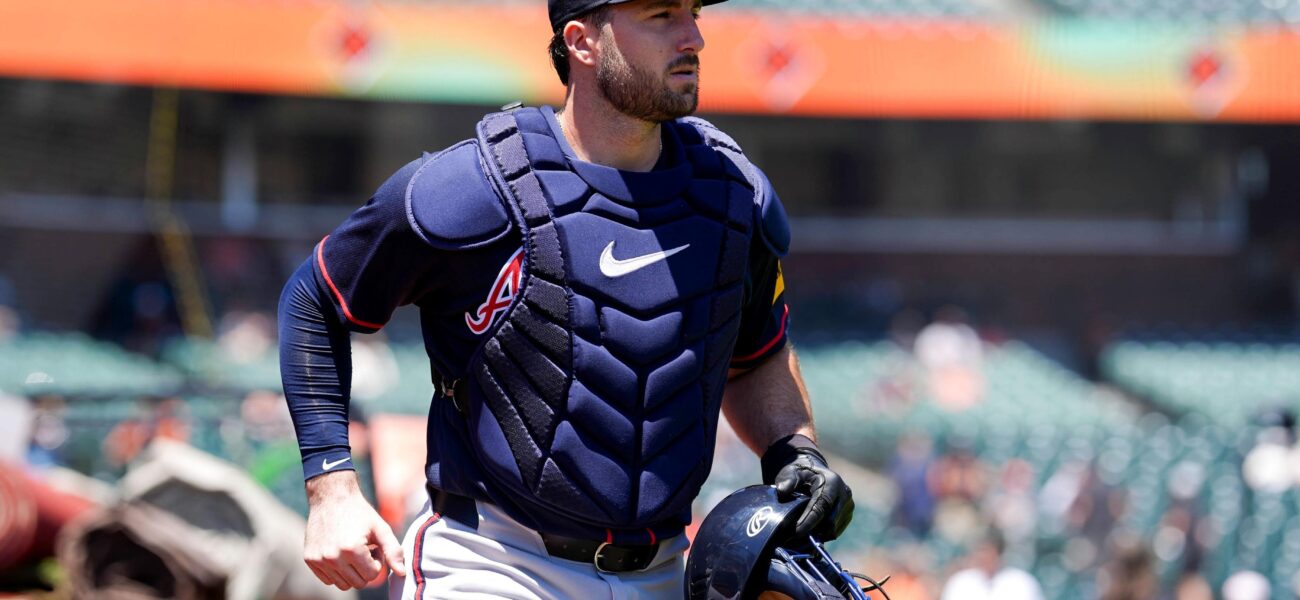
POLICY WIRE — Pittsburgh, Pennsylvania — It wasn’t the searing heat, nor the typically boisterous PNC Park crowd, that felt heaviest last night as the Atlanta Braves took the field against the Pittsburgh Pirates. No, the real pressure cooker was internal, simmering right there in the lineup card: Joey Bart, the struggling catcher, inexplicably batting ahead of Drake Baldwin, who’s actually been, well, producing. This wasn’t just a tactical shift; it was a front-office statement, a high-stakes poker move masked as a mid-season roster adjustment. And the pot? It’s much larger than a single game.
The murmurs started the moment the lineup dropped. Drake Baldwin, usually the man behind the plate, found himself designated hitter, a clear signal. But it wasn’t a demotion, exactly, more a reshuffle designed to force the issue with Bart, whose numbers have been a gut punch to anyone tracking them since he landed in Atlanta. This team’s brass, they’ve invested. Deep pockets, deeper hopes.
“Look, the numbers aren’t exactly screaming ‘Most Valuable Player’, are they?” a seasoned scout, who asked not to be named to protect club relations, quipped from the press box, sipping lukewarm coffee. “But Bart’s got tools. He’s got the pedigree. Sometimes you gotta force the issue, throw him to the wolves, — and see if he fights back or gets eaten. That’s big-league baseball, son.” This calculated gamble on Bart, who’s limped along with a slash line of just .136/.269/.318, begs the question: how much is potential truly worth in the cutthroat economy of professional sports?
Because that’s what this is, ultimately — a ledger. Baseball, like any massive global enterprise, doesn’t run on sentiment. It operates on dollars — and cents, on the cold hard calculation of talent acquisition versus output. A team’s investment in a high-draft pick, even one like Bart who’d initially underwhelmed elsewhere, carries a long tail. They don’t just give up on those sorts of capital expenditures lightly. Imagine telling a board of directors that a multi-million-dollar acquisition is just… sitting there. It doesn’t fly. The tension between investment and immediate returns is palpable across sports, from Premier League football clubs in the Gulf to, well, here in Pittsburgh.
Meanwhile, Baldwin — Mr. Consistent — has shown renewed vigor this July. But you can’t help but wonder what he makes of his battery-mate’s statistical woes now impacting his role. The dynamics of a clubhouse can be as intricate, — and as volatile, as any geopolitical alliance. And players, regardless of how often they preach ‘team first,’ are still human, aware of their own market value.
Grant Holmes, the Braves’ pitcher for the night, faced the unique challenge of forming a new battery with Bart for the first time. It’s an athletic marriage, a trust forged pitch by pitch. When the pieces aren’t clicking, when the chemistry is forced, even the most fundamental tasks — like throwing strikes — become that much harder. “It’s never ideal to adjust your rhythm mid-season, especially with your backstop,” observed Maya Khan, an independent sports analyst specializing in team psychology, speaking to Policy Wire from her Lahore office. “But coaches have to weigh the known discomfort against the unknown upside. Sometimes, you just cross your fingers — and hope the discomfort is temporary. Like a bowler on a challenging wicket; you pray the variations find their mark eventually.” That’s the kind of subtle pressure these individuals operate under, thousands of miles removed from the cheers, with entire careers hanging by a single inning, a single decision.
📄 POLICY WIRE WHITEPAPER PUBLISHED: PAKISTAN'S NATIONAL SECURITY POLICY PRIORITIES
👉 READ BY CLICKING HEREThe statistical portrait isn’t flattering for Bart: his 68 wRC+ — a metric normalizing offensive performance relative to the league average, where 100 is average — paints a stark picture. And for the curious, this data often comes straight from publicly accessible platforms like FanGraphs, allowing armchair analysts to dissect every granular performance detail. For better or worse, the numbers don’t lie; they just don’t tell the full story of effort, or nerve, or internal struggle.
What This Means
This lineup shift is more than just baseball; it’s a window into the harsh realities of athletic contracts, performance evaluation, and team management under pressure. For one, it highlights the ‘sunk cost fallacy’ in professional sports: the inherent difficulty for organizations to abandon significant financial or draft-pick investments, even when current performance is underwhelming. Atlanta, like many deep-pocketed clubs, might be opting to exhaust every possible avenue to rehabilitate Bart’s value before conceding. Economically, this avoids a complete write-off, attempting to recapture *some* return on their investment.
Politically, within the ecosystem of the clubhouse, such decisions can breed discontent or foster rivalries — dynamics mirrored in any high-performance, hierarchical organization. A coach (or manager) often walks a tightrope, balancing immediate competitive needs with long-term roster development and player morale. A poorly handled situation, even with the best intentions, can destabilize team cohesion, leading to wider performance dips that impact not just individual statistics, but playoff chances and, ultimately, revenue streams. It’s a gamble, plain and simple, one that plays out nightly, silently, for all the world — or at least, the fan base — to dissect.