


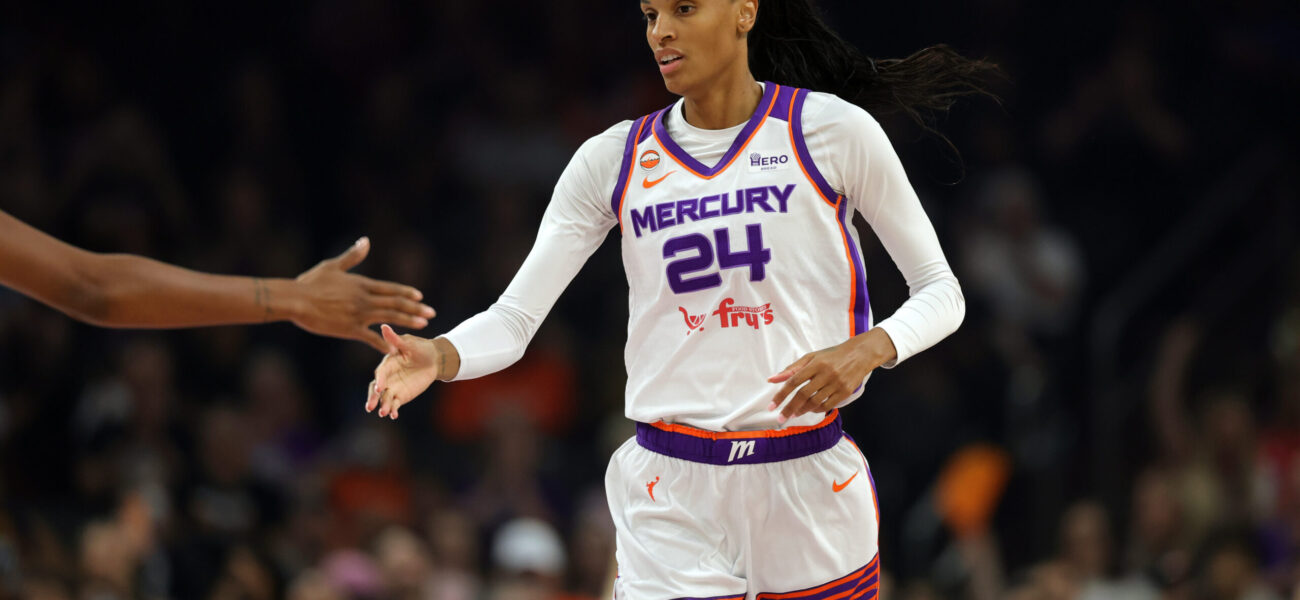
WNBA’s Phoenix Grind: A Microcosm of Global Streaming Ambitions
POLICY WIRE — Washington D.C., USA — It’s just another Thursday night basketball game, or so the promotional material insists. But peel back the layers of a typical WNBA mid-season dust-up—this...

POLICY WIRE — Washington D.C., USA — It’s just another Thursday night basketball game, or so the promotional material insists. But peel back the layers of a typical WNBA mid-season dust-up—this one featuring the Indiana Fever and Phoenix Mercury—and you don’t just see athletes competing. What you’re witnessing, instead, is a minor-key symphony of global economic trends, media strategy, and soft power plays. It isn’t just about hoops anymore, not really.
Forget the box score for a moment. This particular clash, slated for Thursday, July 9, is less about who notches more points in Phoenix, Arizona, and more about who’s watching, how they’re watching, and what those eyeballs mean for digital platforms eager to conquer new markets. The WNBA, once a niche interest, now sits squarely in the crosshairs of tech giants like Amazon’s Prime Video. Their play? Simple, yet expansive: Make compelling content—even something as specific as women’s professional basketball—globally accessible, blurring geographic lines for fan engagement. And let’s be honest, they’re doing a pretty good job of it.
This match-up, happening just a couple of days shy of the All-Star break, sees [QUOTE_PLACEHOLDER] But that ambition extends far beyond the players on the court. It extends to the boardroom where executives gauge subscription rates, analyze viewership spikes, and plan their next conquest. Indiana, they say, enters [QUOTE_PLACEHOLDER] Names like these, already resonate beyond American shores, driven by clever marketing and a genuinely captivating product. Because, really, who doesn’t love a good rivalry? The Fever have already snagged one win this season against the Mercury, an 86-77 victory, but then Phoenix promptly answered with a narrow 111-109 win two days later. So this tiebreaker? It’s more than just a game.
It’s about data points. Every stream initiated, every click on a promo, it’s all fed into algorithms refining strategies for regions you wouldn’t initially connect to a basketball game played in Phoenix. Take Pakistan, for instance. A nation gripped by cricket, where the public role of women in sports has been, historically, more circumscribed. Yet, the internet’s borderless reach means content platforms aren’t just targeting the usual suspects. They’re making calculated bets that compelling narratives, regardless of origin, will find an audience everywhere. That a generation accustomed to mobile access might stumble upon – and become enamored by – a hard-fought contest in the WNBA’s rapidly expanding footprint, even as geopolitical currents sometimes make such cultural exchange seem…complicated. The world is watching. It just happens to be watching on a 6-inch screen, thousands of miles away. It’s a silent invasion, a digital cultural spread that governments can rarely fully contain.
The Mercury, on their home court at the Mortgage Matchup Center, will rely on [QUOTE_PLACEHOLDER] to get their house in order. They’ve been [QUOTE_PLACEHOLDER] Consistency, funnily enough, is what these streaming platforms crave most: consistent eyeballs, consistent revenue, consistent global penetration. It isn’t about patriotic fervor for a local team; it’s about universal appeal in the purest commercial sense. It’s about a cultural product packaged for maximum international bandwidth.
But how do you cultivate an audience in places where local media may not cover women’s basketball with the same fervor as, say, Premier League football or the Pakistan Super League? You make it ridiculously easy to watch. A recent analysis from SportsPro Media suggests that subscription services offering major global sports saw an average 18% increase in non-traditional market viewership over the last two years. That’s not insignificant. You entice them with promises of a free trial, of content at their fingertips—no cable box, no regional blackout frustrations, just direct access to a burgeoning, entertaining league. They say it has [QUOTE_PLACEHOLDER] They’re right, but the battle is bigger than the scoreboard.
What This Means
This particular WNBA fixture, set for a 10:00 p.m. ET tip-off, isn’t just sports news. It’s a testament to the quiet revolution reshaping global media consumption and the economic models underpinning professional sports. For nations like Pakistan, where digital penetration is high and younger generations are increasingly attuned to global culture via their smartphones, this represents both an opportunity and a subtle challenge. Opportunity, because it diversifies accessible content — and potentially offers new forms of entertainment. Challenge, because it introduces — or perhaps reinforces — external cultural touchpoints that might compete with local traditions or narratives.
The sheer global accessibility through platforms like Prime Video means that sports, traditionally tied to geographical fanbases, are now becoming digital commodities. These aren’t just games; they’re content units in a sprawling, multi-billion-dollar global media ecosystem. And the WNBA, with its rising stars and engaging product, has become a surprisingly effective arrow in the quiver of these streaming giants, pushing women’s sports into living rooms and mobile screens across continents, whether governments and traditional gatekeepers like it or not. The digital sphere, it seems, remains stubbornly agnostic to political borders.
But the real takeaway? The modest WNBA game tonight is less about who makes the final shot, and more about the ever-expanding reach of big tech. It’s a soft power play, plain — and simple, dressed up in uniforms and athletic competition. And it’s working. Whether the Fever [QUOTE_PLACEHOLDER] or the Mercury manage to [QUOTE_PLACEHOLDER] is almost secondary to the deeper currents of global media maneuvering.