


Turf War: New Mexico Agencies Square Off as Child Welfare Chief Denies Accusations
POLICY WIRE — SANTA FE, N.M. — A bureaucratic skirmish, far from a quiet policy debate, is boiling over in New Mexico, with state agencies clashing dramatically over the delicate matter of child...

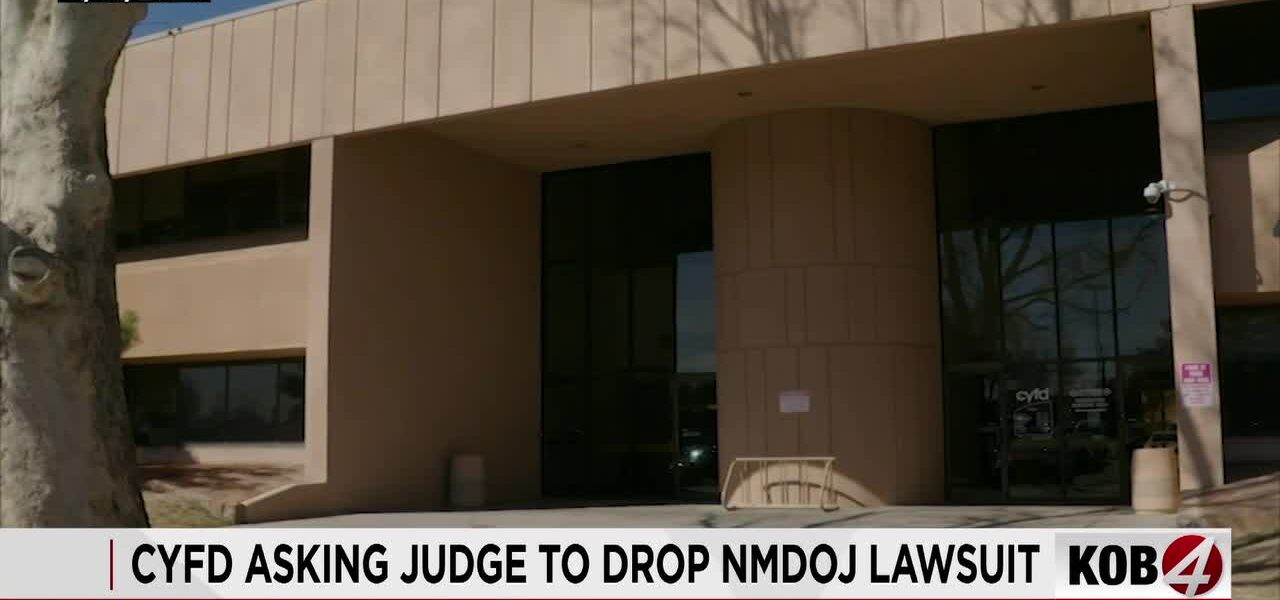
POLICY WIRE — SANTA FE, N.M. — A bureaucratic skirmish, far from a quiet policy debate, is boiling over in New Mexico, with state agencies clashing dramatically over the delicate matter of child welfare. It’s not just about procedural disputes; it’s about power, transparency, and who truly holds the keys to accountability in government operations—especially when vulnerable populations are on the line. The state’s Children, Youth and Families Department (CYFD), an entity charged with the immense responsibility of protecting children, isn’t just defending itself; it’s going on the offense, telling a judge the state’s top prosecutor ought to pack up his grievances.
No, this isn’t some polite request for clarity. It’s an explicit demand. The department has asked the court to throw out the lawsuit — and bar the state from filing it again. That’s a pretty bold move. It effectively says, ‘Our books are closed to you, forever, or at least for this particular brand of judicial meddling.’ You’d think agencies would collaborate on kids’ safety, wouldn’t you? But here we’re. It often comes down to this sort of internecine warfare in state capitals. [QUOTE_PLACEHOLDER]
The state’s Department of Justice (NMDOJ) first threw down the gauntlet in April, alleging not just run-of-the-mill missteps but something far more insidious: systemic failures. But that’s not even the juiciest part, is it? The accusations delve into something far more troubling than simple incompetence. We’re talking about allegations of misusing state laws to reportedly go after possible whistleblowers. If true, it paints a rather grim picture of internal power plays, where calling out wrongdoing becomes a career-ending—or at least career-threatening—offense. It creates a chilling effect.
But the top prosecutor, Raúl Torrez, has made his stance crystal clear, pulling no punches. His quote says it all, doesn’t it: Let there be no mistake the era of CYFD stonewalling, of hiding behind confidentiality, of threatening and intimidating people and retaliating against people is over. That’s strong stuff, a declaration of war, if you like, not just a legal brief. It shows the frustration of the AG’s office; they aren’t merely asking for changes, they’re asserting authority where they believe it has been wilfully disregarded.
This kind of clash, agencies squabbling publicly, it does raise eyebrows. We see it play out in nascent democracies too, you know? Consider Pakistan, for instance, where transparency in governmental operations—especially those dealing with sensitive social services or justice—is constantly debated. Oftentimes, institutions tasked with oversight face immense political pressure, or even active obstruction, when trying to uncover perceived misconduct within other powerful governmental bodies. Bureaucratic inertia combined with institutional defensiveness isn’t unique to New Mexico; it’s a global phenomenon where agencies, understandably perhaps, seek to protect their perceived autonomy. And in both cases, who suffers? The people, the public, the vulnerable individuals whom these agencies are meant to serve.
The lawsuit additionally accuses CYFD of blocking the Department of Justice investigation into the agency. This is where the plot thickens; it’s not just about past mistakes, but about current active resistance to scrutiny. For their part, CYFD denies the allegations — and argues the lawsuit shouldn’t move forward. It’s a classic defense playbook entry: attack the premise, not just the details. One statistic often cited in national discussions regarding child welfare agencies underscores the immense burden: Nearly 4 million children annually are the subject of at least one child protective services report, according to data from the U.S. Department of Health — and Human Services Administration for Children and Families (ACF). Such sheer volume only intensifies the need for absolute transparency and robust accountability measures, making any perceived obstruction all the more concerning.
📄 POLICY WIRE WHITEPAPER PUBLISHED: PAKISTAN'S NATIONAL SECURITY POLICY PRIORITIES
👉 READ BY CLICKING HERESo, here we have it: a showdown in Santa Fe, not over policy details, but over fundamental questions of governance. Can one government agency investigate another without being actively impeded? Are whistleblowers truly protected or just targets? And, most importantly, when institutions meant to serve the public are too busy fighting each other, who advocates for the children caught in the crossfire?
What This Means
This high-stakes legal entanglement is far more than an internal squabble; it carries significant political and administrative ramifications. Politically, Attorney General Raúl Torrez is planting his flag firmly on the ground of governmental transparency and accountability. It positions him as a bulldog, unafraid to challenge powerful state institutions, which can only serve to enhance his political capital, especially in a state often keen on reform. But it also risks entrenching a perception of dysfunction within the state administration—that even at the highest levels, departments are more focused on internal feuds than on their core missions.
Economically, lawsuits like this drain resources. Both agencies are undoubtedly dedicating considerable staff time and budget to litigation, diverting funds and personnel away from direct services. And let’s not forget the long-term impact: public trust. When headlines scream about systemic failures and alleged whistleblower retaliation, it erodes confidence in the government’s ability to protect its most vulnerable citizens. It can also chill future reporting of wrongdoing; who’d stick their neck out if they see state entities fighting it out and potentially targeting those who speak up? Such institutional battles—sometimes necessary, but always costly—do raise questions about good governance, accountability, and the long road ahead for any real reform.
This struggle for internal checks and balances holds lessons not just for New Mexico but for governments everywhere, from local municipalities to the intricate federal structures, mirroring debates in distant capitals about digital diplomacy and how entities resolve their deep-seated disagreements. The resolution of this case will set a precedent for inter-agency accountability and could reshape how future disagreements—and allegations of wrongdoing—are handled, not just here but across similar administrative landscapes.
📖 GET YOUR FREE COPY NOW OF POLICY WIRE DIGITAL MAGAZINE JULY 2026 EDITION
👉 READ & DOWNLOAD FREE MAGAZINE