


Kremlin’s Fuel Crisis: Putin Acknowledges Ukraine’s Impact
Putin acknowledges Russia's fuel crisis amid escalating Ukrainian strikes on refineries. Learn how Kyiv's actions are hitting Moscow's war chest and global energy.

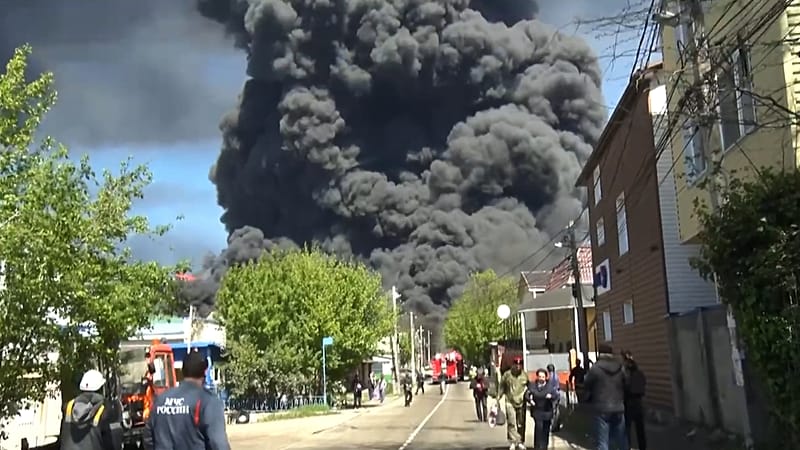
POLICY WIRE — Moscow, Russia — For a nation that projects an unshakeable facade of strength, even minor cracks can feel like a seismic event. Vladimir Putin, architect of Russia’s recent military escapades, recently conceded what analysts—and Kyiv’s drone operators—have known for weeks: Russia’s energy machine is sputtering. The strongman’s acknowledgment of an ‘oil deficit’ and ‘adjusted’ fuel plans isn’t a slip of the tongue; it’s a telling signal that Ukraine’s persistent, long-range strikes are hitting home, literally. Hard. Really hard.
It wasn’t an official state address, mind you, or some dramatic press conference. No, the admission emerged, almost casually, during a meeting with officials, buried in talk about stabilizing fuel markets. The context, of course, was Russia’s response to an increasing flurry of Ukrainian drone attacks on its extensive, though vulnerable, refining infrastructure. It’s an escalating shadow war that has the Kremlin scrambling to reroute supplies and, it appears, reconsidering just how impervious its vast energy complex truly is. But they’ve gotta play it cool, haven’t they?
The numbers don’t lie, or at least they try very hard not to. Recent independent energy assessments suggest that up to 14% of Russia’s refining capacity has been taken offline or significantly impaired by these aerial assaults since early this year, according to analysis by the Kyiv School of Economics. That’s not pocket change; it’s a substantial chunk. It impacts domestic supply, yes, but also has uncomfortable implications for their much-vaunted export revenues. Russia relies heavily on refining its crude into higher-value products like gasoline and diesel before shipping it to global markets. Now, they’re left with fewer facilities to do that work. It’s inconvenient. Awkward, even. And that hits the wallet.
Russian President Vladimir Putin, ever the pragmatist when reality bites, downplayed the situation publicly. “Look, we’re simply adjusting our logistics. It’s a temporary inconvenience, nothing more,” he stated, his voice even, carefully modulated for consumption both at home and abroad. “Russia’s energy independence remains unquestioned, our strategic reserves robust.” A well-worn line, certainly. But sometimes the audience starts checking their watches.
Because the truth is, Moscow’s vast oil and gas empire, while impressive in scale, suffers from an Achilles’ heel: its reliance on an aging, spread-out infrastructure, much of which is within drone range of Ukraine. The attacks aren’t just symbolic; they’re strategic. They force Russia to divert air defense systems from the front lines to protect economic assets hundreds, even thousands, of miles away. It’s a costly diversion. Kyiv’s silent reach has certainly escalated Moscow’s industrial vulnerability, leaving them few good options. Ukraine isn’t just fighting a land war, they’re engaging in economic sabotage, with surprising effectiveness.
And then there’s the broader global implication. The disruption to Russian refined products inevitably tightens world supply, even incrementally. For countries like Pakistan, already navigating turbulent economic waters and sensitive to every twitch in international energy prices, this isn’t just Kremlin gossip. Higher global crude and refined product prices translate directly into increased import bills, exacerbating inflation and putting more pressure on already stretched state coffers. Pakistan, a net energy importer, doesn’t need more volatility; nobody does. This whole situation just creates more bad vibes for a global economy that’s already on shaky ground. Think about how fragile supply chains truly are. From Europe to the Persian Gulf, everyone feels it.
📄 POLICY WIRE WHITEPAPER PUBLISHED: PAKISTAN'S NATIONAL SECURITY POLICY PRIORITIES
👉 READ BY CLICKING HEREThe impact goes beyond just crude. Refining is complex, specialized. You can’t just move crude around — and expect immediate solutions. Russia faces an unenviable choice: keep exporting unrefined crude at lower profit margins or gamble on its domestic refinery capacity—which seems to be a moving target for Ukrainian drones. It’s a messy conundrum for an aspiring energy superpower. And, frankly, it’s not looking pretty for their image. Or their war efforts. What were they thinking?
“Each hit deepens the Kremlin’s vulnerability. They can’t export oil if they can’t refine it. This isn’t just about fuel, it’s about their war chest,” retorted Mykhailo Podolyak, an adviser to Ukraine’s President Zelenskyy, his statement sharp and to the point. His words weren’t just bravado; they encapsulated a painful truth Moscow is now forced to contend with. Kyiv isn’t interested in a fair fight, it’s interested in making the cost of war unbearable for Russia.
What This Means
This subtle, yet stark, admission from Putin signals a strategic victory for Ukraine in a largely overlooked front of the conflict. Economically, it suggests increased pressure on Russian state revenues, which directly fund its military campaign. Reduced refinery throughput means either less valuable exports (crude vs. refined products) or greater reliance on partners (like China or India) to refine its oil, potentially shifting geopolitical leverage. For global markets, it means continued volatility, particularly for refined petroleum products, impacting prices for consumers and businesses worldwide. Politically, it erodes the Kremlin’s narrative of untouchable resilience, demonstrating that its war machine, and its domestic economy, possess exploitable weaknesses. It forces Moscow to commit resources to defense far from the front lines. The strikes don’t end the war, sure. But they make Russia’s ability to wage it far more expensive, far more complex, and frankly, a whole lot harder to swallow.