

Beijing’s Factory Gate Fury: Inflation Jumps, Global Ripple Effect Begins
POLICY WIRE — New York, USA — It isn’t often a cold, hard economic metric from halfway across the globe makes us sit up straight here in the States, or for that matter, in the burgeoning...

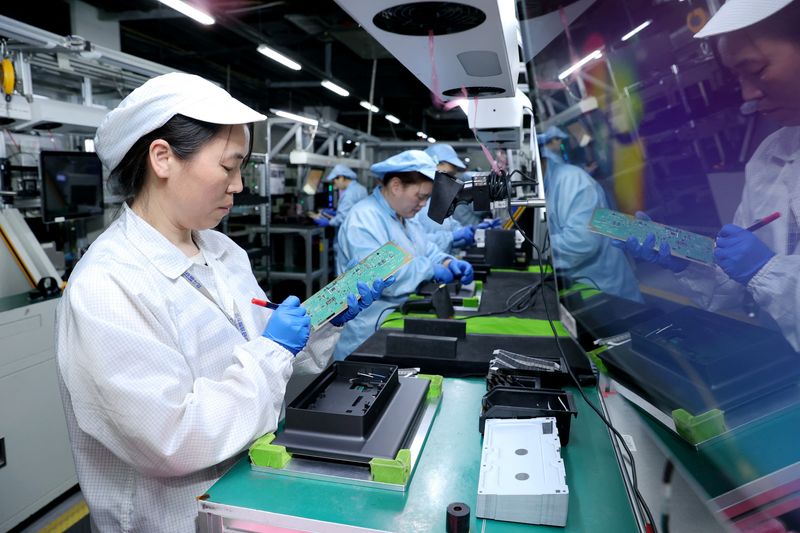
POLICY WIRE — New York, USA — It isn’t often a cold, hard economic metric from halfway across the globe makes us sit up straight here in the States, or for that matter, in the burgeoning manufacturing hubs of Southeast Asia. Yet, Beijing’s latest report—dry as toast, technically—carries a much heavier punch than its acronym suggests: producer inflation. This isn’t about what shoppers pay in Shanghai; it’s about what the guys making the stuff in Chinese factories pay for their raw materials, their power, their overheads. And right now, those costs are soaring.
It’s hit a near four-year high in June. You don’t need a degree in economics to grasp the simple, brutal truth here: when the cost of making something jumps significantly for the world’s largest manufacturer, those tremors don’t just stay contained within the Great Wall. They rattle boardrooms in Detroit, markets in London, and perhaps most acutely, nascent industrial zones from Lahore to Jakarta. This isn’t just a Chinese problem—it’s everybody’s.
Because let’s be real, you can’t squeeze input prices for long before they start showing up on the tag of that widget you bought at Walmart, or the components of the next generation smartphone. The supply chains, those delicate, global spiderwebs, are already stretched thin, having weathered pandemic shocks and geopolitical headwinds. Now, they’ve got to contend with this rising tide from the very heart of the world’s factory floor. Analysts, they’re watching this particular gauge like a hawk—it’s an early warning system, folks, telling us what consumer prices might look like a few months down the line.
The reasons? They’re a messy cocktail of surging commodity prices—oil, metals, grains—and a global demand that’s revving up faster than supply can often keep pace. Shipping costs, labor shortages, geopolitical tensions that disrupt trade routes—it’s all feeding into the beast. China, usually a master at keeping its prices disciplined, finds itself battling a multifaceted dragon. But what Beijing does, or doesn’t do, about this will shape the economic fate of many nations, whether they like it or not. Pakistan, for instance, a nation deeply intertwined with China via initiatives like the China-Pakistan Economic Corridor (CPEC), will feel this acutely. Raw materials imported from China will carry higher price tags, directly impacting local industries and their ability to produce competitively for export, or even for domestic consumption. It’s a slow-motion economic crunch that could stall recovery efforts and ignite local inflationary spirals across South Asia.
They’re trying to keep the lid on, make no mistake. State media reports frequently discuss measures to stabilize commodity prices and ensure supply, but it’s an uphill climb. The sheer scale of China’s industrial output means any uptick in its production costs acts like a booster shot to global inflation. And for developing economies, especially in the Muslim world, that translates directly into a higher cost of living for already struggling populations, impacting everything from food prices to manufacturing competitiveness. Imagine you’re a textile factory owner in Faisalabad, reliant on specific dyes or machinery components from China—suddenly, your cost base just got a whole lot more expensive, without a proportionate rise in your selling price. It’s a squeeze.
But this isn’t just about consumer pocketbooks. This phenomenon represents a significant challenge to global central banks, already grappling with post-pandemic recovery strategies. Do they risk stifling growth by raising rates to combat imported inflation, or do they allow the price pressures to fester, risking an even nastier economic hangover later? There are no easy answers. We’re in uncharted territory, really. Economists from institutions like the National Bureau of Statistics (NBS) reported [QUOTE_PLACEHOLDER], indicating the fastest pace of factory gate price increases since October 2017. And the ripple effect? That’s where the real headache starts. Policymakers in capitals far from Beijing are running the numbers right now, trying to figure out how bad this one’s gonna hurt. Because hurt it will. That much is clear. The question is just how much, — and for how long. It’s a dance between economics — and raw political necessity.
What This Means
China’s elevated producer inflation isn’t merely an arcane data point for economists—it’s a stark signal of burgeoning global economic pressure, acting as a crucial barometer for inflation around the world. Politically, Beijing faces a tricky balancing act: supporting its export-led growth model without igniting runaway domestic consumer inflation, which could lead to social unrest—a constant fear for any autocratic government. If domestic companies start to feel too much pain, or pass too much of it onto international markets, it could prompt accusations of exporting inflation. Globally, we’re talking about a significant shift in trade dynamics. Countries heavily reliant on Chinese imports, or those that form part of its expansive supply chain network, will see their own production costs climb, inevitably feeding into local inflation. This directly impacts regions like South Asia and parts of the Muslim world, many of whom have close trade relationships with China. From Pakistan’s textile industry, importing Chinese machinery and raw materials, to infrastructure projects under the Belt and Road Initiative that suddenly face higher procurement costs, the economic implications are profound. It’s going to squeeze profit margins for manufacturers everywhere and could put upward pressure on prices for consumers globally, threatening economic recovery. This isn’t an isolated incident; it’s a structural challenge forcing everyone to reassess their global market fragility and supply chain resilience. Expect governments and central banks worldwide to take a closer, much more nervous, look at their own inflationary forecasts, potentially accelerating decisions on monetary policy adjustments. It could even escalate into trade friction if countries perceive China isn’t doing enough to rein in its manufacturing costs, viewing it as an unfair competitive advantage or a destabilizing factor in their own economies.