

Istanbul’s Stark Diplomacy: Erdoğan’s Firearm Handshakes Jolt Alliance Norms
POLICY WIRE — Istanbul, Turkey — In the often-staid world of international diplomacy, where bespoke stationery or regional delicacies typically suffice as tokens of goodwill, some gestures demand a...

POLICY WIRE — Istanbul, Turkey — In the often-staid world of international diplomacy, where bespoke stationery or regional delicacies typically suffice as tokens of goodwill, some gestures demand a closer look. A rather blunt exchange recently unfolded, pulling more than a few eyebrows north. Rather than engraved pens or artisanal tea sets, Turkish President Recep Tayyip Erdoğan apparently opted for something a touch more… assertive. Pistols.
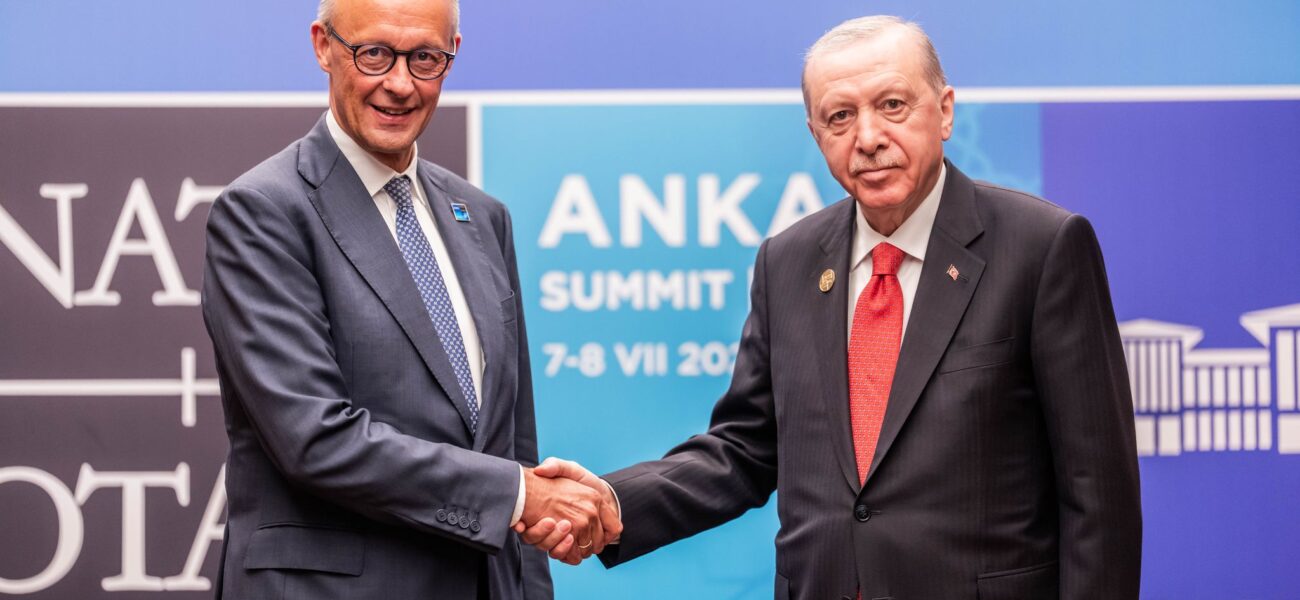
It’s an image that practically writes itself: NATO leaders, including Germany’s Friedrich Merz, receiving finely crafted handguns. You’ve gotta wonder about the unpacking moment, right? What exactly does one say? And how do you fit that into the diplomatic pouch? [QUOTE_PLACEHOLDER]
This wasn’t some backroom arms deal. This was, by all accounts, a formal presentation. For those familiar with Erdoğan’s sometimes unorthodox approach to statecraft, it might not come as an absolute shock. But still. Firearms are usually exchanged in very specific military-to-military contexts, not as general diplomatic gifts between allied heads of state. The move subtly — or not-so-subtly — reframes the nature of the relationship, doesn’t it? It suggests a different kind of ‘pact,’ a more hard-nosed understanding of power — and protection.
And it’s not like Turkey’s been quiet about its growing self-sufficiency in defense. In fact, Turkey’s defense and aerospace exports soared by nearly 27% in 2023, reaching a record high of 5.5 billion U.S. dollars, according to figures released by the Turkish Exporters’ Assembly. That’s a significant leap, reflecting an ambition to be more than just a consumer of military hardware. They’re becoming a formidable producer.
This gesture, therefore, carries weight beyond its face value. It speaks to a Turkey increasingly confident on the global stage, charting its own course, sometimes diverging sharply from Western expectations. For leaders in allied nations, accustomed to the subtle language of diplomacy, a pistol is about as subtle as a flare gun. It screams a message. What exactly that message is, however, remains open to interpretation, probably deliberately so.
You can bet Merz didn’t just add it to his mantlepiece. Imagine the security protocols involved, the press inquiries, the diplomatic cable traffic. Because the world is watching these signals. Pakistan, for instance, a nation with its own deep-seated strategic imperatives and often-complex relationship with military power, would observe such an exchange through a different lens. They’re a key partner for Turkey in various defense ventures, a significant Muslim-majority nation eyeing Turkey’s indigenous defense capabilities. The message of self-reliance, backed by concrete products, resonates deeply within the wider Muslim world, many of whom have felt the squeeze of reliance on external military suppliers. And this move by Erdoğan certainly strengthens Ankara’s perceived standing as a strong, independent actor within that global community, possibly even overshadowing concerns about geopolitical realpolitik elsewhere.
📄 POLICY WIRE WHITEPAPER PUBLISHED: PAKISTAN'S NATIONAL SECURITY POLICY PRIORITIES
👉 READ BY CLICKING HEREBut the ramifications for the NATO alliance itself are something else entirely. It’s an alliance founded on collective defense, not necessarily collective armaments gifted at summits. It forces a momentary reconsideration of diplomatic norms. How do you reciprocate? Do you send back an F-16? It’s not a tennis racket. It’s a firearm— a tool with a single, potent purpose.
But this isn’t just about the symbolism of the pistol; it’s about the context of the gifting. Is it a sign of trust, a symbol of shared responsibility for security, or a pointed reminder of Turkey’s capacity and readiness? Whatever the intent, it’s a conversation starter. One can only imagine the huddles between aides — and legal teams on what to do with the gift. Protocol. Oh, the protocol. This probably didn’t help with their headaches.
What This Means
Erdoğan’s highly unusual diplomatic move isn’t simply an eccentricity; it’s a calculated, multifaceted signal. Politically, it projects Turkish strength and independence at a moment when Ankara has frequently challenged NATO consensus, especially concerning Sweden’s accession and regional issues. It tells allies that Turkey is a serious, self-sufficient partner, capable of defending itself and contributing meaningfully, perhaps on its own terms, to alliance security. Economically, it subtly champions Turkey’s booming defense industry, showcasing its locally manufactured products on the highest diplomatic stage. This ties into a broader strategy of increasing exports and reducing reliance on foreign suppliers, bolstering the nation’s economic sovereignty.
From a regional perspective, it further solidifies Turkey’s image among fellow Muslim-majority countries as a power capable of standing shoulder-to-shoulder with — or perhaps even slightly apart from — traditional Western allies. For states like Pakistan, consistently seeking stronger defense ties and technological transfer from Ankara, this public display of Turkish defense manufacturing is a potent affirmation of shared ambitions. It serves to differentiate Turkey within the alliance, highlighting its unique blend of Western alliance membership and distinct cultural, historical, and strategic ties to the Middle East and South Asia. It’s a statement: Turkey is a NATO member, yes, but it marches to its own drum, even when presenting gifts.
Ultimately, these pistols are more than just gifts; they’re props in a broader geopolitical narrative that Erdoğan is actively writing. They force other NATO members, including those engaged in their own military expansions like Germany’s maritime gambit, to reassess Turkey’s position and the kind of influence it seeks to wield within the alliance and beyond. It’s certainly got everyone talking, hasn’t it? Just perhaps not about the usual niceties of summit diplomacy.
📖 GET YOUR FREE COPY NOW OF POLICY WIRE DIGITAL MAGAZINE JULY 2026 EDITION
👉 READ & DOWNLOAD FREE MAGAZINE