

Velocity and Disillusion: Max Verstappen’s Grand Revolt
POLICY WIRE — Northampton, England — It wasn’t the broken rear wing at Silverstone that truly rattled the foundations of Formula 1; it was the quiet fury behind Max Verstappen’s eyes, a...

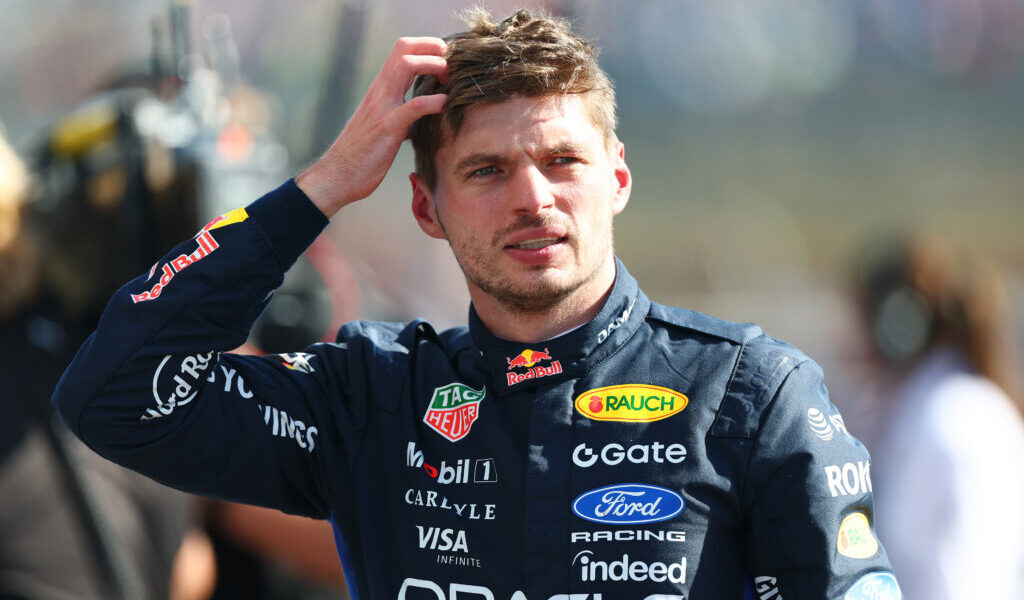
POLICY WIRE — Northampton, England — It wasn’t the broken rear wing at Silverstone that truly rattled the foundations of Formula 1; it was the quiet fury behind Max Verstappen’s eyes, a simmering resentment laid bare. Spectators, a sea of orange in the British sun, probably saw just another mechanical failure for the Red Bull ace, another cruel twist of fate on a weekend he never really gelled with. But for those watching closely, those who understand the delicate ballet between machine and master, it felt more like a public breaking point. The Dutchman isn’t just annoyed; he’s disillusioned, and that, my friends, shakes up more than just the Constructors’ Championship.
It’s always been a high-octane spectacle, F1. But underneath the glamour, it’s a cutthroat business, an industry where millions, even billions, ride on the performance of a handful of drivers. And when the fastest man on the grid starts openly questioning the very nature of the beast—the hybrid engines, the complex energy recovery systems, the regulations that he feels strip away raw, unadulterated racing prowess—it’s not just a driver grumbling. It’s an economic bellwether. Verstappen doesn’t want to manage batteries; he wants to tame the wild. He craves overtakes born of pure guts, not algorithms. That’s a fundamental disconnect, isn’t it?
The latest debacle? A DNF at the British Grand Prix, a rare sight for a driver often described as a cyborg for his consistency. That failing wing? It just crystallized a growing frustration. The ‘contract clause’ that’s now activated, allowing him to jump ship because he can’t finish in the top two of the Drivers’ Championship, is a pretty neat trick, actually. It’s less a legal technicality — and more a clear signal: I’m done. “It’s like pulling teeth some weekends, isn’t it?” a clearly downbeat Verstappen grumbled after the race. “You give everything, — and the car… it just decides no. That’s a tough pill to swallow when you’re pushing the limits, physically and mentally.” You can practically feel the grit in his voice.
And let’s be frank, it’s not just about one bad race. It’s about a sport grappling with its identity. Verstappen’s vocal disdain for current regulations — ones that often make race management feel more like an economics seminar than a gladiatorial contest — resonates. He’s essentially saying, ‘This isn’t the F1 I signed up for.’ It’s a rebellion from within, a demand for sport over spreadsheet. Because sometimes, even immense talent can’t compensate for a machine that simply doesn’t feel right.
But where does a reigning champion, arguably the fastest human behind the wheel, go? The options seem limited to the hallowed halls of Ferrari, McLaren, or Mercedes. And each choice has its own brand of drama. Mercedes, with its strong driver lineup, would be a chess move. Ferrari has Charles Leclerc, but they’ve seen their fair share of raw nerves of class and etiquette with star drivers before. McLaren? They’re built on young blood. Nobody wants to be seen kicking out an heir apparent just to land another titan, do they?
📄 POLICY WIRE WHITEPAPER PUBLISHED: PAKISTAN'S NATIONAL SECURITY POLICY PRIORITIES
👉 READ BY CLICKING HERE“Max is a force of nature, always has been,” Mercedes Team Principal Toto Wolff was heard to remark recently, playing his cards close to his chest but leaving just enough space for speculation. “Any team would be foolish not to consider a talent like that, especially when someone feels their drive isn’t quite aligned with the machinery anymore.” That’s a textbook non-denial, right there.
It’s not just F1 management biting their nails. The economics of this are astounding. The average F1 team valuation shot up over 200% in the last five years, according to Forbes, sitting comfortably above $1.8 billion each. Max Verstappen’s market value is a chunk of that. This isn’t just a sport; it’s a global phenomenon, attracting state-backed sponsorships and vast investment from markets like the Middle East. Consider how F1’s reach is expanding into regions where national pride often ties directly to these global spectacles. An unstable driver market, especially involving a marquee name like Verstappen, sends jitters through those financial ecosystems.
And the whispers? They suggest that while the regulations are designed for sustainability and broader competition, the current iteration simply doesn’t light up every driver. Sources close to the FIA, speaking off-record, maintain that “The regulations are what they’re. We’re balancing competition with sustainability — and innovation. Drivers adapt. Or they don’t. That’s the game, isn’t it?” That’s the official line, yes. But the unofficial line? Drivers like Verstappen are commodities, incredibly valuable, but commodities nonetheless, expected to perform within the given parameters.
What This Means
Verstappen’s looming decision isn’t merely about one driver’s career trajectory; it’s a mirror held up to the increasing tension between individual genius and corporate control within elite sports. His dissatisfaction signals a potential crack in the polished façade of F1’s future, a future driven by data and hybrid efficiency, which sometimes leaves human instinct by the wayside. If a driver of his caliber can’t find satisfaction, what message does that send to upcoming talents — and, critically, to sponsors and fans in lucrative emerging markets who seek raw, unadulterated heroism? It’s a fundamental question of authenticity versus engineered perfection. Politically, the narrative shifts from individual prowess to collective brand image. And economically, it forces a recalculation of how much power a singular, exceptional talent holds when up against a billion-dollar, globally entrenched enterprise. This kind of unrest could force F1 to re-evaluate the very regulations designed to make the sport ‘better,’ because ultimately, without compelling characters pushing the absolute limits, the audience, and the investment, will inevitably follow the stars to where they shine brightest. And that makes everybody a little bit nervous. Because when the biggest star threatens to walk, everyone listens. And they don’t forget easily.
📖 GET YOUR FREE COPY NOW OF POLICY WIRE DIGITAL MAGAZINE JULY 2026 EDITION
👉 READ & DOWNLOAD FREE MAGAZINE